
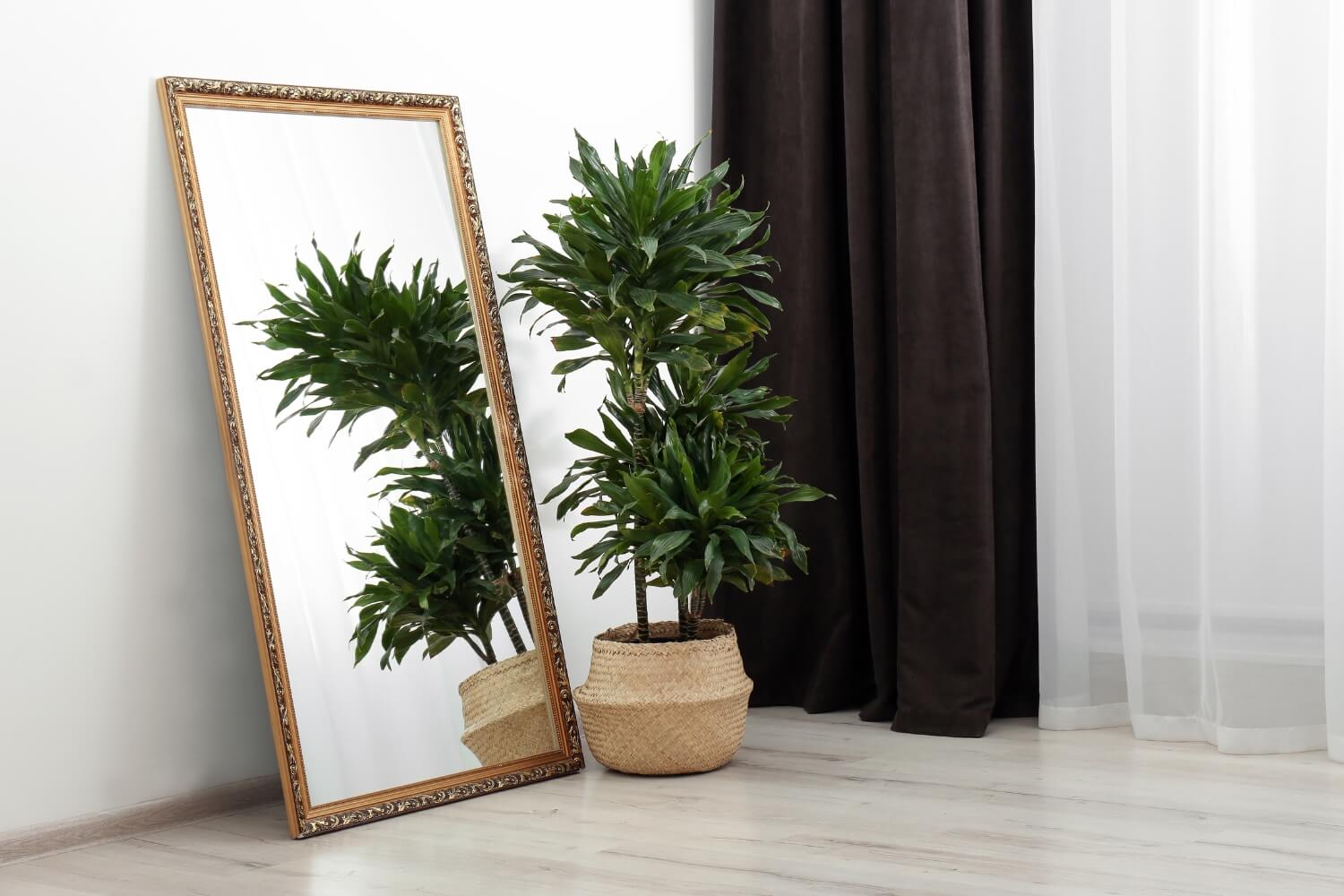
Dracaena plants offer a striking tropical presence and easy care, making them well-suited for a variety of indoor environments. Native to tropical and subtropical regions of Africa, Asia, and Central America, dracaenas are members of the Asparagaceae family. Their distinctive, sword-like leaves exhibit a range of colors and patterns. Popular choices include Dracaena marginata, Dracaena fragrans, and Dracaena sanderiana (often referred to as “lucky bamboo”).
These plants are known for their slow growth habits, typically reaching heights of 3 to 6 feet indoors (though some varieties may grow taller). Their leaves form rosettes atop sturdy stems, lending them an attractive, tree-like appearance. As an added benefit, dracaenas contribute to improved indoor air quality by filtering out toxins such as formaldehyde and benzene.
| Scientific Name | Dracaena species |
| Common Names | Dragon Tree, Corn Plant, Lucky Bamboo |
| Origin | Africa, Southern Asia, Northern Australia |
| Plant Family | Asparagaceae |
| Plant Type | Evergreen, perennial |
| Growth Habit | Shrub or tree-like |
| Hardiness Zones | USDA 10-12 |
| Soil Type & pH | Well-draining, slightly acidic to neutral (6.0-7.0) |
| Sunlight | Bright, indirect light |
| Toxicity | Toxic to pets (cats and dogs) |
| Mature Size | Varies by species, 1-10 feet tall |
Growing Dracaena
Dracaena plants thrive in bright, indirect light, making them ideal for indoor growth. They can tolerate some low-light conditions but may become leggy if light is insufficient. Avoid placing them in direct sunlight, as this can scorch their leaves.
The best time to plant Dracaena is during the spring or summer when the plant is actively growing. Choose a well-draining potting mix and a container with drainage holes to prevent root rot. Water the plant thoroughly after planting and place it in a warm, bright location.

How to Care for Dracaena
Sunlight
Dracaenas favor bright, indirect light for optimal growth. While they tolerate a bit of shade, you’ll get lusher growth and more vibrant foliage with ample indirect light. Rotate your plant regularly, this encourages even growth and keeps it from reaching too much toward its light source.
Temperature & Humidity
Think warm and slightly humid for your Dracaena. Ideal temperatures range from 60-80°F (15-27°C). If your home is a bit dry, give your plant a boost by misting the leaves or setting it near a pebble tray filled with water. Keep your Dracaena away from cold drafts and blasting air conditioning – those can stress the leaves.
Watering Needs
Let the top inch of soil dry out before giving your Dracaena a good drink. These plants dislike soggy roots, so make sure your pot has drainage holes and avoid letting it sit in water. For the healthiest plant possible, use filtered, distilled, or rainwater, as Dracaenas are sensitive to some chemicals found in tap water.
Soil & Compost
Opt for a well-draining potting mix. Adding materials like perlite, vermiculite, or sand promotes good drainage. A simple mix of equal parts peat moss, perlite, and potting soil works wonders. Steer clear of heavy, clay-based soils that hold too much water.
Fertilizer
Give your Dracaena a nutritional boost with a balanced, water-soluble fertilizer once a month during the spring, summer, and fall. Diluting it to half-strength protects the roots. Let your plant rest during the winter when its growth slows.
How to Prune Dracaena
Pruning your Dracaena is essential for maintaining its shape and encouraging healthy growth. Use clean, sharp pruning shears to remove any dead, damaged, or yellowing leaves at the base of the plant. If your Dracaena becomes too tall, you can cut back the main stem to the desired height. New growth will emerge from just below the cut, creating a bushier appearance.
Types of Dracaena
There are many beautiful varieties of dracaena to choose from, each with its own unique characteristics:
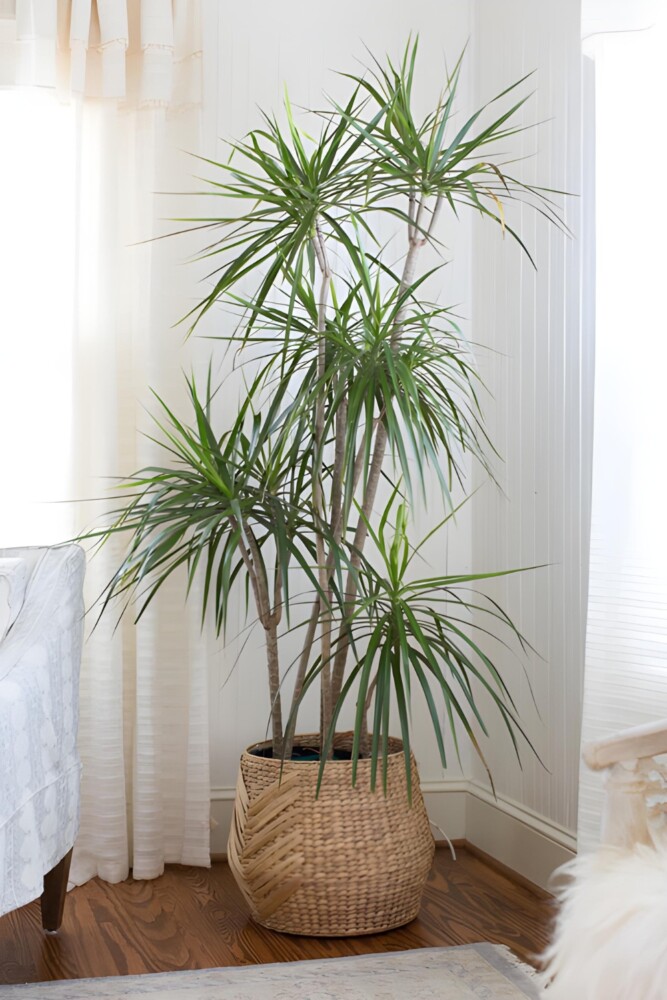
- Dragon Tree (Dracaena marginata) – Known for its slender stems and thin, arching leaves with red edges.
- Corn Plant (Dracaena fragrans) – Features broad, glossy green leaves and can grow up to 6 feet tall indoors.
- Lucky Bamboo (Dracaena sanderiana) – Not a true bamboo, but its stalks resemble bamboo canes. Often grown in water.
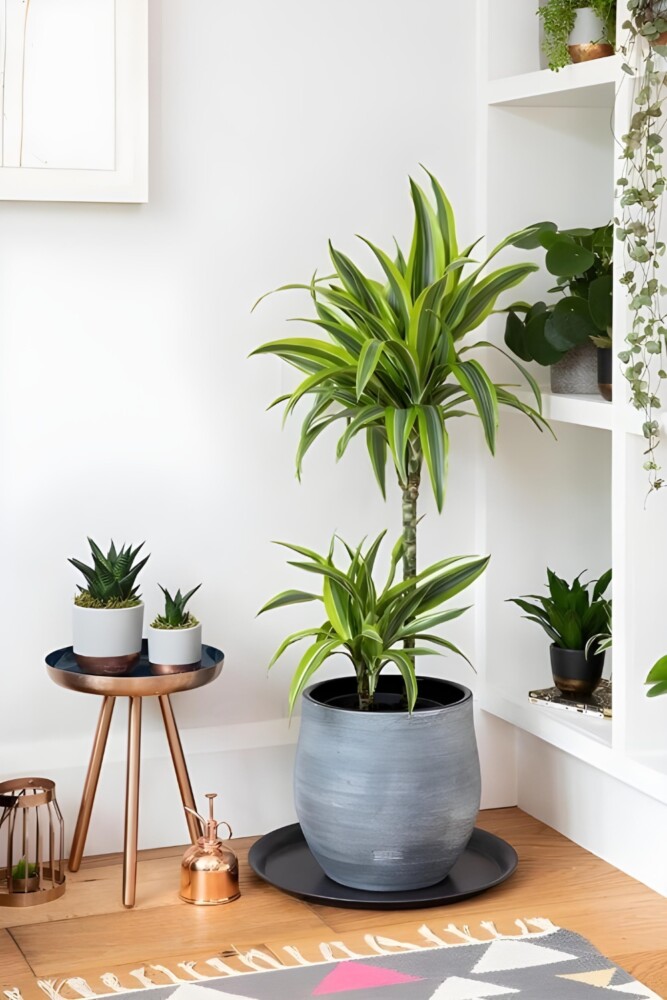
- Song of India (Dracaena reflexa) – Has narrow, dark green leaves with yellow stripes along the edges.
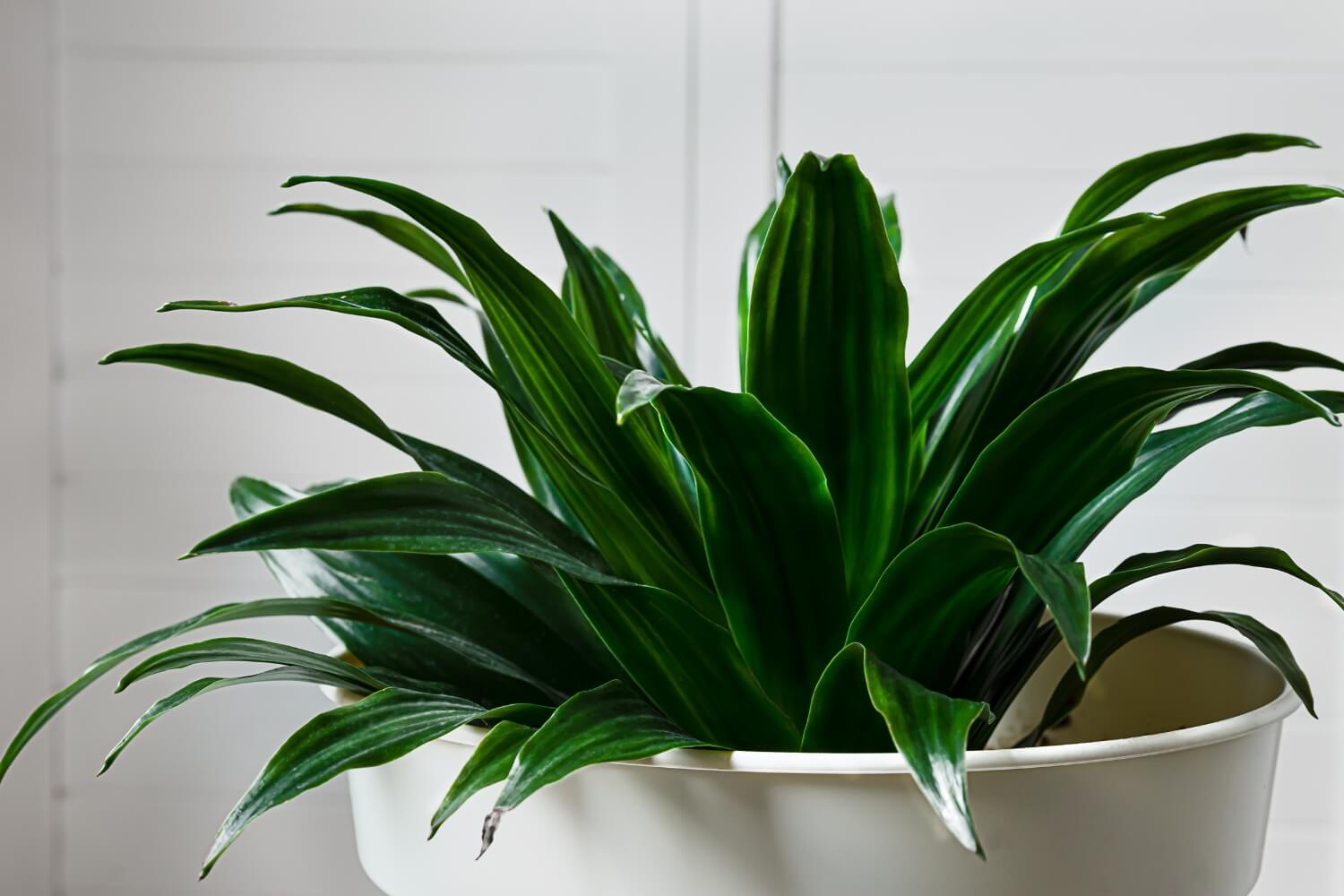
- Janet Craig (Dracaena deremensis) – Boasts wide, glossy green leaves and is highly adaptable to various light conditions.
How to Propagate Dracaena
Dracaena plants can be easily propagated through stem cuttings, here’s how to do it:
- Cut a 6-8 inch section of the main stem, ensuring it has at least 2-3 leaf nodes.
- Remove the lower leaves, leaving only the top cluster of leaves intact.
- Dip the cut end in rooting hormone (optional) and place it in a container filled with moist, well-draining potting mix.
- Keep the soil moist but not soggy and place the container in a warm, bright location.
- Roots should develop within 4-6 weeks, and new growth will emerge from the top of the cutting.
Alternatively, you can propagate Dracaena using the air layering method or by placing stem cuttings directly in water until roots form.
Common Problems with Dracaena
Pests and Diseases
While dracaena plants are relatively pest-free, they can occasionally be bothered by mealybugs, scale insects, spider mites, thrips, and fungus gnats. These pests can cause yellowing leaves, stunted growth, and a general decline in plant health.
To control pests, start by removing any heavily infested leaves and stems. Then, wash your plant with a strong stream of water or wipe the leaves with a cloth dipped in soapy water. For persistent infestations, use an insecticidal soap or neem oil, following the product instructions carefully.
Dracaena plants are also susceptible to fungal diseases like fusarium leaf spot and root rot, which are often caused by overwatering or poor drainage. Symptoms include brown spots on the leaves, yellowing foliage, and mushy, brown roots. To prevent these issues, ensure your plant has well-draining soil and avoid overwatering
Brown Leaf Tips
Dracaena plants are sensitive to fluoride and other chemicals found in tap water, which can cause brown tips on the leaves. To prevent this, use filtered, distilled, or rainwater for watering. Brown tips can also be caused by underwatering, low humidity, or exposure to cold drafts.
Yellow Leaves
Yellowing leaves can be a sign of overwatering, poor drainage, or insufficient light. Ensure the plant is not sitting in standing water and provide bright, indirect light. Yellow leaves can also indicate a nutrient deficiency, in which case, feed the plant with a balanced fertilizer.
Leggy Growth
If your Dracaena plant becomes leggy or stretched out, it may not be receiving enough light. Move the plant to a brighter location or closer to a window with indirect light. Pruning the stem can also encourage fuller, bushier growth.
FAQ
Yes, dracaena is an excellent indoor plant. It’s low-maintenance, tolerant of a wide range of conditions, and helps purify the air. Plus, its striking foliage adds a tropical touch to any room.
Dracaena is generally a happy, easygoing plant as long as its basic needs are met. It doesn’t require a lot of fussing or special care, making it a great choice for beginners or anyone who wants a low-maintenance houseplant.
No, Dracaena plants cannot be propagated from leaf cuttings. Instead, use stem cuttings to create new plants.
No, Dracaena plants are toxic to pets if ingested. Keep them out of reach of cats and dogs to avoid any potential health issues.
