
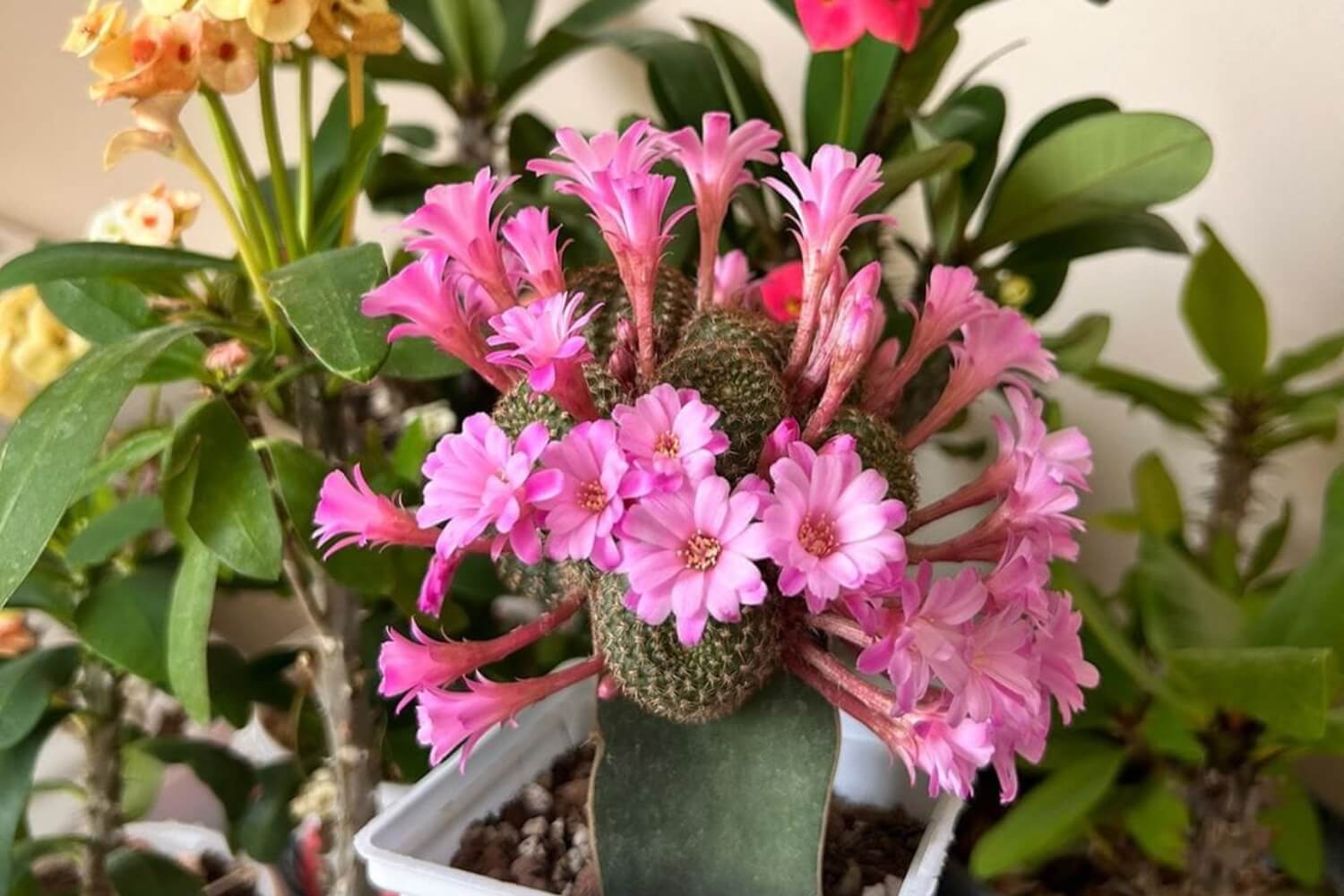
Indoor cacti have surged in popularity as houseplants, prized for their distinctive shapes and minimal care requirements. These desert natives adapt well to various indoor environments, adding a unique aesthetic to home decor. Their resilience and low-maintenance nature make them an attractive choice for modern interiors, offering a stylish and sustainable way to incorporate greenery into living spaces.
Cacti are succulents belonging to the family Cactaceae, characterized by their fleshy stems adapted to store water. These remarkable plants have evolved to survive in arid conditions, developing specialized features like spines, which are modified leaves that help reduce water loss and protect the plant from predators. Indoor cacti come in a wide variety of shapes and sizes, from small, round globular forms to tall, columnar species and even trailing varieties perfect for hanging baskets.
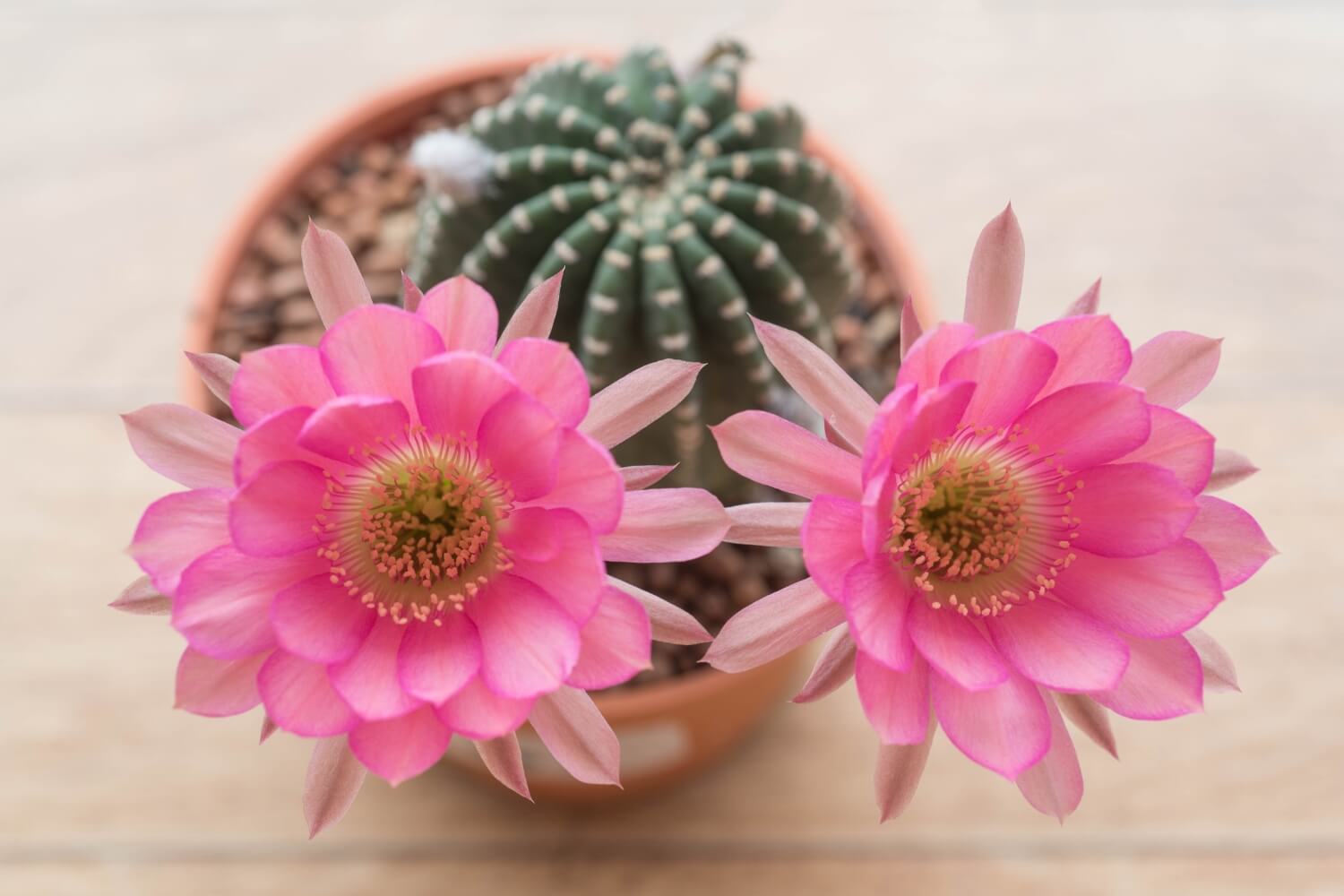
The stems of cacti, often referred to as pads or segments, are typically green and perform photosynthesis in place of leaves. Many species produce vibrant flowers in shades of pink, yellow, red, or white, adding a burst of color to their otherwise minimalist appearance. Some cacti also bear edible fruits, like the popular prickly pear.
| SCIENTIFIC NAME | Various (e.g., Mammillaria, Opuntia, Echinopsis) |
| COMMON NAME | Cactus |
| PLANT FAMILY | Cactaceae |
| PLANT TYPE | Succulent, perennial |
| GROWTH HABIT | Slow-growing, upright or spreading |
| HARDINESS ZONES | USDA 9-11 (as outdoor plants) |
| SOIL TYPE & PH | Well-draining cactus mix |
| SUNLIGHT | Bright, direct light |
| TOXICITY | Generally non-toxic, but spines may cause injury |
| MATURE SIZE | Varies (1 inch to several feet tall) |
| BLOOM TIME | Species-dependent, typically spring to summer |
Indoor Cactus Varieties
There’s a wide array of cactus species suitable for indoor cultivation. Some popular varieties include:
- Moon Cactus (Gymnocalycium mihanovichii) – A colorful, grafted cactus with a vibrant top portion in shades of red, yellow, or orange.
- Christmas Cactus (Schlumbergera) – Known for its flat, segmented stems and stunning flowers that bloom around the holiday season.
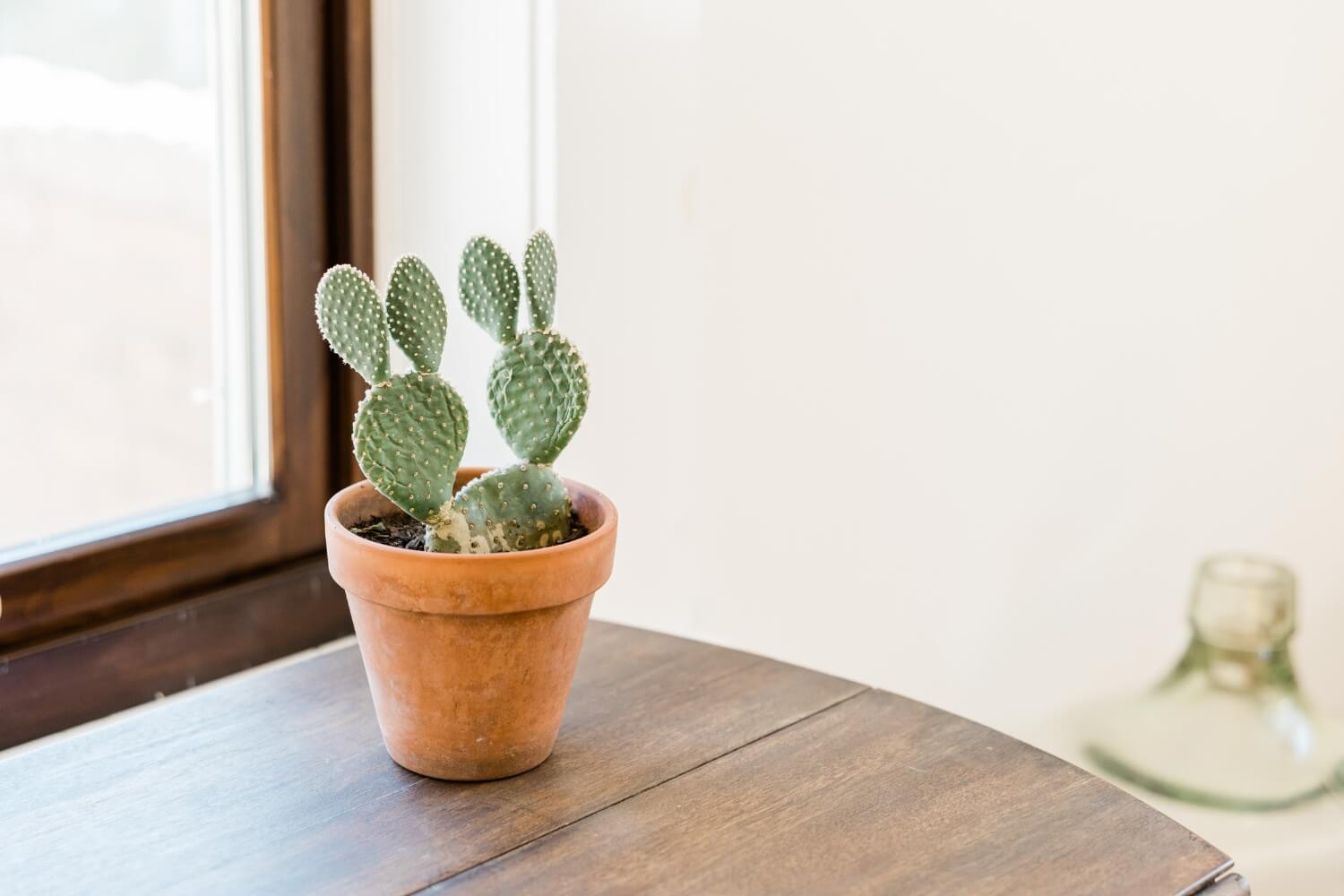
- Bunny Ears Cactus (Opuntia microdasys) – Featuring flat, oval pads covered in clusters of tiny, hairlike spines.
- Old Lady Cactus (Mammillaria hahniana) – Recognizable by its globe shape and covering of soft, white hair-like spines.
- Saguaro Cactus (Carnegiea gigantea) – While typically an outdoor desert plant, dwarf varieties can be grown indoors.
Caring for Indoor Cacti
Caring for indoor cacti is relatively straightforward, but understanding their unique needs is crucial for their long-term health and vitality.
Light Conditions
Cacti thrive in bright, direct light. Place them near a south-facing window where they can receive at least 4-6 hours of direct sunlight daily. If natural light is limited, supplement with grow lights to ensure they receive adequate illumination. However, be cautious of scorching, especially when introducing a new plant to direct sunlight. Gradually increase exposure to prevent damage.
Temperature & Humidity
Most cacti prefer warm temperatures between 70-80°F (21-27°C) during the day and slightly cooler at night. They can tolerate brief periods of colder temperatures but should be protected from frost. In terms of humidity, cacti are well-adapted to dry conditions and don’t require high humidity levels. Normal indoor humidity is typically sufficient, but ensure good air circulation to prevent fungal issues.
Watering Needs
Proper watering is crucial for cactus health. The golden rule is to water thoroughly but infrequently. Allow the soil to dry out completely between waterings. During the growing season (spring and summer), water every 1-2 weeks. In fall and winter, reduce watering to once every 3-4 weeks or when the plant shows signs of slight shriveling. Always use room temperature water and avoid getting water on the plant’s body to prevent rot.
Soil & Compost
Cacti require well-draining soil to prevent water from sitting around their roots. Use a commercial cactus mix or create your own by combining regular potting soil with coarse sand and perlite in equal parts. This mixture ensures proper drainage while providing the necessary nutrients for growth.
Fertilizer
While cacti are not heavy feeders, they benefit from occasional fertilization during the growing season. Use a balanced, water-soluble fertilizer diluted to half strength once a month from spring to early fall. Avoid fertilizing during the winter months when the plant is dormant.
How to Propagate Indoor Cacti
Propagating cacti is an exciting way to expand your collection or share plants with friends. The most common methods are through offsets, cuttings, or seeds.
Offset Propagation: Many cacti produce small offsets or “pups” around their base. Once these offsets are about 2 inches in diameter, they can be carefully removed and planted in their own pots. Allow the cut surface to callus over for a few days before planting in well-draining cactus soil.
Stem Cutting Propagation: For columnar or padded cacti, take a clean, sharp knife and cut a section of the stem or a pad. Let the cutting dry and form a callus for several days to a week. Once calloused, plant the cutting in slightly moist cactus soil and place in bright, indirect light until roots form.
Seed Propagation: While more challenging and time-consuming, growing cacti from seeds can be rewarding. Sow seeds in a sterile cactus mix, keeping them warm and slightly moist. Germination can take anywhere from a few days to several weeks, depending on the species.

Potting & Repotting Indoor Cacti
Cacti generally prefer to be slightly root-bound and don’t require frequent repotting. Repot your cactus every 2-3 years or when it outgrows its current container. Choose a pot that’s only slightly larger than the current one, as too much excess soil can lead to overwatering issues. Always use a pot with drainage holes to prevent water from accumulating at the bottom.
When repotting, gently remove the cactus from its current pot, being careful of the spines. You can wrap the plant in newspaper or use thick gloves for protection. Shake off excess soil and inspect the roots for any signs of rot or damage. Trim any dead or rotting roots with clean, sharp scissors. Place the cactus in its new pot with fresh cactus soil, ensuring it’s at the same depth as before. Wait a week before watering to allow any damaged roots to heal.
Overwintering
Many cacti enter a period of dormancy during the winter months. During this time, growth slows, and the plant’s water and nutrient needs decrease. To properly overwinter your indoor cacti:
- Reduce watering significantly, allowing the soil to dry out completely between waterings.
- Stop fertilizing until spring.
- Move the plant to a cooler location if possible, ideally between 55-60°F (13-16°C).
- Ensure the plant still receives adequate light, even though its growth has slowed.
- Monitor for pests, which can become more problematic during this period of reduced vigor.
Pruning Cactus
Pruning isn’t typically necessary for most indoor cacti, as they naturally maintain their shape. However, there are instances where pruning can be beneficial:
- Remove dead, damaged, or diseased portions of the plant to maintain its health and appearance.
- Control the size or shape of fast-growing species.
- Encourage branching in some columnar cacti.
When pruning, always use clean, sharp tools to make clean cuts. For larger cacti, a clean knife may be necessary. Allow cut surfaces to callus over before watering to prevent infection. Remember that pruned areas may not regrow, so be cautious and have a clear plan before making any cuts.
Common Problems with Indoor Cacti
While cacti are generally hardy plants, they can still face issues, particularly when their care needs aren’t met. Here are some common problems and how to address them:
Pests and Diseases
Cacti can face a few common issues, such as mealybugs and spider mites. Mealybugs, tiny white and cottony pests, suck sap from the plant. To remove them, use a cotton swab dipped in rubbing alcohol or insecticidal soap. Spider mites cause stippling on the cactus surface, and increasing humidity or treating with neem oil or insecticidal soap can help manage them.
Cacti are also prone to root rot and fungal infections. Root rot, usually from overwatering, requires removing the plant, trimming away rotted roots, and repotting in fresh, dry soil. Fungal infections cause discoloration or soft spots and can be controlled by improving air circulation and reducing watering; severe cases might need a fungicide.
Other Problems
Etiolation: When cacti don’t receive enough light, they may grow tall and spindly, a condition known as etiolation. Gradually move the plant to a brighter location to prevent further stretching.
Sunburn: Cacti can get sunburned if suddenly exposed to intense direct sunlight. This appears as yellow or brown patches on the plant’s surface. Provide some shade during the hottest part of the day and gradually acclimate the plant to more intense light.
Shriveling: If your cactus is shriveling despite regular watering, it may be rootbound or suffering from root damage. Check the roots and repot if necessary.
Lack of Flowering: Some cacti may not flower if they’re not receiving the right balance of light, temperature, and dormancy periods. Research your specific species to understand its flowering requirements.
FAQ
To promote cactus growth, ensure it receives plenty of bright light, water appropriately, and fertilize during the growing season. Some species benefit from a period of cooler temperatures in winter to stimulate growth and flowering in spring.
A healthy cactus should have a firm, plump body with vibrant color. The spines should be intact and not discolored. New growth, whether it’s new segments, pads, or the occasional flower, is also a good sign of health.
The lifespan of a cactus varies greatly depending on the species. Some smaller, fast-growing species may live for 10-20 years, while larger, slower-growing cacti can live for several decades or even centuries in their natural habitats.
Most cacti don’t die after blooming. However, the Saguaro cactus (Carnegiea gigantea) produces flowers only near the end of its life, which can be after 50-100 years. Additionally, some Agave species, often mistaken for cacti, are monocarpic and die after flowering, though this process takes several years.
