

The prickly pear cactus, with its distinctive flat pads and vibrant fruits, is a fascinating addition to any garden or indoor plant collection. This hardy succulent, native to the Americas, has adapted to thrive in harsh desert conditions, making it an excellent choice for gardeners looking for a low-maintenance plant with a unique appearance.
Prickly pear cacti belong to the genus Opuntia and are characterized by their flat, paddle-shaped segments called cladodes or pads. These pads are actually modified stems that carry out photosynthesis. The plant’s name comes from the sharp spines and tiny, hair-like glochids that cover its surface, providing protection from predators in its native habitat.
Despite their intimidating exterior, prickly pear cacti are surprisingly versatile plants. They produce beautiful flowers in shades of yellow, pink, and red, which later develop into edible fruits. Both the pads and fruits are used in various culinary applications, adding to the plant’s appeal.
| SCIENTIFIC NAME | Opuntia spp. |
| COMMON NAME | Prickly pear cactus |
| PLANT FAMILY | Cactaceae |
| PLANT TYPE | Succulent |
| GROWTH HABIT | Spreading, upright |
| HARDINESS ZONES | USDA 4-11 (varies by species) |
| SOIL TYPE & PH | Well-draining, sandy or rocky |
| SUNLIGHT | Full sun |
| TOXICITY | Non-toxic to humans and pets, but spines can cause injury |
| MATURE SIZE | Varies by species, from 6 inches to 15 feet tall |
| BLOOM TIME | Spring to early summer |
Prickly Pear Varieties
While there are numerous species within the Opuntia genus, some popular varieties for cultivation include:
- Opuntia ficus-indica – Also known as the Indian fig opuntia, this variety is widely cultivated for its edible fruits and pads. It’s a large species that can grow up to 16-23 feet tall.
- Opuntia humifusa – The Eastern prickly pear is a cold-hardy species native to eastern North America. It’s a low-growing variety, typically reaching only about 6-12 inches in height.
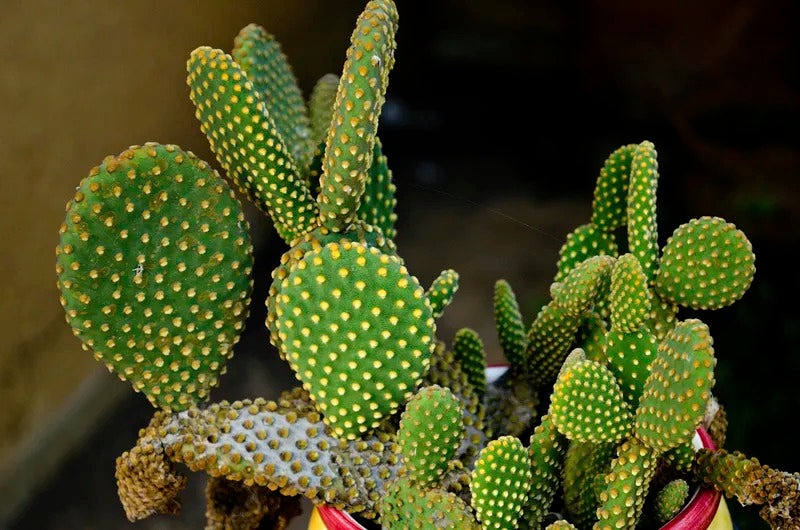
- Opuntia microdasys – Commonly called the bunny ears cactus, this variety is popular as a houseplant due to its compact size and distinctive appearance. It lacks large spines but is covered in numerous glochids.
- Opuntia basilaris – The beavertail cactus is known for its blue-green pads and vibrant pink flowers. It’s a low-growing species, typically reaching about 6-12 inches tall.
Caring for Prickly Pear Cactus
Prickly pear cacti are remarkably resilient plants, but they still require proper care to thrive. Here are the key aspects of prickly pear care:
Light Conditions
Prickly pear cacti are sun-lovers. They require full sun exposure, meaning at least 6 hours of direct sunlight daily. When grown indoors, place them near a south-facing window where they can receive ample light. If the plant doesn’t receive enough light, it may become elongated and weak.
Temperature & Humidity
These cacti are adapted to hot, dry conditions. They prefer temperatures between 70-80°F during the growing season but can tolerate much higher temperatures. In winter, they can survive temperatures down to 14°F, depending on the species. Prickly pears prefer low humidity, making them excellent choices for dry indoor environments.
Watering Needs
Prickly pears are drought-tolerant and prefer infrequent watering. During the growing season (spring and summer), water the plant thoroughly when the soil is completely dry. In winter, reduce watering to once a month or less. Overwatering is the most common issue with these cacti, as they’re prone to root rot in consistently moist soil.
Soil & Compost
Well-draining soil is crucial for prickly pear cacti. Use a cactus potting mix or create your own by mixing regular potting soil with sand and perlite. The ideal pH range for these plants is between 6.0 and 7.5. Ensure the pot has drainage holes to prevent water from accumulating at the bottom.
Fertilizer
Prickly pears are not heavy feeders. During the growing season, you can fertilize once a month with a balanced, water-soluble fertilizer diluted to half strength. Avoid fertilizing in winter when the plant is dormant.
How to Propagate Prickly Pear Cactus
Propagating prickly pear cacti is relatively easy and can be done through pad cuttings. Here’s how:
- Choose a healthy pad from the mother plant. Wear thick gloves to protect yourself from the spines and glochids.
- Using a clean, sharp knife, cut the pad at its base where it connects to the main plant.
- Allow the cut end to dry and form a callus for several days to a week. This prevents rot when you plant it.
- Once calloused, plant the pad about an inch deep in well-draining cactus soil. You can dip the cut end in rooting hormone before planting to encourage root growth.
- Place the pot in a bright location but out of direct sunlight. Water sparingly until roots develop, which usually takes a few weeks.
Potting & Repotting Prickly Pear Cactus
Prickly pears don’t mind being slightly root-bound, so they don’t require frequent repotting. Repot your cactus every 2-3 years or when it outgrows its current container. Choose a pot that’s 1-2 inches larger in diameter than the current one. Always use a pot with drainage holes.
When repotting, gently remove the plant from its current pot. Shake off excess soil and inspect the roots for any signs of disease or rot. Trim any damaged roots with clean, sharp scissors. Place the plant in its new pot at the same depth it was growing before, and fill in with fresh cactus soil. Wait a week before watering to allow any root injuries to heal.
Overwintering
Most prickly pear species are cold-hardy and can survive outdoors in USDA zones 4-11, depending on the specific variety. In colder regions, you may need to provide some protection. Move potted plants indoors or to a sheltered area. For in-ground plants, you can cover them with frost cloth or build a protective structure around them.
During winter, reduce watering significantly and stop fertilizing. The plant will enter a period of dormancy, and overwatering during this time can lead to root rot.
How to Prune Prickly Pear Cactus
Pruning prickly pear cacti isn’t usually necessary for plant health, but it can help control size and shape. The best time to prune is in late spring or early summer when the plant is actively growing.
To prune, use clean, sharp pruning shears or a knife. Cut off entire pads at the joints where they connect to other pads. Always wear thick gloves and long sleeves to protect yourself from the spines and glochids. After pruning, allow the cuts to dry and callus over before watering to prevent infection.
You can also remove any pads that look diseased, damaged, or are growing in odd directions. Pruned pads can be used for propagation if desired.

Common Problems With Prickly Pear Cactus
Pests and Diseases
While prickly pears are generally hardy plants, they can face a few issues. Pests like scale insects and mealybugs can sometimes infest these cacti. These pests appear as small, cottony or waxy spots on the pads. To treat, you can use insecticidal soap or neem oil, being sure to cover all surfaces of the plant.
Fungal diseases can also affect prickly pears, especially if they’re overwatered or kept in humid conditions. Root rot is a common problem, characterized by softening and discoloration of the pads. If caught early, you can save the plant by cutting away affected areas and replanting in fresh, dry soil.
Sunburn
Sunburn can occur if a prickly pear is suddenly exposed to intense direct sunlight after being in a shadier location. This appears as pale, corky patches on the pads. To prevent this, gradually acclimate the plant to increased sun exposure.
Etiolation
Etiolation, or stretching, can happen if the cactus doesn’t receive enough light. The new growth will appear thin and elongated, reaching towards the nearest light source. While this isn’t harmful to the plant’s health, it can affect its appearance. To correct this, gradually move the plant to a brighter location.
Overwatering
Overwatering is perhaps the most common issue with prickly pears. Signs include yellowing or softening of the pads, and in severe cases, the plant may start to rot from the base up. If you notice these symptoms, immediately reduce watering and ensure the soil is well-draining.
FAQ
Prickly pear cacti are unique for their flat, paddle-shaped pads and their ability to produce edible fruits. They’re extremely drought-tolerant and can thrive in harsh conditions, making them excellent low-maintenance plants. Additionally, both their pads and fruits are used in various culinary applications.
With proper care, prickly pear cacti can live for several decades. In their natural habitat, some species have been known to live for over 20 years. As houseplants, they can easily survive for 10-15 years or more with appropriate care.
Yes, prickly pears are easily propagated from cuttings. A single pad can be cut from the mother plant, allowed to callus, and then planted to grow a new cactus. This method of propagation is often faster and more reliable than growing from seeds.
While prickly pears are naturally outdoor plants, they can be successfully grown indoors if given the right conditions. They need a spot with plenty of direct sunlight, well-draining soil, and infrequent watering. Smaller species or young plants are better suited for indoor growth due to space constraints.
