
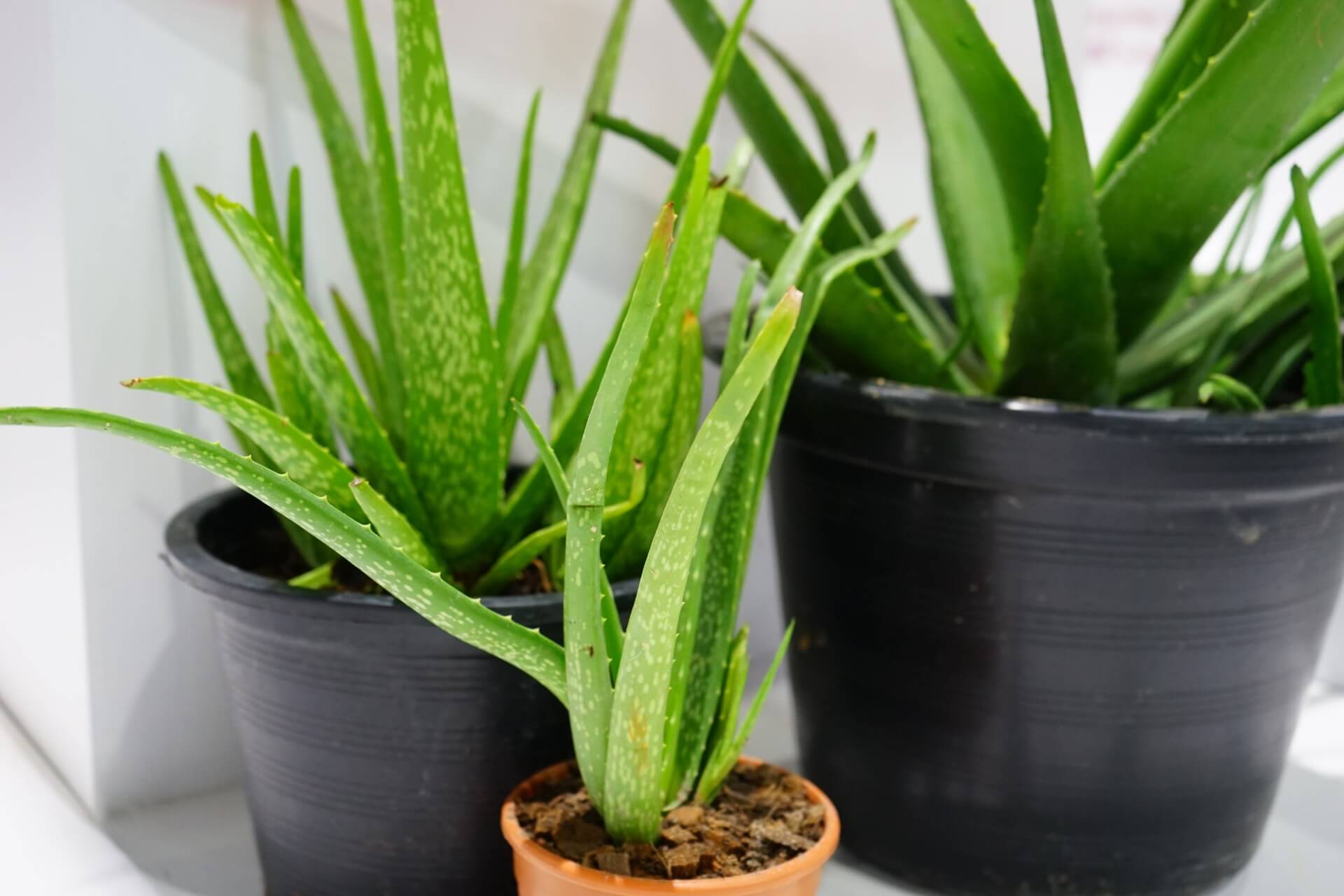
One of the fastest ways to kill an Aloe vera plant is by overwatering. If you give more than what this plant needs, it will begin showing signs of stress. Overwatering is a serious problem and can lead to your Aloe vera’s early demise.
But what makes Aloe vera sensitive to excess moisture? Below is an explanation of why.
Aloe Vera Water Needs
You probably noticed that your Aloe vera has thick and enlarged leaves. This characteristic is a special property of succulent plants, making them well-adapted to drought conditions. The thickened leaves function as a water reservoir, holding moisture and nutrients to supply your Aloe vera needs.
Since Aloe vera utilizes water efficiently, it won’t need frequent watering. After a deep drink once a week, you can leave the plant undisturbed as you wait for the soil to dry before watering again. Sometimes, it takes a week or more of no watering, and your Aloe vera will still look fine.
But when exactly do you water an Aloe vera? Although it has tolerance to drought, it would be bad to neglect it to the point that it gets dehydrated. Here are some cues to watch out for.
When to Water an Aloe Vera?
In the same way, your Aloe vera shows symptoms of stress for overwatering, it will do the same for being underwatered. The visible signs include wilting or shrinking of the leaves, browning and dying leaf edges, and developing brown spots. Obviously, you need not wait for your Aloe vera to turn this way before watering.
Once you notice that the soil is completely dry, it’s time to water. Do a touch test to have a feel of the soil’s moisture. Normally, it will take a week or two for the soil to lose moisture and be ready for the next soaking. So, most gardeners water their Aloe vera once every week when the weather is hot and once every two to three weeks when it’s cold.
Tip: A good indication that your Aloe vera is well-watered is when the leaves are plump and turgid.
How to Avoid Overwatering Your Aloe Vera?
Follow the Soak-and-Dry method
This watering method involves allowing the potting soil to dry completely in between watering. Once dry, give the soil a deep soak ensuring that it’s saturated all the way down.
Water the soil, not the foliage
Pour water directly into the soil. Some folks make the mistake of wetting the foliage. This is not a good practice as it could invite the growth of pathogens such as fungi.
Drain excess water
The presence of drainage holes in pots is very important because it eases the passage of excess water. If the pot has a saucer, remove the standing water after watering.
