
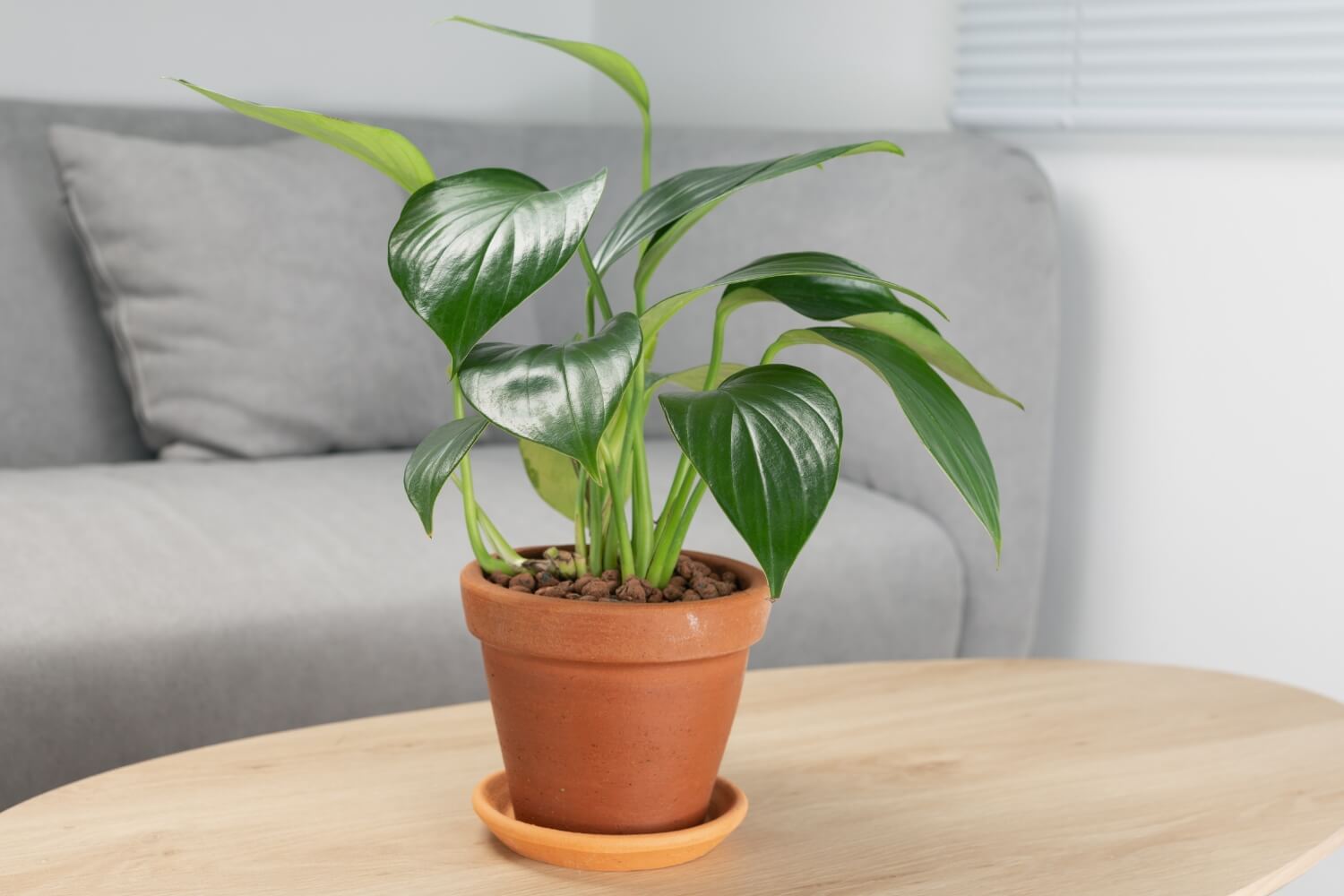
If you’re seeking a vibrant, low-maintenance plant to enhance your indoor space, consider the philodendron. With their large, glossy leaves and adaptable nature, these tropical beauties are a popular choice for homes and offices alike. With over 450 species available, there’s a philodendron to suit a wide range of tastes.
About the Plant
Philodendrons are native to the tropical rainforests of the Americas, where they flourish in warm, humid environments. The name “philodendron” is derived from the Greek words “philo” (love) and “dendron” (tree), referencing their tendency to climb and attach to other plants for support.
In the wild, philodendrons can reach impressive heights, sometimes exceeding 20 feet. However, cultivated as houseplants, they remain more compact. Most indoor philodendron varieties will grow to approximately 6-8 feet, offering a manageable size for various interior settings.
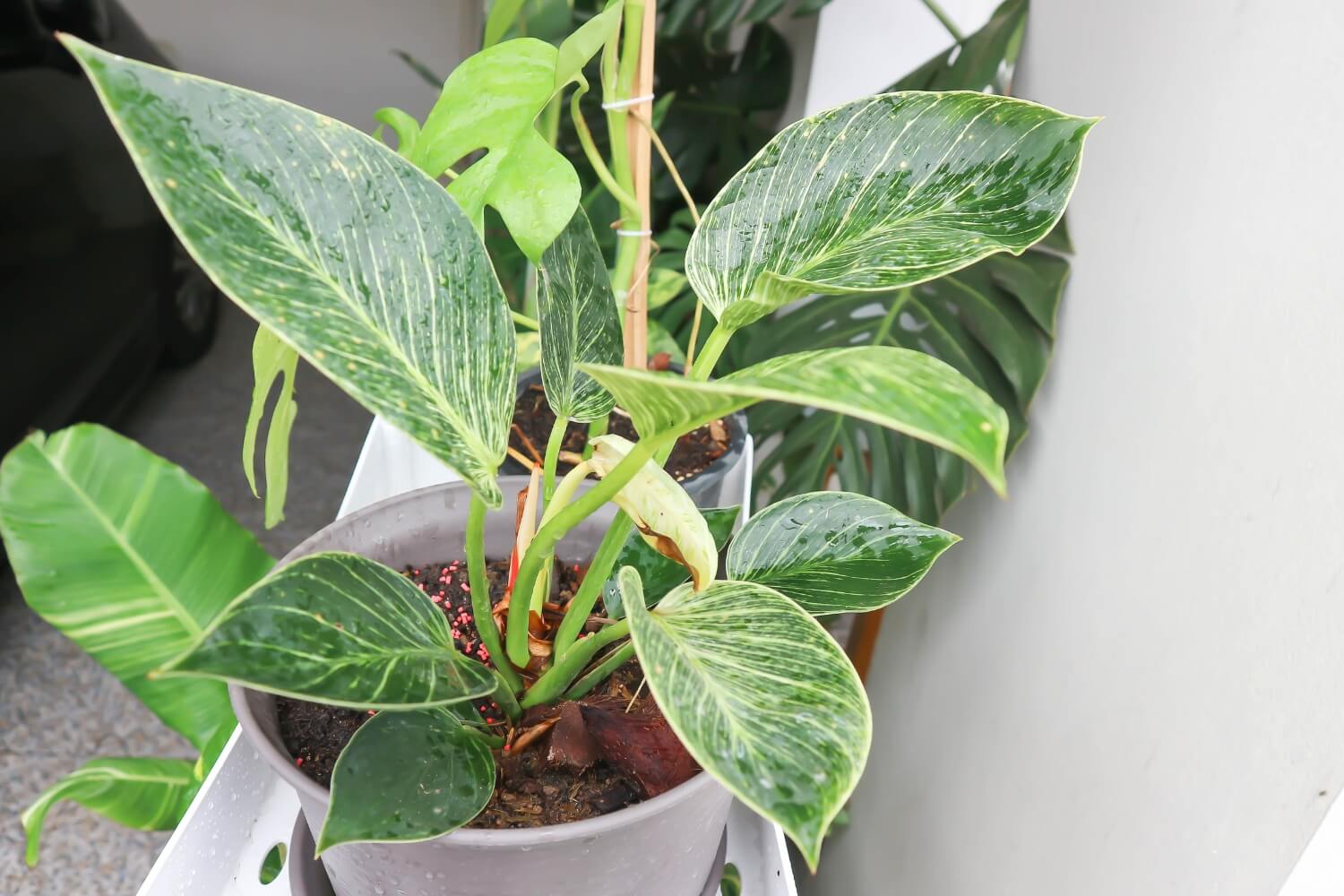
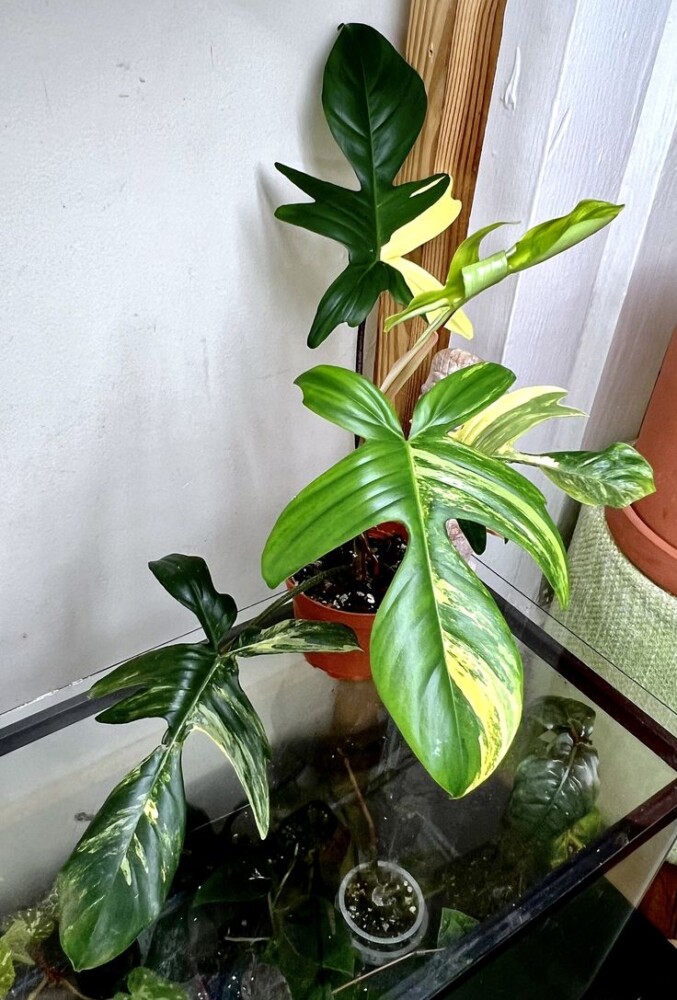
One of the most attractive features of philodendrons is their lush foliage. Their leaves are characteristically large, heart-shaped, and glossy. Some popular cultivars, such as ‘Brasil’ and ‘Micans,’ exhibit striking variegation, with patterns of cream, yellow, or red adding further visual interest.
| Scientific Name | Philodendron spp. |
| Common Name | Philodendron |
| Origin | Central and South America |
| Plant Family | Araceae |
| Plant Type | Herbaceous perennial |
| Growth Habit | Climbing, trailing |
| Hardiness Zones | USDA Zones 9-11 |
| Soil Type & pH | Well-draining, slightly acidic to neutral (5.5-7.0) |
| Sunlight | Low to bright indirect light |
| Toxicity | Toxic to pets and humans if ingested |
| Mature Size | 1-20 feet tall (varies by species) |
| Bloom Time | Rarely flowers indoors |
Types of Philodendron
With so many species and cultivars to choose from, there’s a philodendron for every taste and style. Here are a few of the most popular varieties:
- Heartleaf Philodendron (Philodendron hederaceum) – This classic variety is known for its dark green, heart-shaped leaves and trailing habit. It’s one of the easiest philodendrons to grow, making it a great choice for beginners.
- Brasil Philodendron (Philodendron hederaceum ‘Brasil’) – A variegated form of the heartleaf philodendron, ‘Brasil’ features leaves with irregular patches of chartreuse and yellow. It’s a bit more finicky than its all-green cousin, but the extra effort is well worth it for those stunning leaves.
- Lacy Tree Philodendron (Philodendron bipinnatifidum) – If you’re looking for a statement plant, the lacy tree philodendron is it. With its deeply lobed, almost fern-like leaves, this variety can grow up to 8 feet tall and 6 feet wide, making it a true showstopper.
- Velvet Leaf Philodendron (Philodendron micans) – As its name suggests, this variety is known for its velvety, iridescent leaves that shimmer in the light. It’s a bit more compact than some other philodendrons, making it a great choice for smaller spaces.
How to Care for a Philodendron
While philodendrons are generally low-maintenance plants, they do have a few basic requirements to keep them looking their best. Here’s what you need to know:
Sunlight
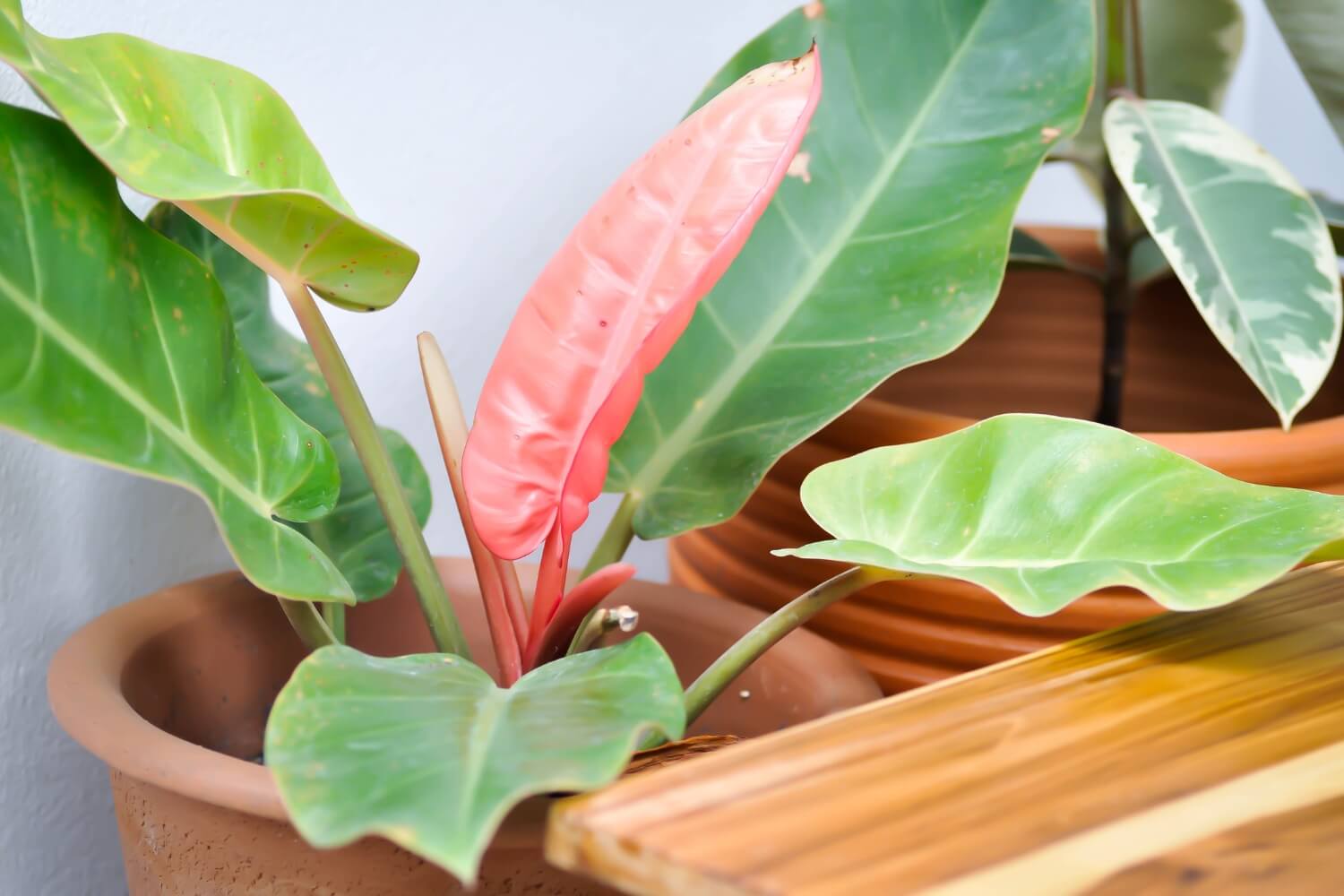
Philodendrons prefer bright, indirect light – think a few feet away from a sunny window or near an east-facing exposure. While they can tolerate lower light conditions, they may become leggy and lose some of their vibrant colour if they don’t get enough sun.
Temperature & Humidity
As tropical plants, philodendrons thrive in warm, humid conditions. Aim for temperatures between 60-80°F and humidity levels around 40-50%. If your home is on the dry side, consider placing your philodendron on a humidity tray or misting it regularly to boost moisture levels.
Water
Philodendrons like their soil to be consistently moist but not soggy. Water your plant when the top inch of soil feels dry to the touch, and be sure to empty any excess water from the saucer to prevent root rot. During the winter months, you can reduce watering slightly to account for slower growth.
Soil & Compost
A well-draining potting mix is essential for healthy philodendron growth. Look for a blend that contains perlite, vermiculite, or sand to improve drainage, and consider adding some organic matter like compost or coconut coir to retain moisture and provide nutrients.
Fertilizer
To keep your philodendron looking its best, fertilize monthly during the growing season (spring through fall) with a balanced, water-soluble fertilizer diluted to half strength. Skip fertilizing during the winter months when growth slows down.
How to Propagate Philodendron
One of the most rewarding aspects of growing philodendrons is their ease of propagation. These plants can be propagated through stem cuttings, division, or air layering.
For stem cuttings, simply snip off a healthy stem section with at least one leaf node (the point where a leaf emerges from the stem). Remove the lower leaves, dip the cut end in rooting hormone (optional), and plant it in a well-draining potting mix. Keep the soil moist, and within a few weeks, you should see new growth emerging.
Division is another simple method for propagating philodendrons. Carefully remove the plant from its pot and gently separate the root ball into two or more sections, each with its own set of stems and roots. Replant these divisions in their own containers, and water them well.
Repotting Philodendron
As your philodendron grows, it will eventually outgrow its current container and need to be repotted. This is typically necessary every 1-2 years, depending on the size and growth rate of your plant.
To repot your philodendron, choose a container that’s 1-2 inches larger in diameter than the current pot and has plenty of drainage holes. Fill the bottom third of the pot with fresh potting mix, then gently remove your plant from its old container, being careful not to damage the roots.
Place your philodendron in the new pot and fill in around the roots with additional potting mix, tamping it down gently to remove any air pockets. Water thoroughly and place your plant back in its usual spot, and you’re done!
Pruning Tips
Philodendrons are fast growers, and they can quickly become unruly if left unchecked. To keep your plant looking its best, regular pruning is a must.
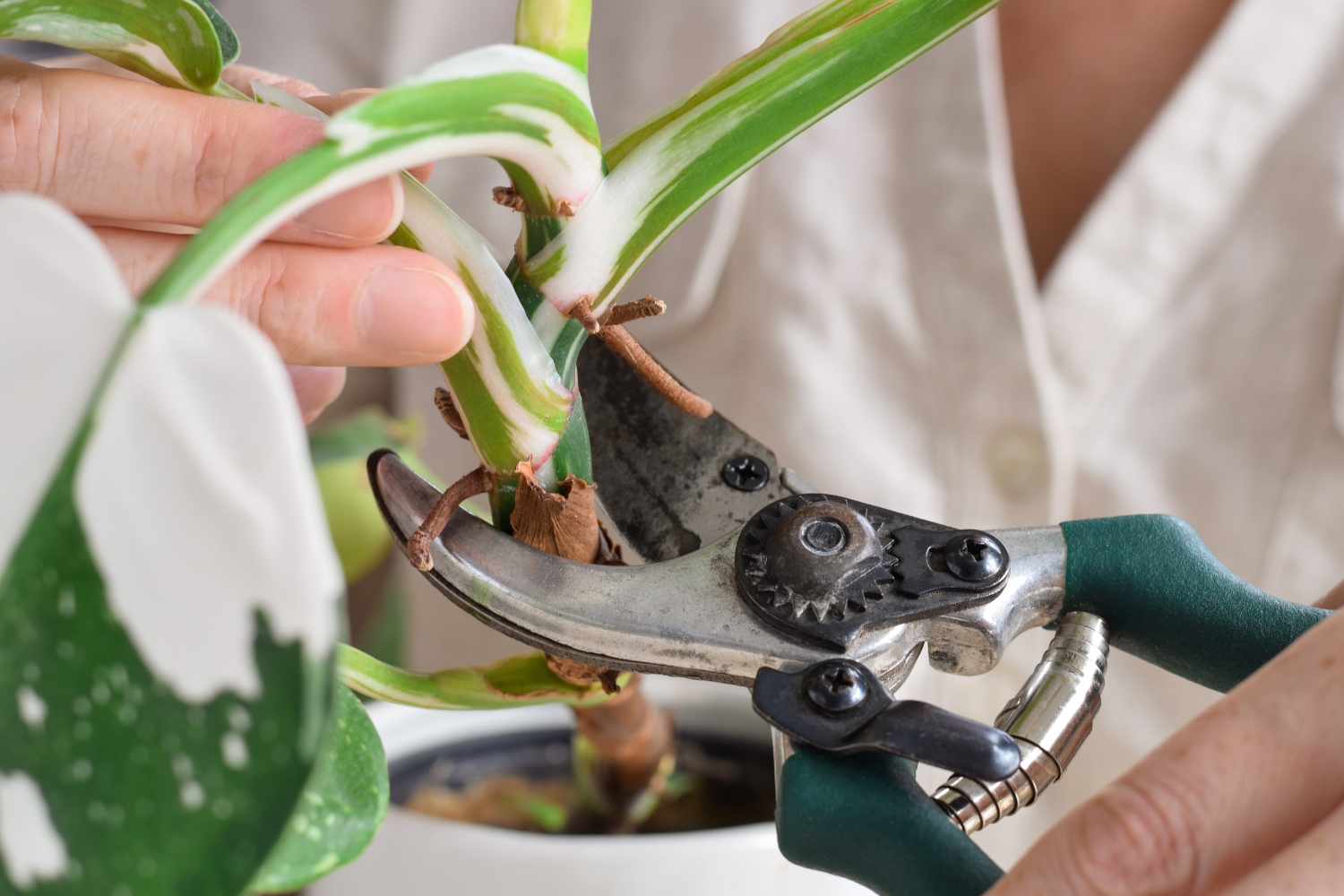
The best time to prune your philodendron is in the spring or summer, when the plant is actively growing. Use a pair of clean, sharp scissors or pruning shears to remove any dead, damaged, or yellowing leaves, as well as any long, leggy stems that are detracting from the plant’s overall shape.
If your philodendron is getting too big for its space, you can also prune it back more drastically to control its size. Just be sure to make your cuts just above a leaf node (the point where a leaf meets the stem) to encourage new growth.
Blooming Period
While philodendrons are primarily grown for their foliage, they can occasionally produce flowers when grown outdoors in their native habitat. Indoors, however, flowering is rare.
If your philodendron does happen to bloom, you’ll see a spathe (a modified leaf) surrounding a spadix (a fleshy spike covered in tiny flowers). The spathe can be green, white, or red, depending on the species, and the spadix is typically yellow or cream-colored.
While the flowers themselves aren’t particularly showy, they can be a fun surprise for philodendron enthusiasts. To encourage blooming, provide your plant with plenty of bright, indirect light and keep the soil evenly moist but not soggy.

Common Problems with Philodendron
Pests and Diseases
Like most houseplants, philodendrons can occasionally fall victim to pests or diseases. Common pests include spider mites, mealybugs, scale insects, and aphids. These can often be controlled with insecticidal soap or neem oil.
Diseases such as root rot, bacterial leaf spot, and mosaic viruses can also affect philodendrons. Proper watering, good air circulation, and quarantining new plants can help prevent the spread of these issues.
Yellow Leaves
If your philodendron’s leaves are turning yellow, it could be a sign of overwatering, underwatering, or nutrient deficiencies. Check the soil moisture level and adjust your watering schedule accordingly, and consider fertilizing with a balanced, water-soluble fertilizer.
Brown Tips
Brown tips on the leaves can be caused by low humidity, overwatering, or exposure to cold drafts. Increase humidity levels by misting your plant regularly or placing it on a humidity tray, and make sure it’s not sitting near any cold windows or air vents.
Leggy Growth
If your philodendron is getting leggy or stretching out, it’s probably not getting enough light. Move it to a brighter spot or consider adding a grow light to supplement its light levels.
Drooping Leaves
Drooping leaves can be a sign of underwatering or low humidity. Check the soil moisture level and water thoroughly if it feels dry, and consider misting your plant regularly to boost humidity levels.
FAQ
Philodendrons prefer bright, indirect light, so a spot near an east- or north-facing window is ideal. Avoid placing them in direct sunlight, which can scorch their leaves.
With proper care, philodendrons can live for many years. Some specimens have been known to live for decades or even longer.
Leaf drop can be caused by a variety of factors, including overwatering, underwatering, low humidity, or exposure to cold drafts. Check the soil moisture level and adjust your watering schedule accordingly, and make sure your plant is not sitting near any cold windows or air vents.
Philodendrons can be grown outdoors in warm, humid climates (USDA zones 9-11), but they should be protected from direct sunlight and extreme temperatures. In cooler climates, they’re best kept as indoor plants.
