
A new season is finally here and you’re thinking of planting new crops in your garden. Not all types of vegetables love the fall and winter seasons. Some of them won’t survive the cold and will die from freezing. Thankfully, some are frost-hardy and would thrive in the cold seasons. So, don’t lose hope.
Prepare yourself to choose from the following list of crops you can grow this Fall and Winter.
1Garlic
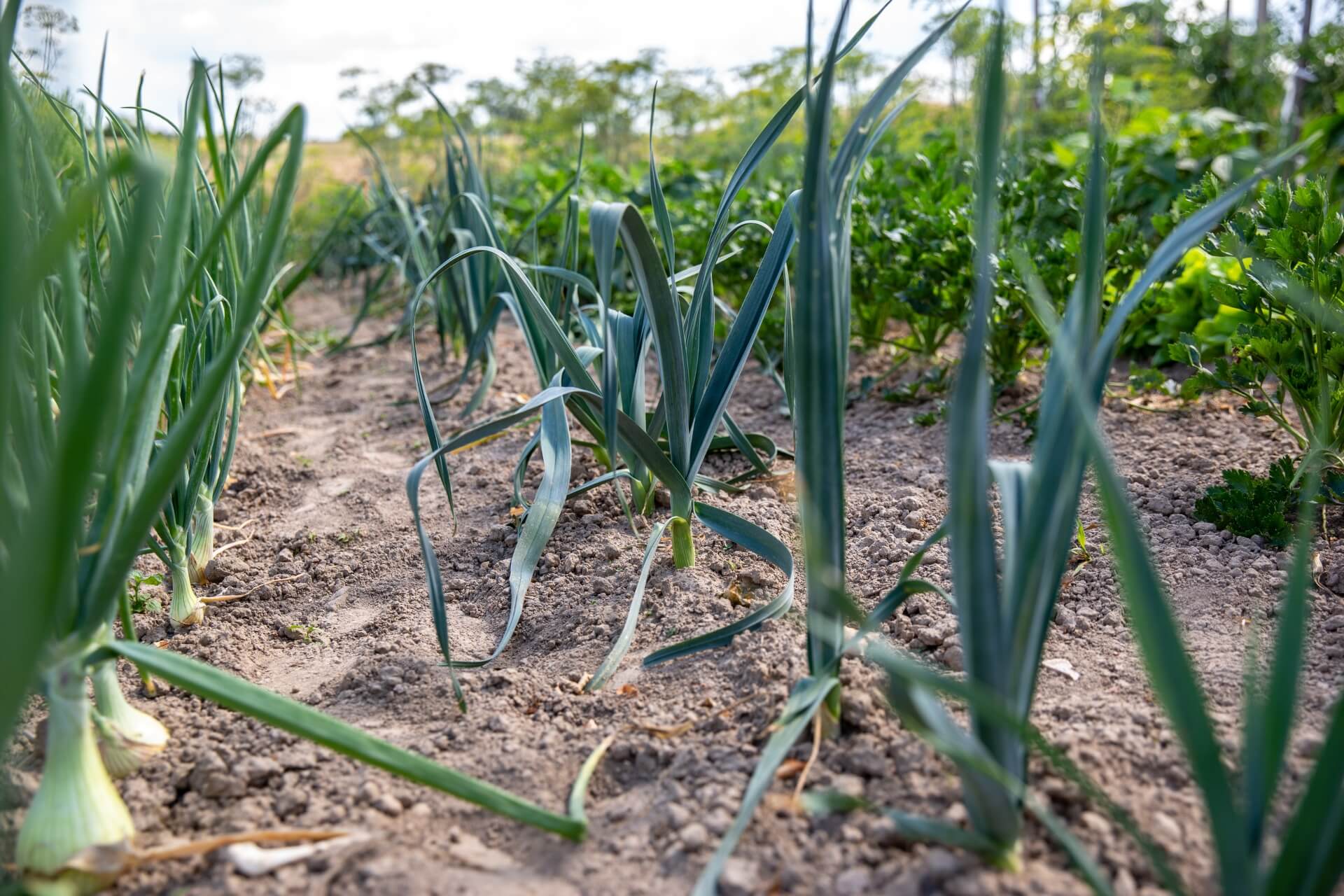
Garlic is one of the best crops to plant in the Fall starting late September to mid-October or six weeks before the ground freezes. During this time, your garlic must have developed roots below the ground and is already established once the frost arrives.
The cool weather stimulates the growth of garlic and helps them produce bulbs. Hence, garlic planted in Fall or Winter tends to produce bigger bulbs.
2Lamb’s lettuce
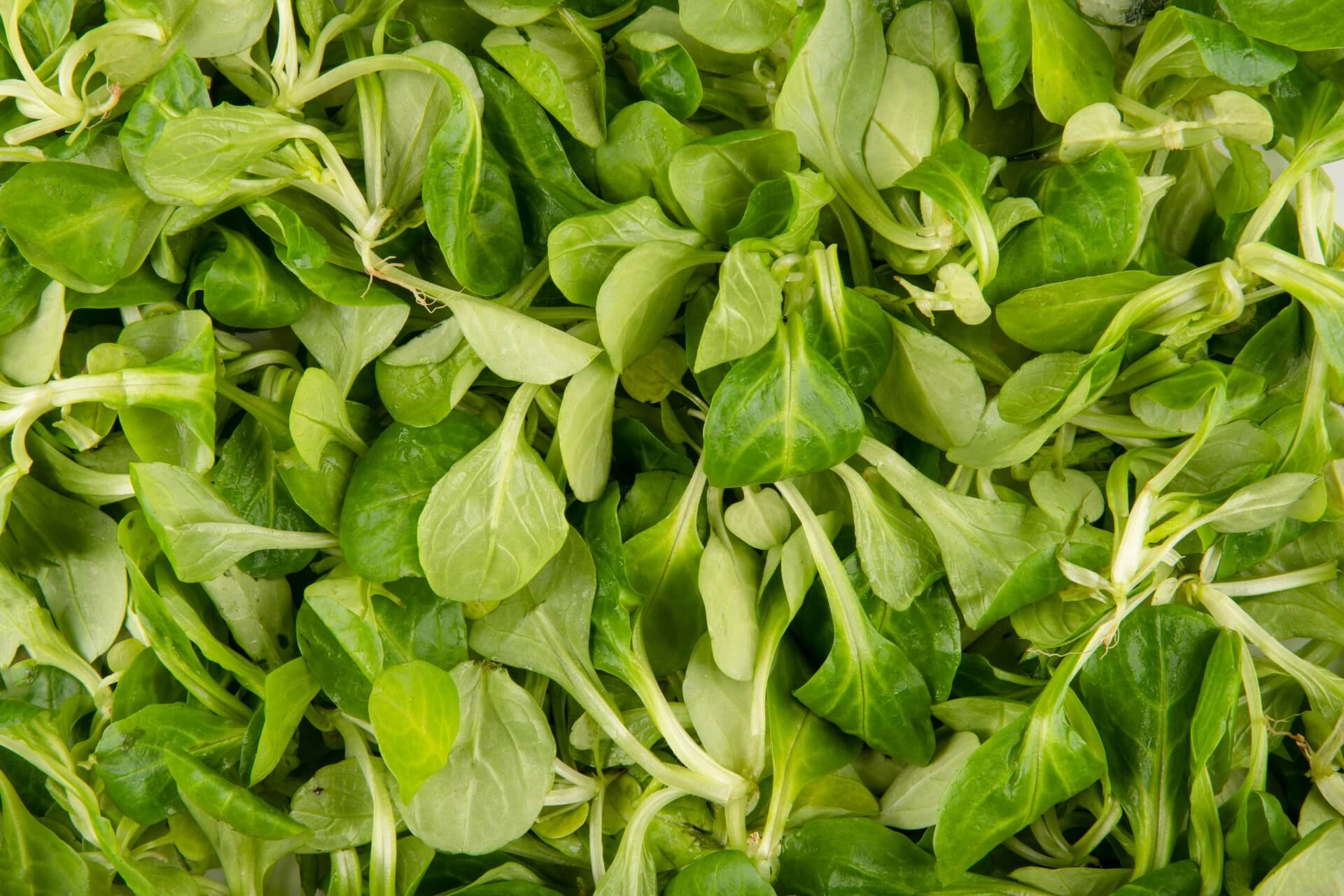
Despite having tender leaves, lamb’s lettuce is frost-hardy. This healthy wintergreen is perfect for planting in the winter season because it can withstand the season’s coolness along with the shorter daylight.
You can also start sowing in the Fall season so you’ll be able to harvest in Winter. It takes five to eight weeks before the lettuce will be ready for harvest.
3Peas
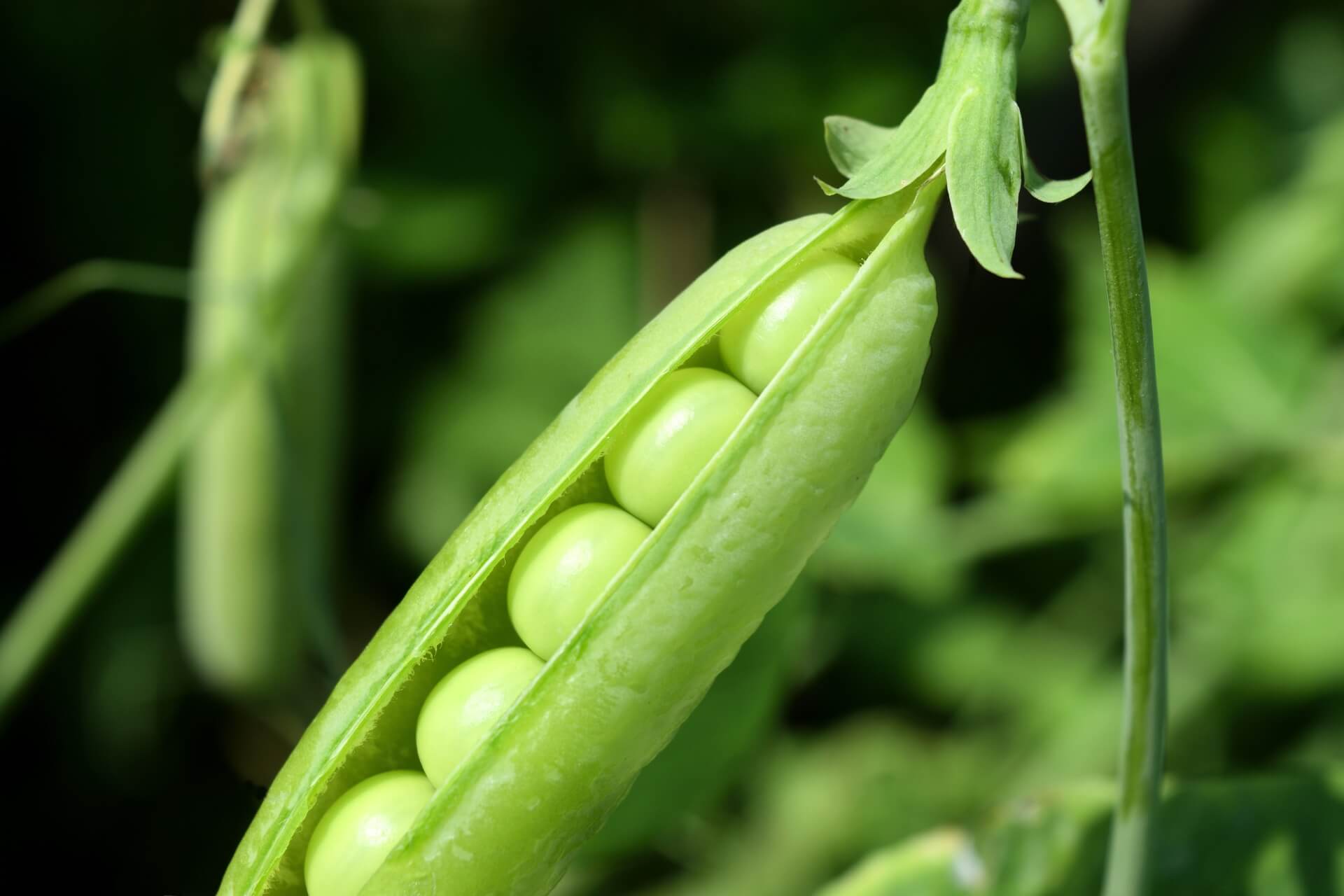
Once mid-October hits, you may start sowing peas seeds in your garden. In about two weeks, they would grow into seedlings enough to withstand the coolness of Winter. Peas are frost-hardy crops and survive even when the temperature drops to 14oF (-10oC).
You need to put mulch around the base of each seedling to keep it protected if the temperatures get even lower.
4Broccoli
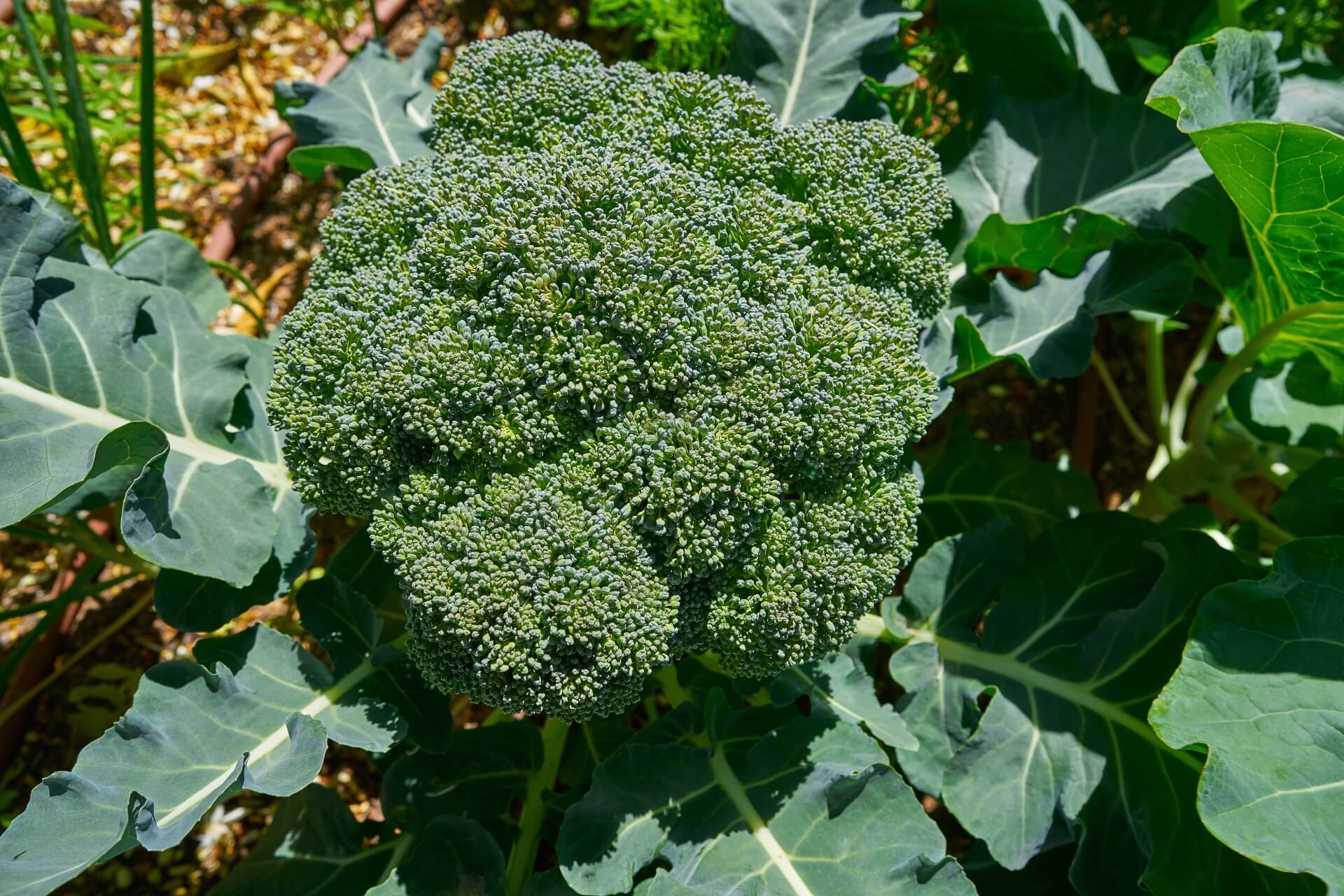
As a cool-season crop, you can plant broccoli in the cool weather of the fall season. It would help if you started sowing seeds about a hundred days before the first frost. You will need to cover the seedlings with mulches to protect them from frost.
The cool weather prevents broccoli from bolting or premature flowering. Once you plant at a proper time, you’ll start having harvest in about 2 to 4 months, depending on the variety.
5Cauliflower
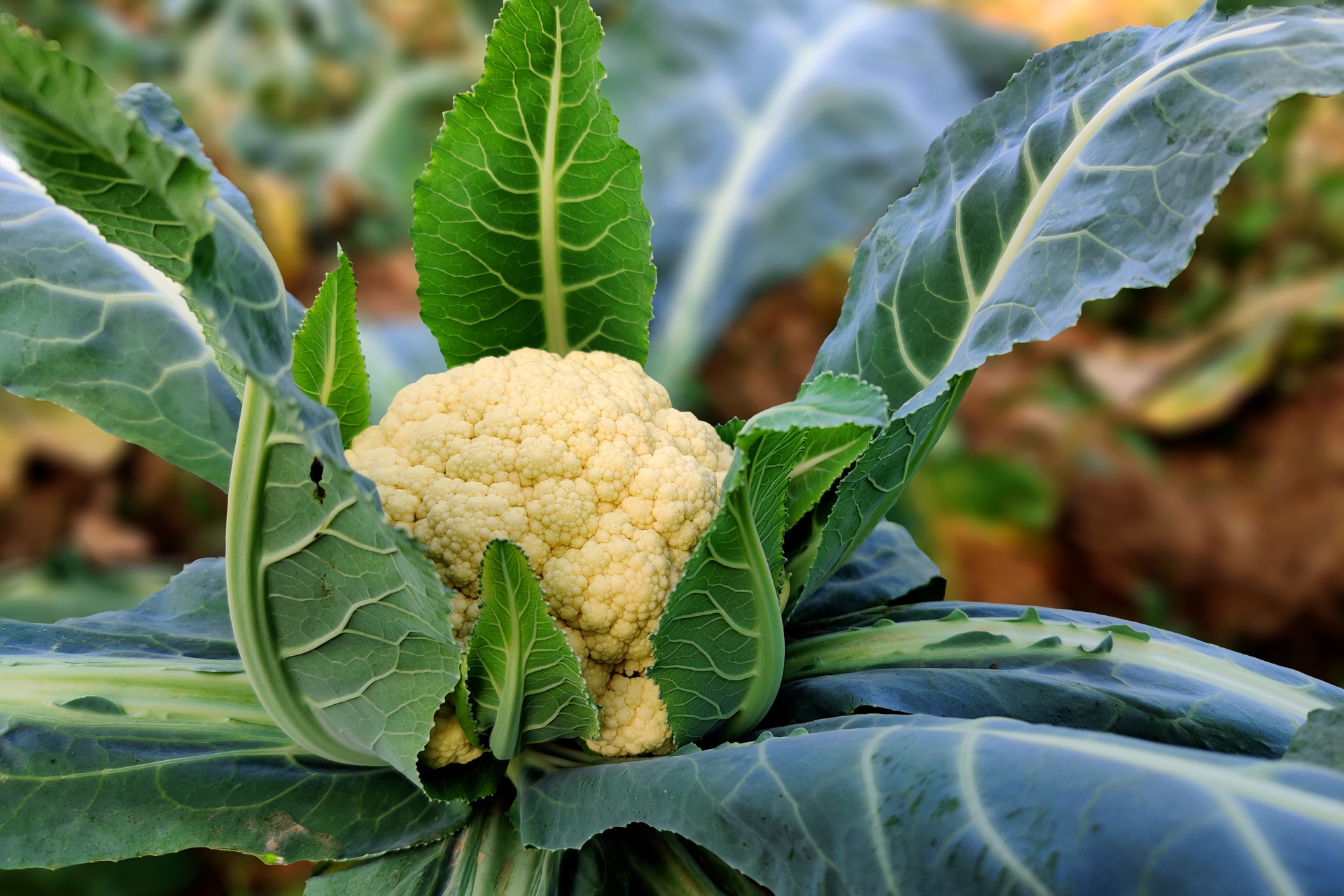
Like broccoli, you can plant cauliflower seeds during the fall season. Planting them during this time will allow them to be exposed to cool temperatures, 60-65oF (16-18oC), which they need to grow properly.
When planted in the Fall, you can have a harvest of cauliflower in Winter or early Spring.
6Arugula
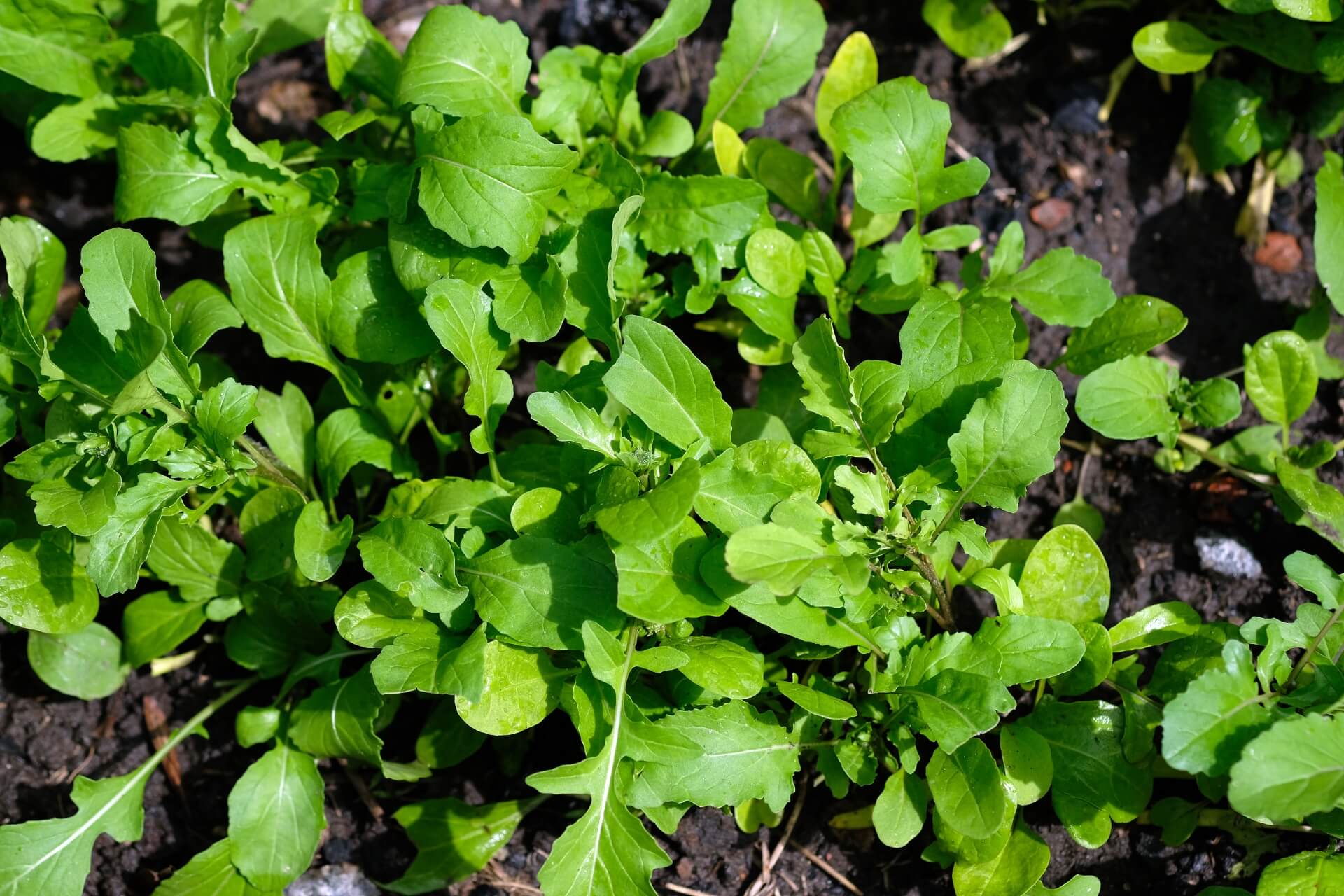
Arugula is a fast-growing vegetable crop that you can grow in early Fall. The seeds will germinate even when the soil has a temperature of as low as 40°F (4°C). They have no trouble tolerating frost and light freeze, so they survive the cool weather.
You can have your first harvest as early as 40 days after sowing.
7Radish
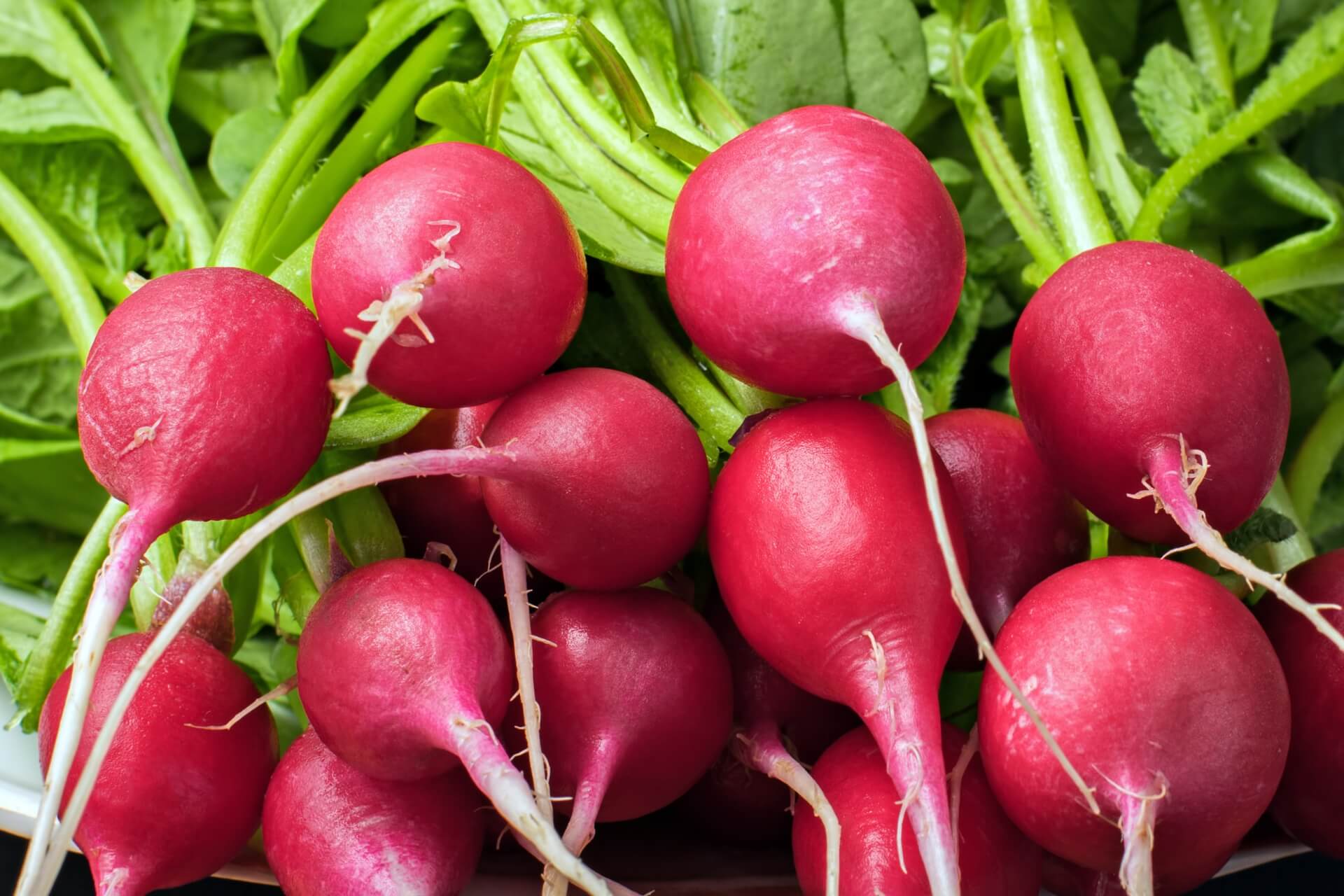
While most radishes grow in Spring, you can also grow them in the Fall season, starting in September. Radishes love a cool temperature and the reduced heat during Fall prevents the plant from bolting.
It’s best to plant slow-growing varieties like daikon or mooli in the Fall season so you can keep them in the ground for more extended periods and harvest them after Winter.
8Spinach
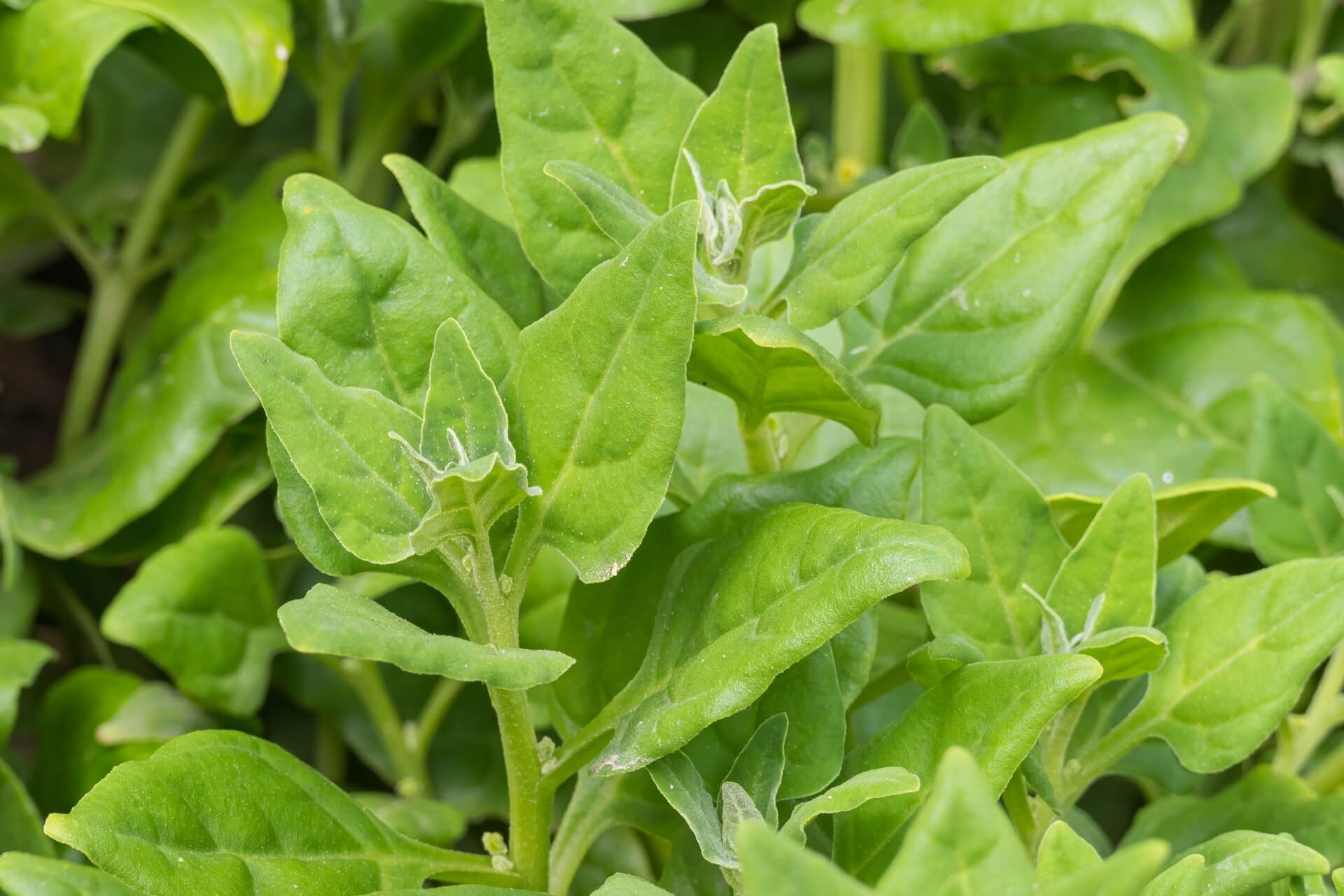
Spinach is another leafy plant that you can plant in October. You can expect to see the seeds germinate at the end of the month and true leaves will appear before the frost comes in. Like its relative lettuce, spinach is also very cold-hardy and will survive the freezing temperatures in Winter.
You can harvest the leaves as early as 40 days after sowing. However, the peak of the spinach harvest will be in February.
9Strawberries
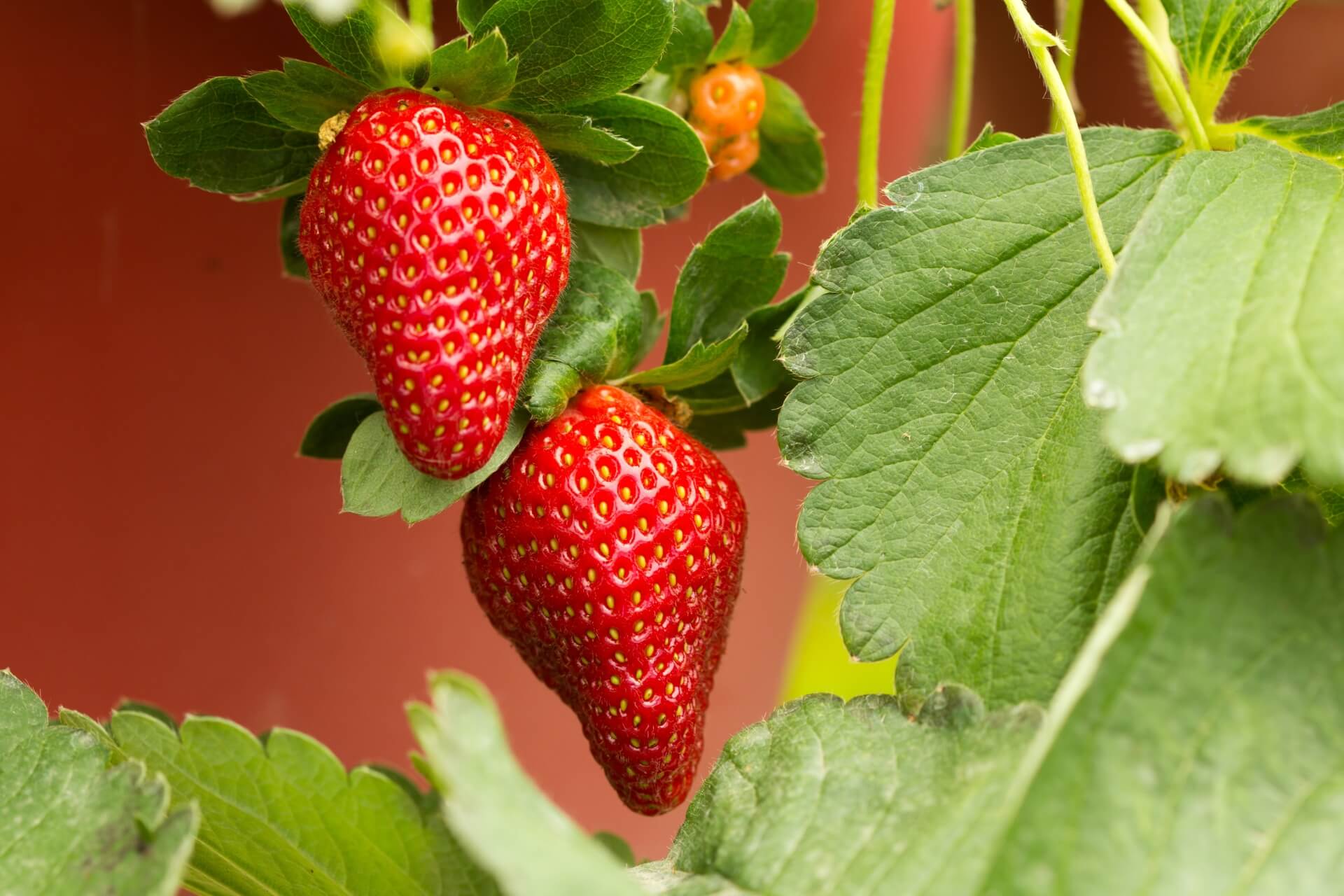
Who doesn’t like strawberries? This flavorful fruit is something that almost everyone loves. Luckily, some varieties of strawberries can grow well when planted in early Fall. Since they’re cool-loving plants, they can survive the winter season by turning dormant and returning in Spring.
To keep your strawberries protected, you’d need to add mulch to them. The growing period is much faster when you plant strawberries in the Fall.
10Turnips
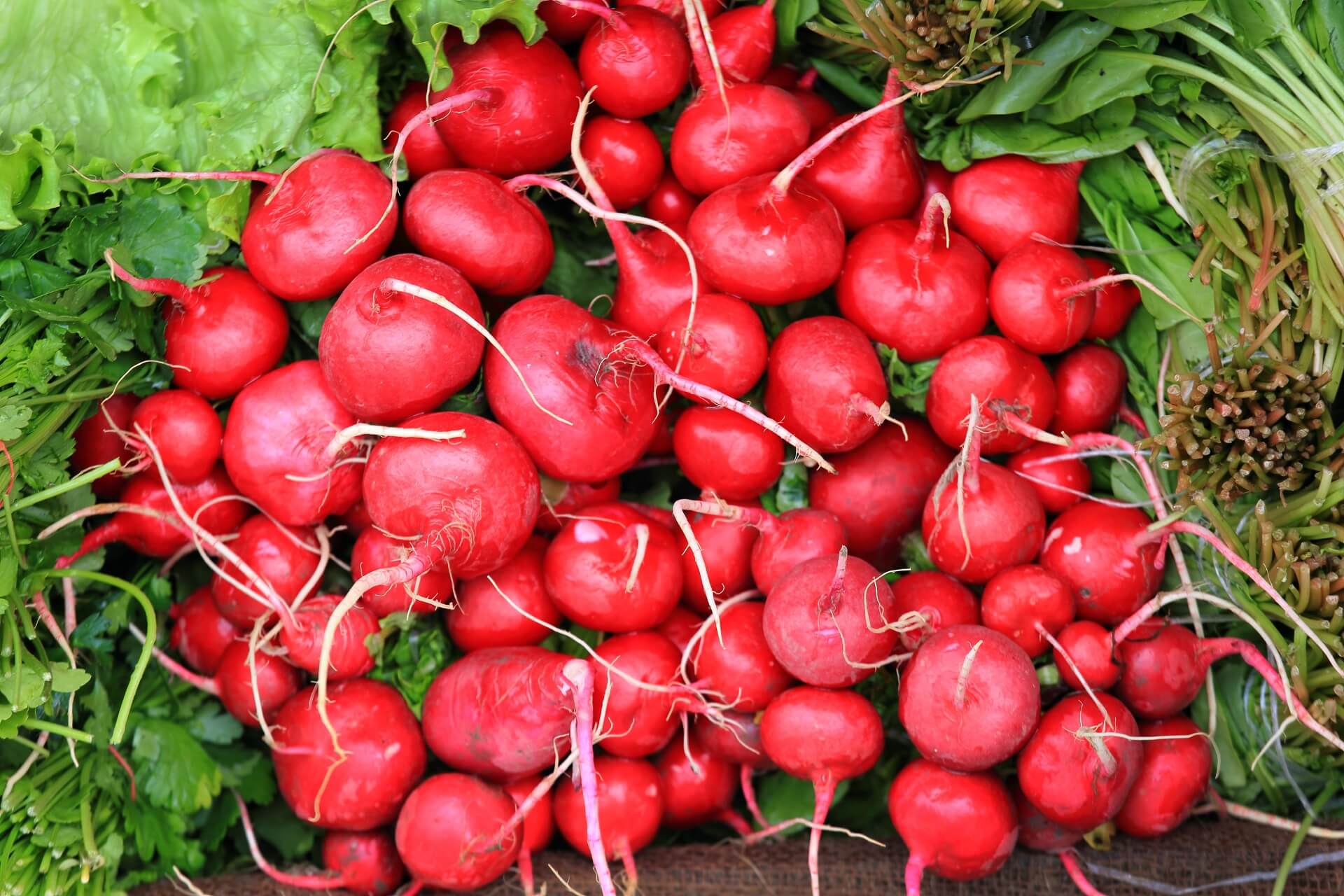
Turnips are another green that you can plant in October. Like its relatives radish and arugula, turnips are cool-loving plants that benefit from the cooling temperatures during Fall. You can plant them early in the Fall and harvest the first young greens later in the season.
Since you planted in the Fall, you’d need to harvest the roots after the first light frosts. Don’t wait for the hard freeze to come, as this can affect the quality of the taste of turnips.
11Beets
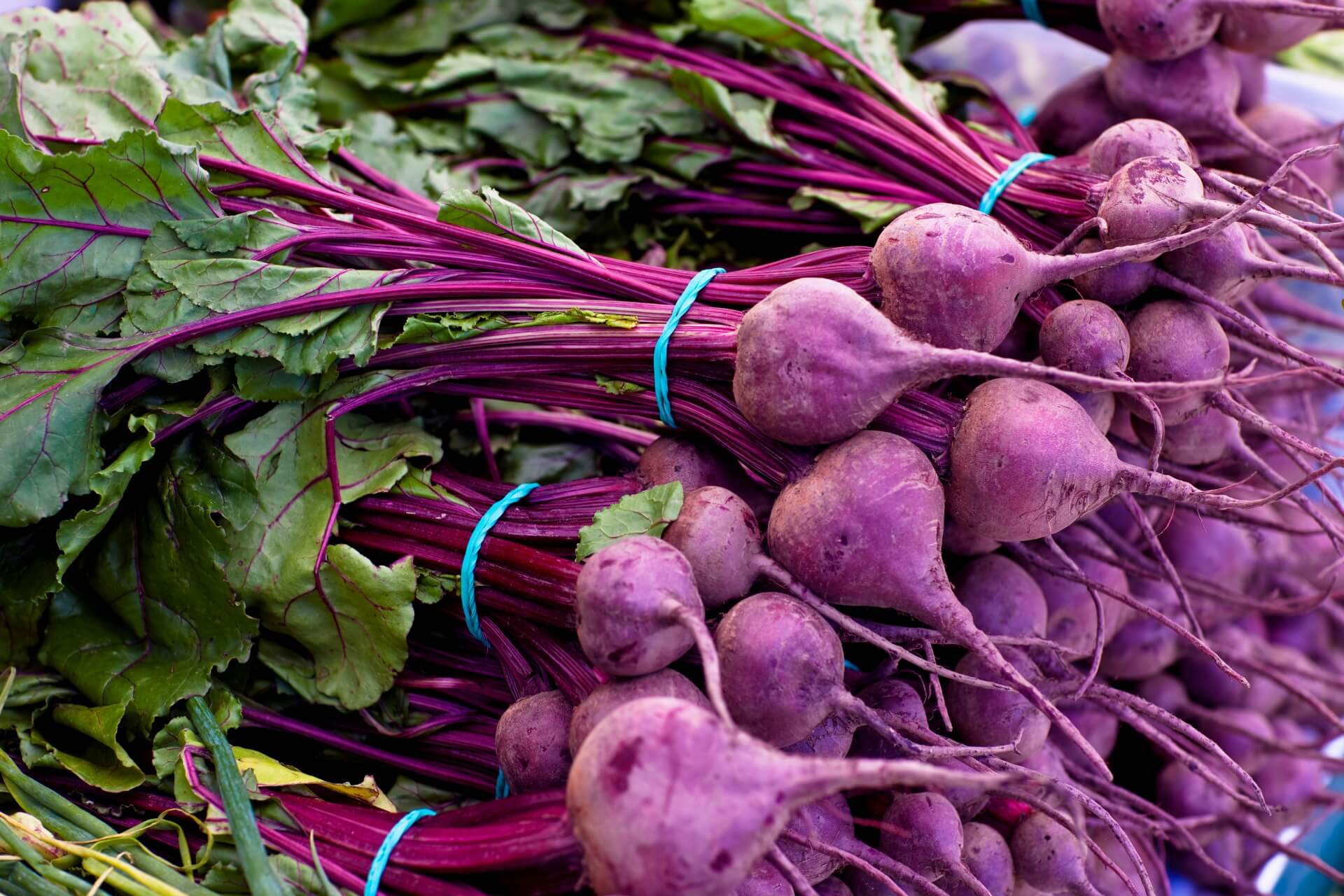
Beets or beetroots are another type of vegetable that you can grow easily in the fall season. You can plant beet seeds early in the Fall, at least 4 to 6 weeks before the first frost. Because they’re cool-loving, they can survive nearly freezing temperatures without trouble.
The beets will be ready for harvest about two months after you plant them. The roots should be a golf ball size or larger.
12Kale
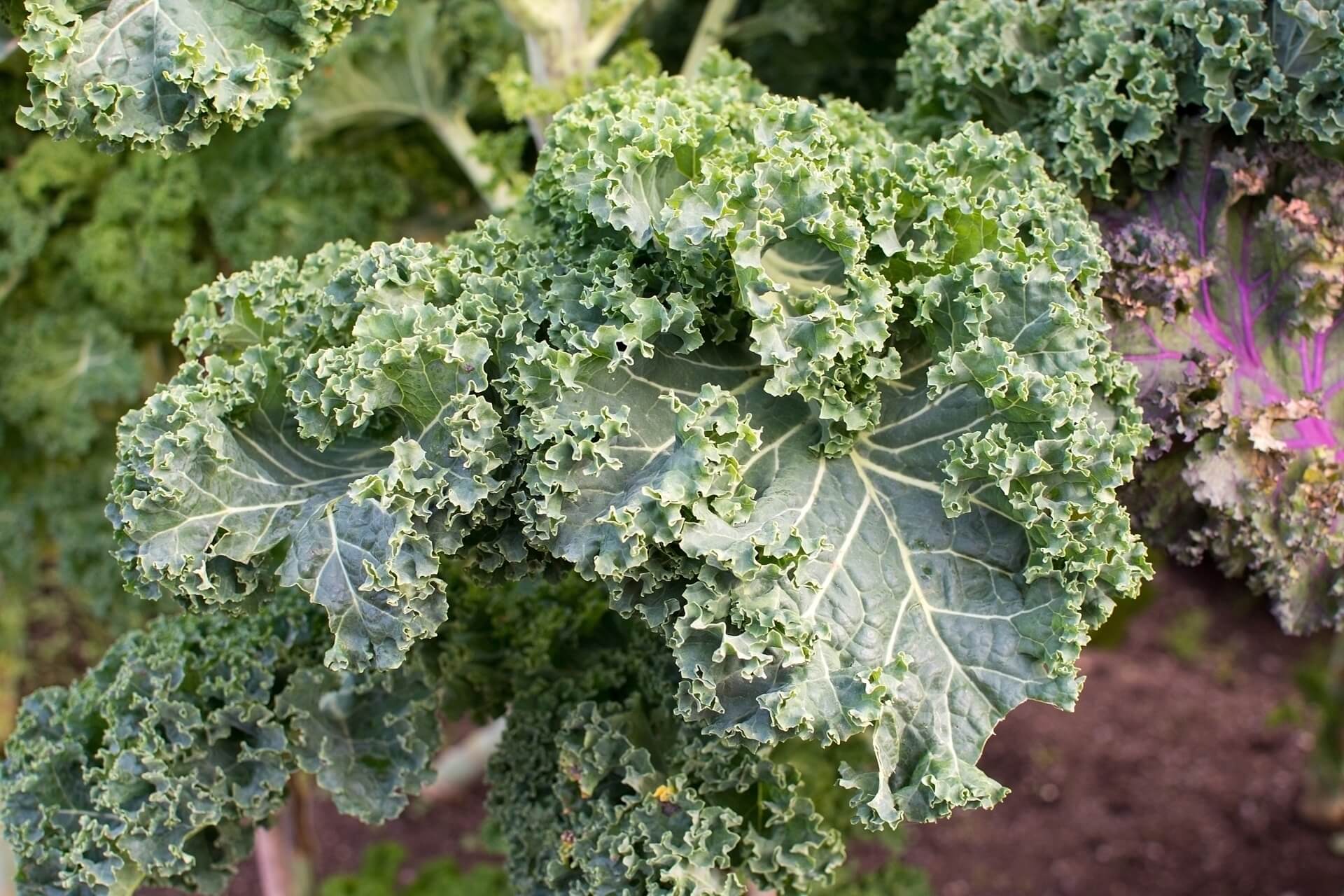
Planting kale is a must in the fall season. This leafy vegetable is a cold, hardy one; if you sow the seeds in October, you’ll have your early harvest in February. The cool temperatures in the Winter are the reason why kale has that sweet, nutty flavor.
You can use kale on salads, pizzas, grilled chicken or sides, soups, and even blended juices.
13Kohlrabi
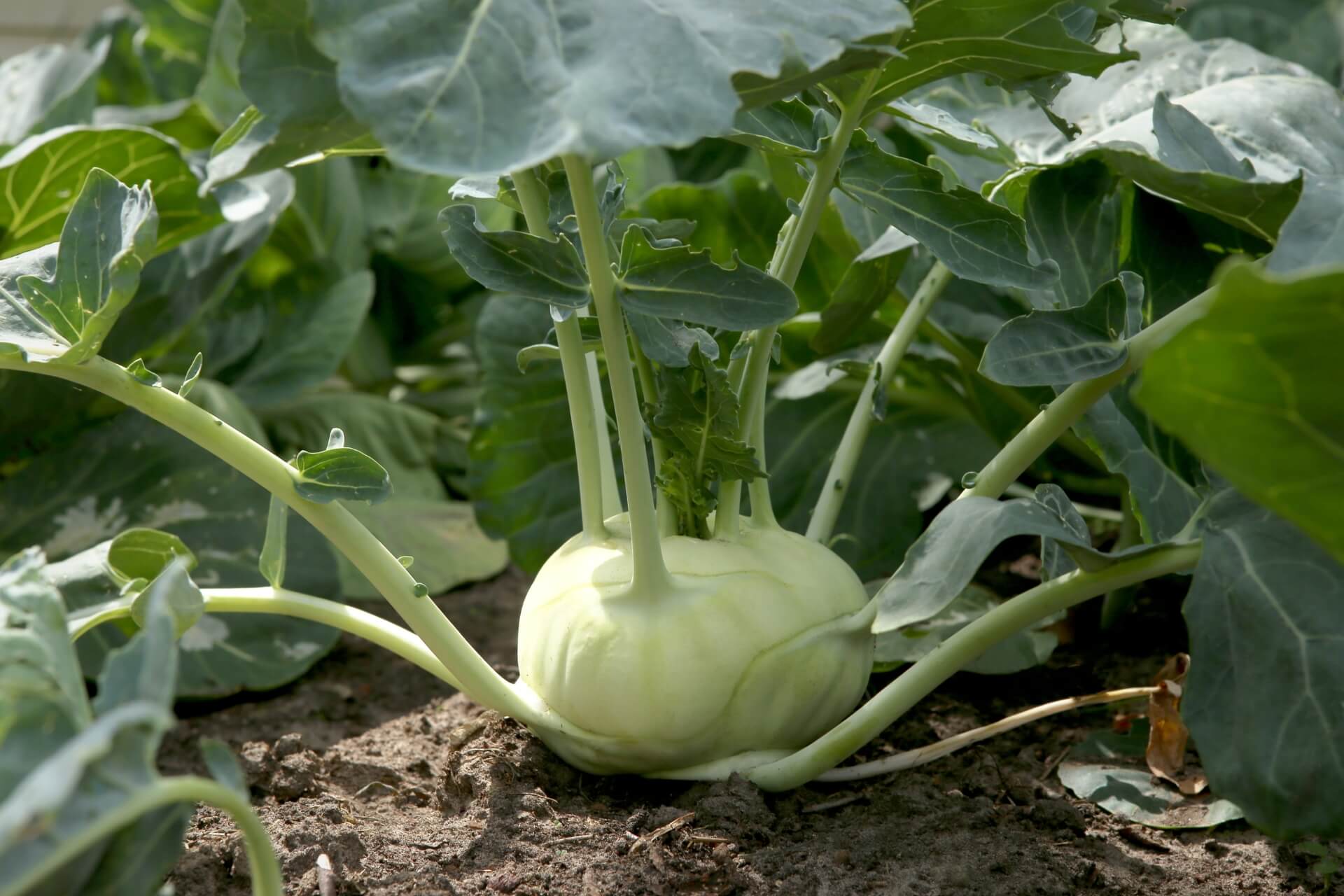
Although Kohlrabi may sound and look strange, they’re one of the best vegetable crops to grow in the fall season. They can withstand the cool temperatures of Winter, but you have to plant them six weeks before the first frost so they’ll have time to harden off.
The cool weather helps Kohlrabi develop sweet bulbs. You can simply steam Kohlrabi and enjoy its taste. Others boil, mash, roast or fry them.
14Parsley
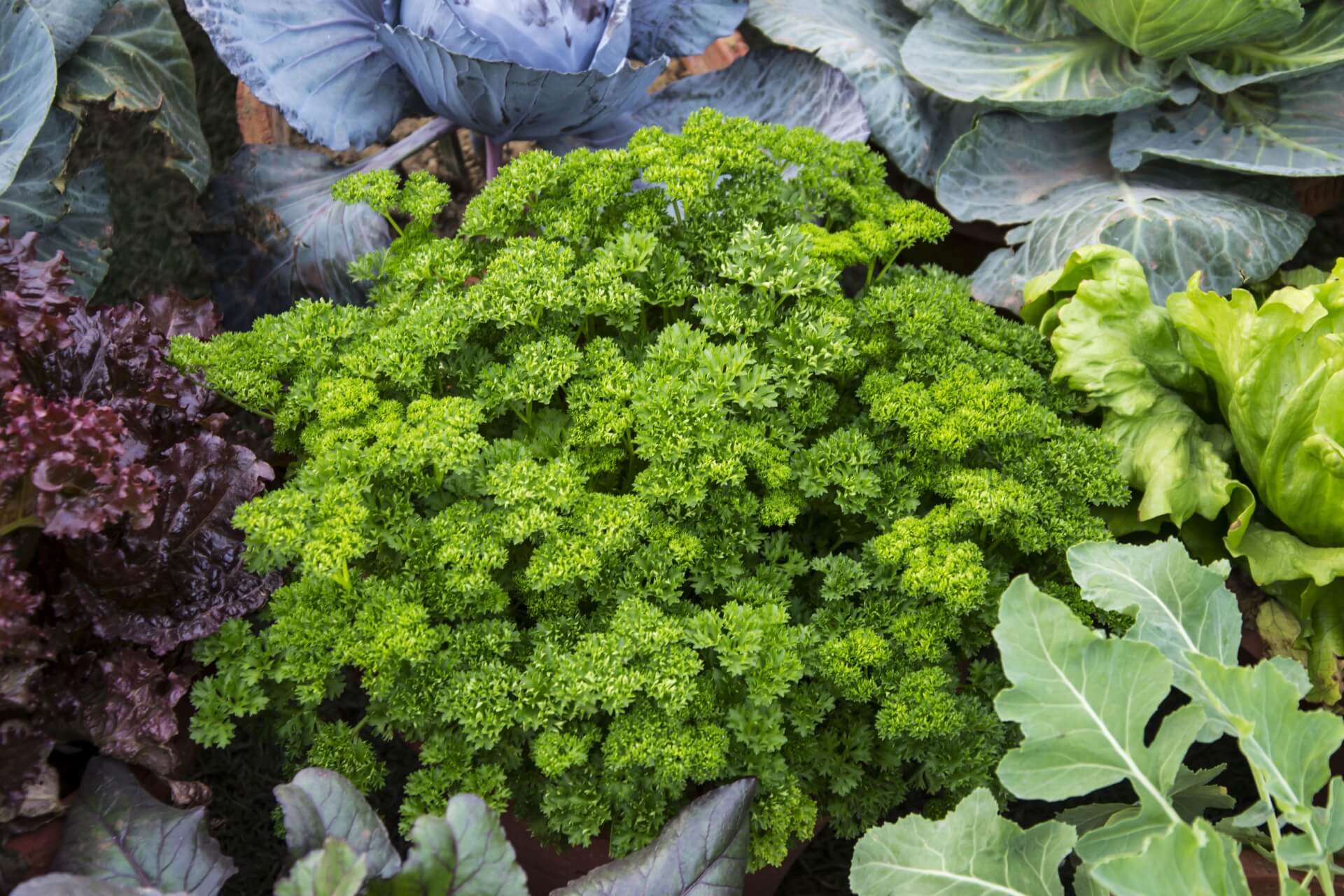
The fall season is also an excellent time to plant parsley because it provides more harvest than when grown in Spring. This plant is also a cool-season vegetable and wouldn’t mind the cool temperatures. You can start sowing seeds in July and transplant the seedlings outdoors come September.
The most challenging part of growing parsley is its low germination rate. Make sure to soak the seeds 2 hours before sowing.
15Bok Choy
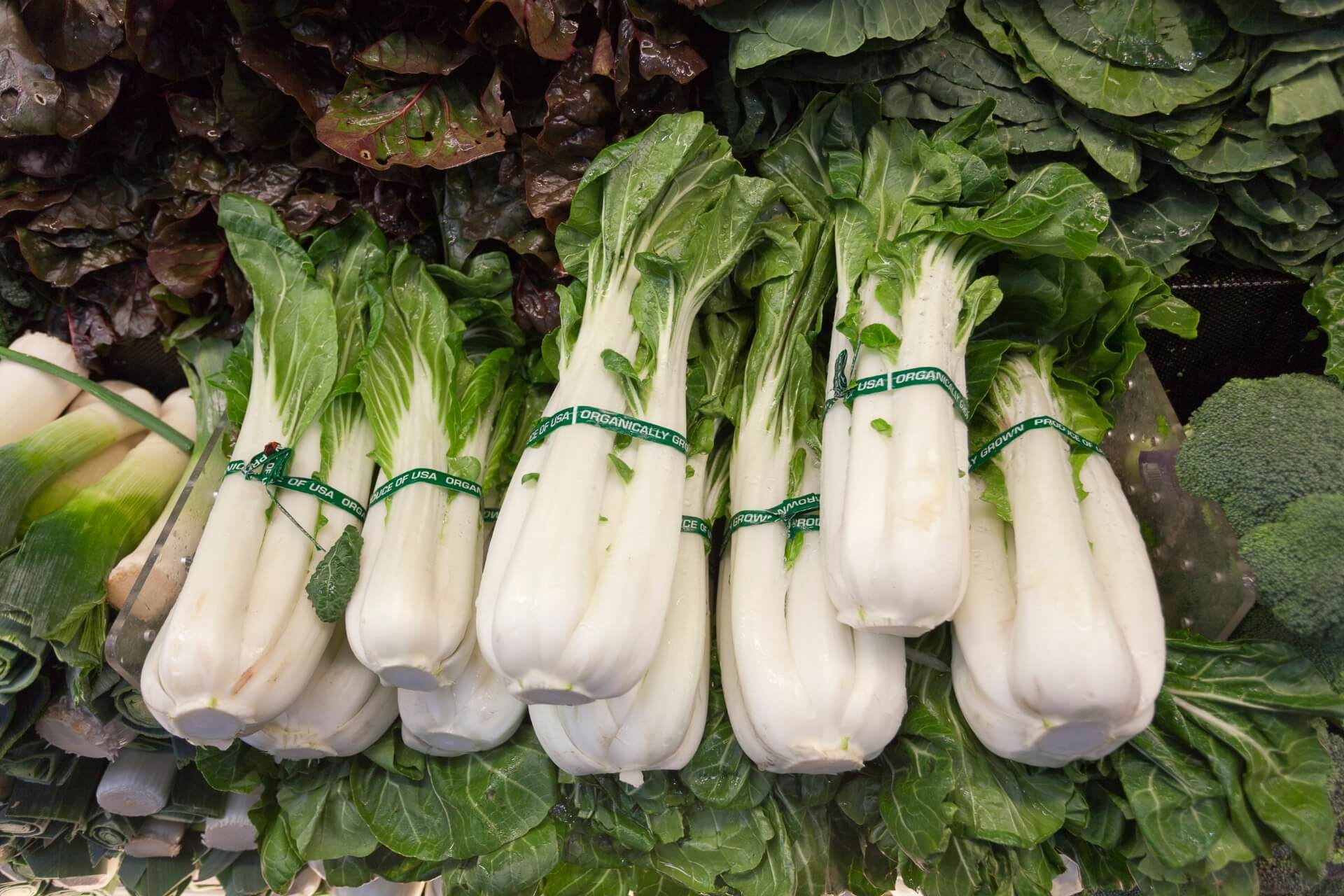
Bok choy or Chinese Cabbage is a delicious leafy vegetable that is frost-hardy. Once you sow the seeds 8 to 10 weeks before the first fall frost, you can expect to harvest them 50 days after. They mature quickly and you can enjoy a fresh harvest in the late Fall or early Winter.
You can use bok choy in soups, salads, stir-fries, and spring rolls.
Starting a fall or winter garden isn’t as difficult as one might imagine. While many vegetable crops thrive in Spring and Summer, we can also take advantage of these cool-loving vegetables. These crops are tolerant of cold conditions, so there is no need to worry.
However, knowing the proper planting timing is crucial to ensure that the plants will remain hardy throughout the cool season. Adding in some protection like mulch also helps them withstand freezing temperatures.
So, now is the time to start preparing your garden.
