
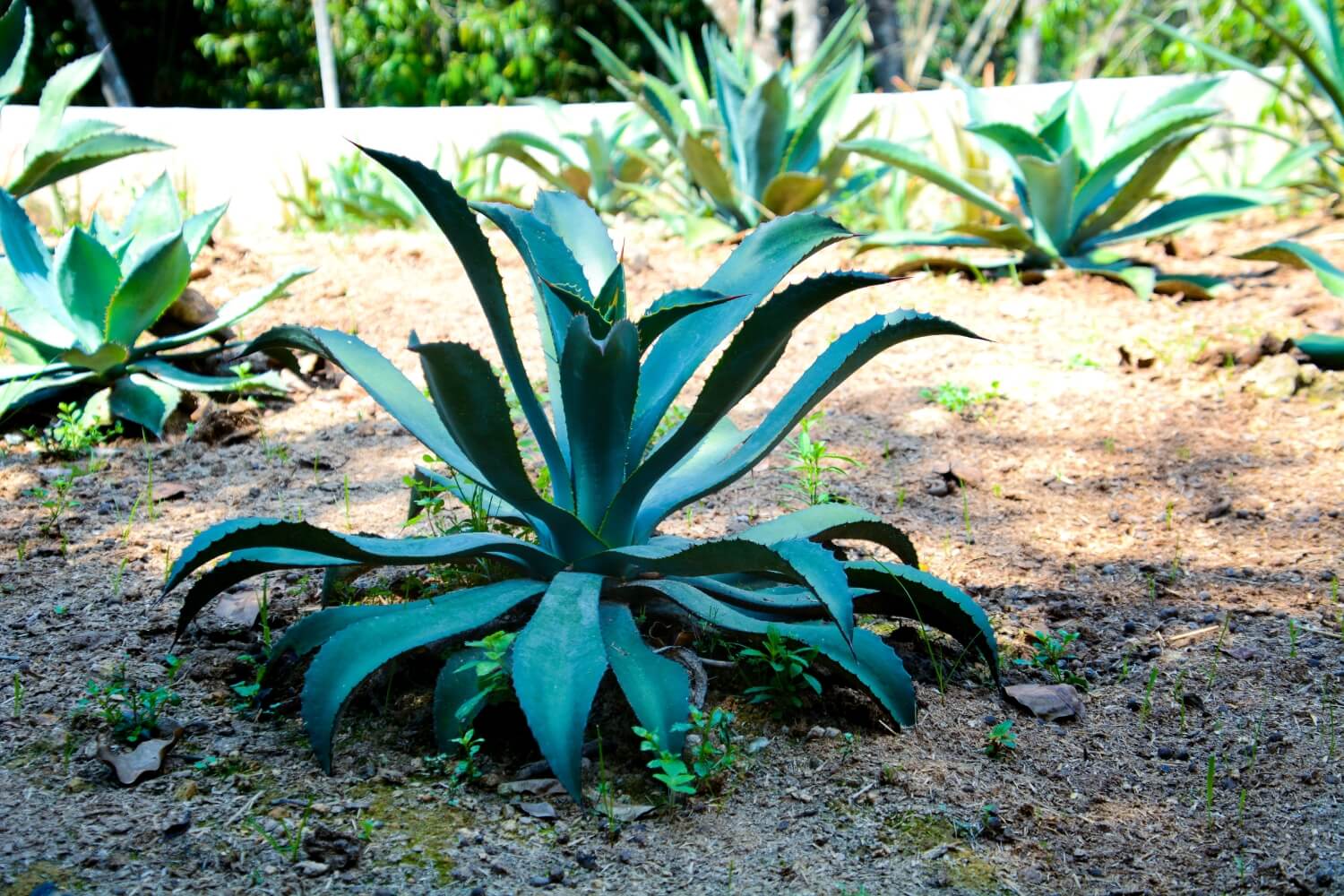
Think you’ve seen it all in the plant world? Think again. Mother Nature’s got a wild side, and she’s not afraid to show it off. From flowers that look like birds to succulents playing dress-up as stones, the plant kingdom is full of surprises that’ll make you do a double-take. Get ready to meet some of the quirkiest characters in the botanical world – these aren’t your average garden-variety plants. They’re the rebels, the tricksters, and the showstoppers that prove nature’s got a sense of humor and a flair for the dramatic. So, let’s dive into this green (and not-so-green) wonderland where nothing is quite what it seems.
The Oxalis
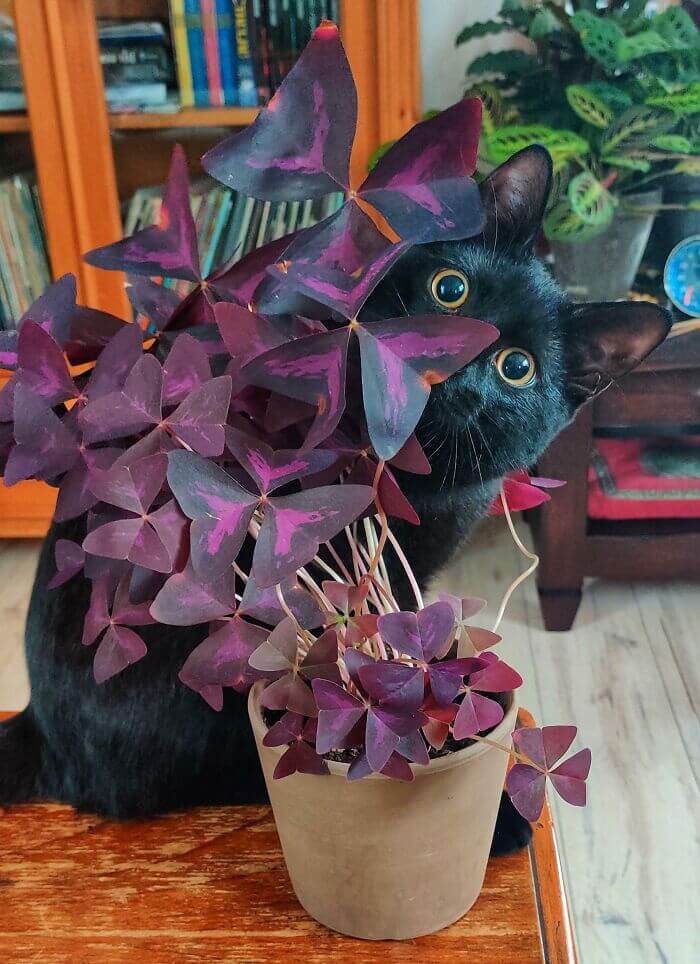
You’re all set to take a perfect shot of your Oxalis plant, and bam! Henk the furry friend decides it’s his moment to shine. Talk about a natural-born scene-stealer! This isn’t just any old plant pic – it’s a slice of life that’ll have you grinning from ear to ear.
Oxalis, or wood sorrel as some folks call it, is a pretty common sight in gardens. But don’t let that fool you – these little guys have some tricks up their sleeves. Their leaves actually fold up at night, like they’re tucking themselves in for a good night’s sleep. It’s almost as if they’re saying, “Wake me up when it’s time for my close-up!”
Living Stones
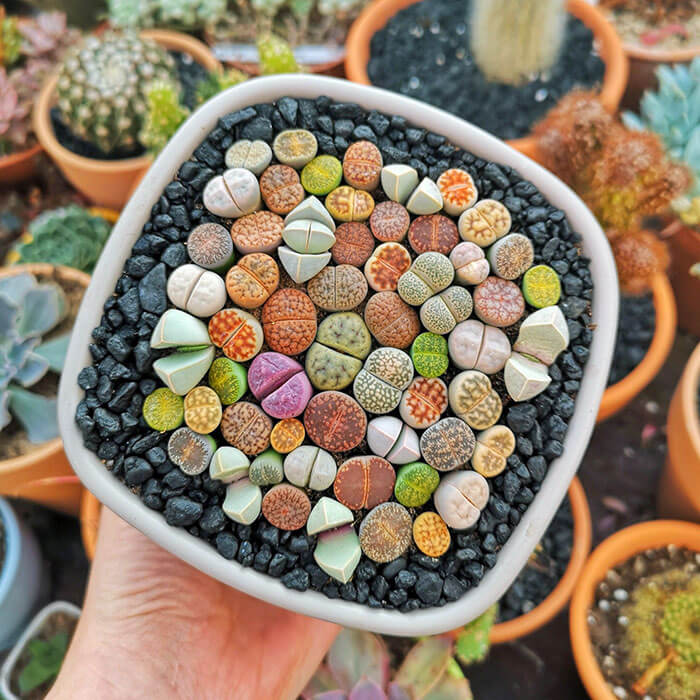
Ever stepped on what you thought was a pebble, only to find out it’s actually a plant? Welcome to the wild world of Lithops! These crafty little succulents are nature’s ultimate masters of disguise.
Hailing from the sun-baked lands of southern Africa, Lithops have perfected the art of blending in. They look so much like the rocks around them that even the hungriest of animals might just walk on by. It’s not vanity – it’s survival, baby!
But don’t think Lithops are all about hiding. When it’s time to bloom, they put on quite the show. Bright yellow or white flowers pop up from what seemed like plain old stones. It’s like nature’s own magic trick, right there in the desert.
Echeveria
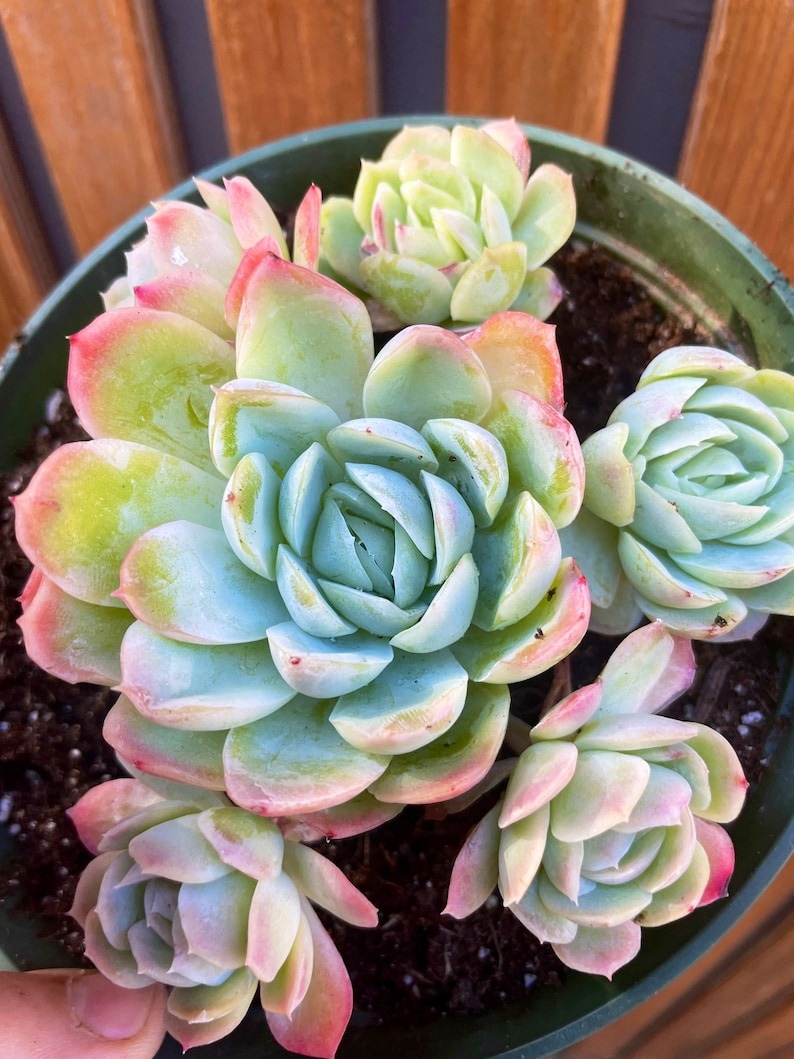
If succulents could write valentines, Echeveria would be the smooth-talking charmer of the bunch. These plants don’t just grow – they strut their stuff like they’re on a botanical catwalk.
Echeveria shows off with rosettes of fleshy leaves in dreamy shades of blue, pink, and purple. They’re arranged so perfectly, you’d think Mother Nature used a protractor. But the real showstopper? That’s when they bloom. Echeveria flowers burst out in clusters, often sporting warm hues that pop against their cool-toned leaves.
Don’t be fooled by their good looks, though. These pretty plants are tough cookies. They can store water in their leaves like champs, ready to weather any dry spell that comes their way. It’s like nature decided to package beauty and grit in one adorable plant bundle.
Albino Oak
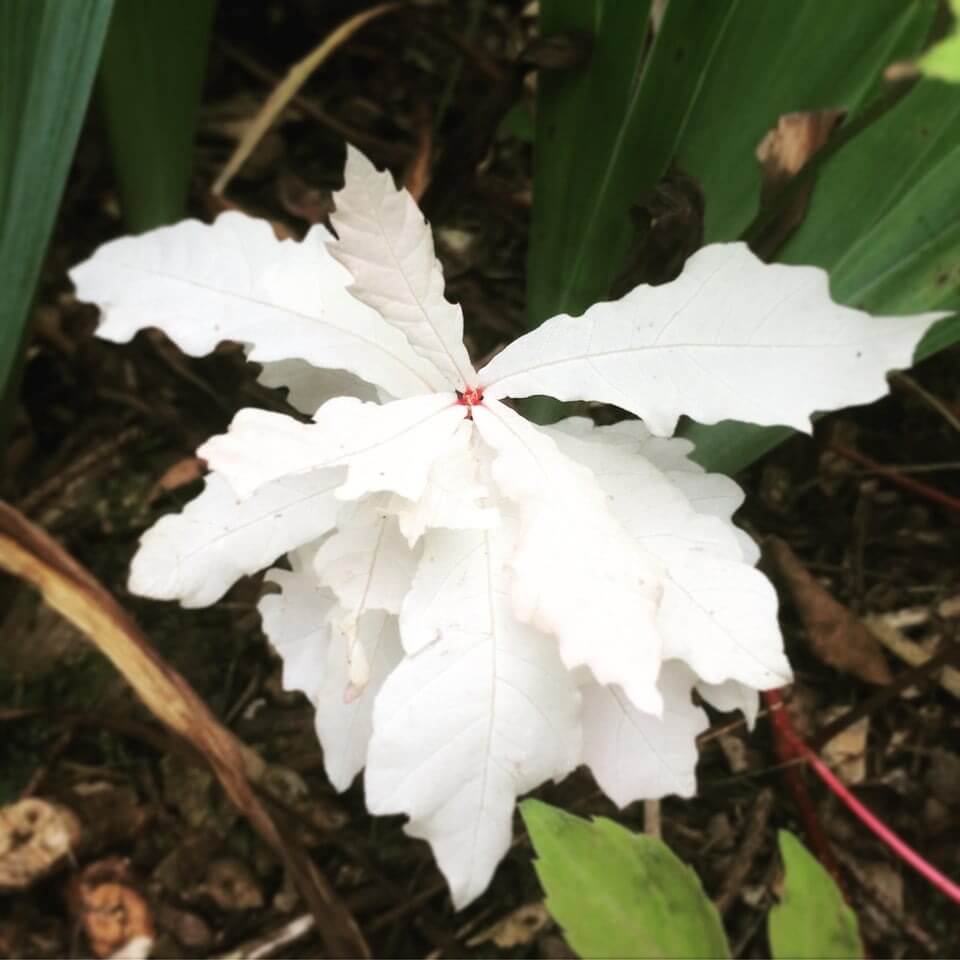
Spotting an albino oak is like finding a unicorn in the woods. These rare trees stand out with their ghostly white leaves, a stark contrast to the usual sea of green. Albino oaks lack chlorophyll, the pigment that gives plants their green color and helps them make food. It’s a genetic quirk that makes them both beautiful and vulnerable.
Most albino oaks don’t survive long in the wild. Without chlorophyll, they can’t photosynthesize, relying instead on nutrients from nearby trees through connected root systems. They’re living proof that even in nature, sometimes it takes a village.
Flame Lily
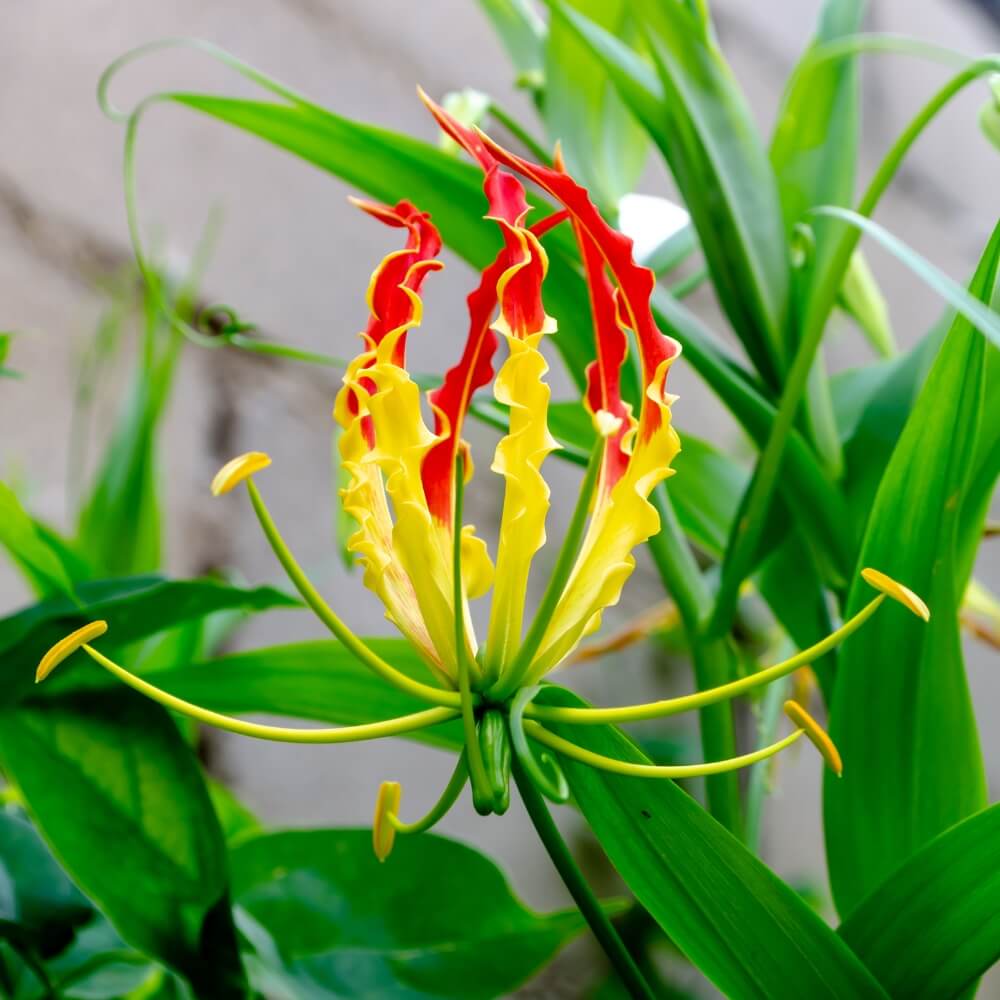
The Flame Lily doesn’t just grow – it erupts from the earth in a blaze of red and yellow. As Zimbabwe’s national flower, it’s a symbol of the country’s vibrant spirit and resilience.
But watch out! This beauty has a dangerous side. All parts of the Flame Lily are toxic, packing a punch that can be fatal if ingested. It’s nature’s way of saying “look, but don’t touch.”
In the wild, these flowers climb and twist around other plants, reaching heights of up to 10 feet. They’re like nature’s own fireworks display, bringing a burst of color to the African landscape.
Regal Birdflower

At first glance, you might think a flock of tiny birds has landed on this plant. Look closer – those aren’t birds, they’re flowers! The Regal Birdflower pulls off one of nature’s best optical illusions.
Native to Australia, this plant’s flowers bear an uncanny resemblance to hummingbirds in flight. It’s not just for show – this unique shape helps attract real birds and insects for pollination.
The Regal Birdflower isn’t just a pretty face in the garden. Indigenous Australians have used its roots as a food source for thousands of years. It’s a plant that feeds both the body and the imagination.
Lapidaria Margaretae
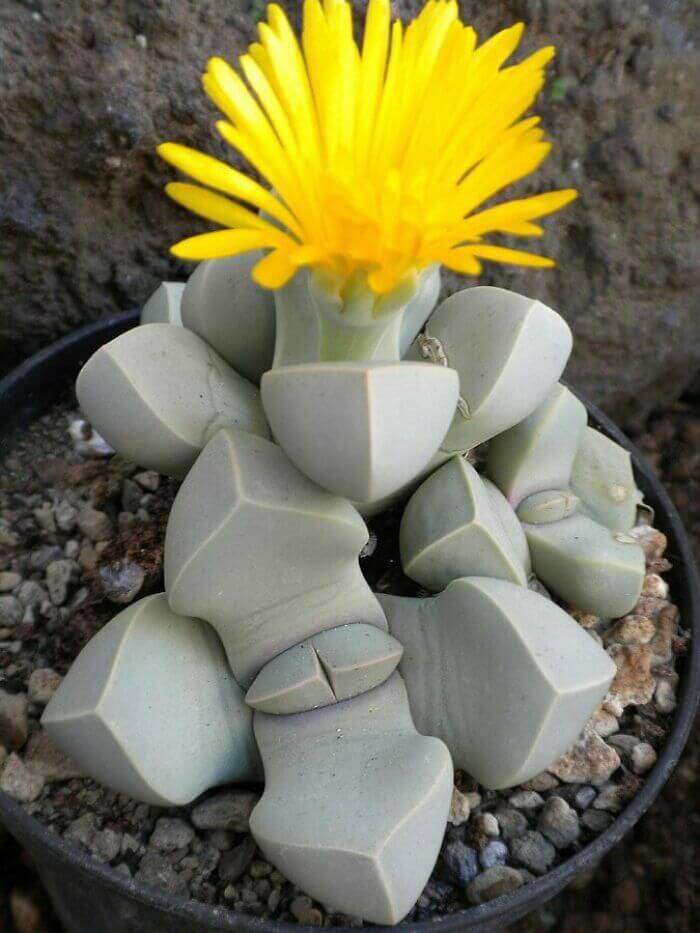
Lapidaria Margaretae takes “blending in” to a whole new level. These succulents look so much like stones, you might walk right past them. Their leaves grow in pairs, forming little rock-like clumps that could easily pass for pebbles scattered on the ground.
This clever camouflage isn’t just for show. It helps these plants survive in their harsh native habitat of South Africa. By mimicking stones, they avoid being eaten by animals on the hunt for a leafy snack.
When they bloom, Lapidaria Margaretae surprises with delicate yellow flowers. It’s like watching rocks come to life!
Blue Angel’s Trumpet
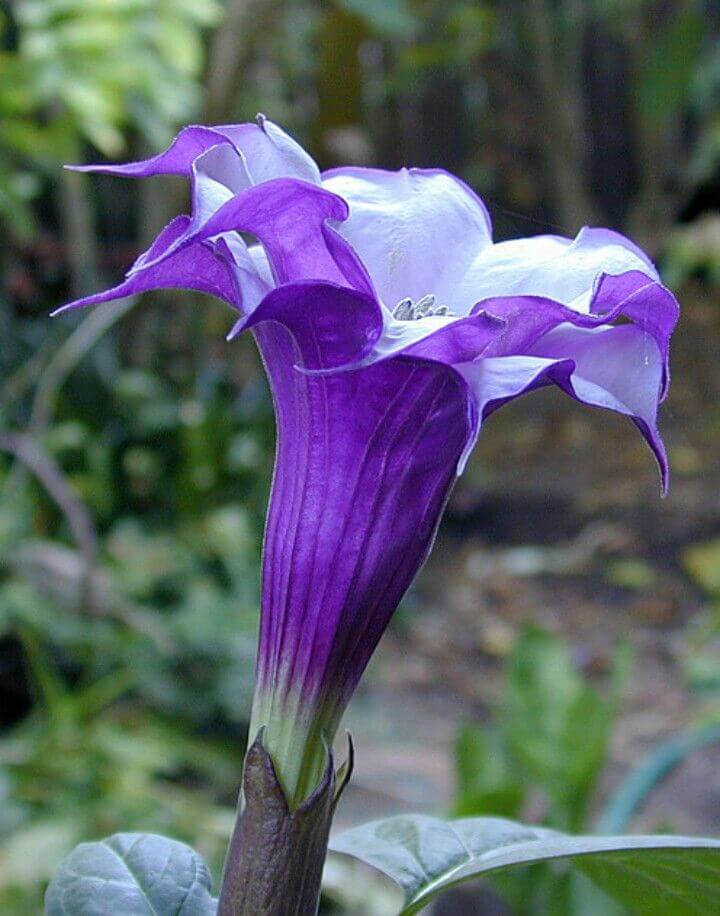
As day fades to night, the Blue Angel’s Trumpet puts on a show. These flowers dangle like magical chimes, their blue-purple hue deepening in the twilight.
Don’t let their beauty fool you. Blue Angel’s Trumpets are part of the Datura family, known for their toxic and hallucinogenic properties. They’re a reminder that in nature, beauty sometimes comes with a warning label.
These plants have a rich history in traditional medicine and rituals. Today, they’re mostly grown for their stunning looks, adding a touch of mystery to gardens around the world.
Hoya

Hoyas, also called wax plants, look good enough to eat. Their clusters of star-shaped flowers resemble strings of candy, complete with a sweet fragrance that’ll make your mouth water.
These plants are full of surprises. Some Hoya species can take years to bloom, but when they do, it’s worth the wait. Their flowers are so perfectly formed, they almost look artificial.
Hoyas are epiphytes, meaning they often grow on other plants in their natural habitat. In homes, they’re popular as hanging plants, their vines cascading down with glossy leaves and those irresistible blooms.
