
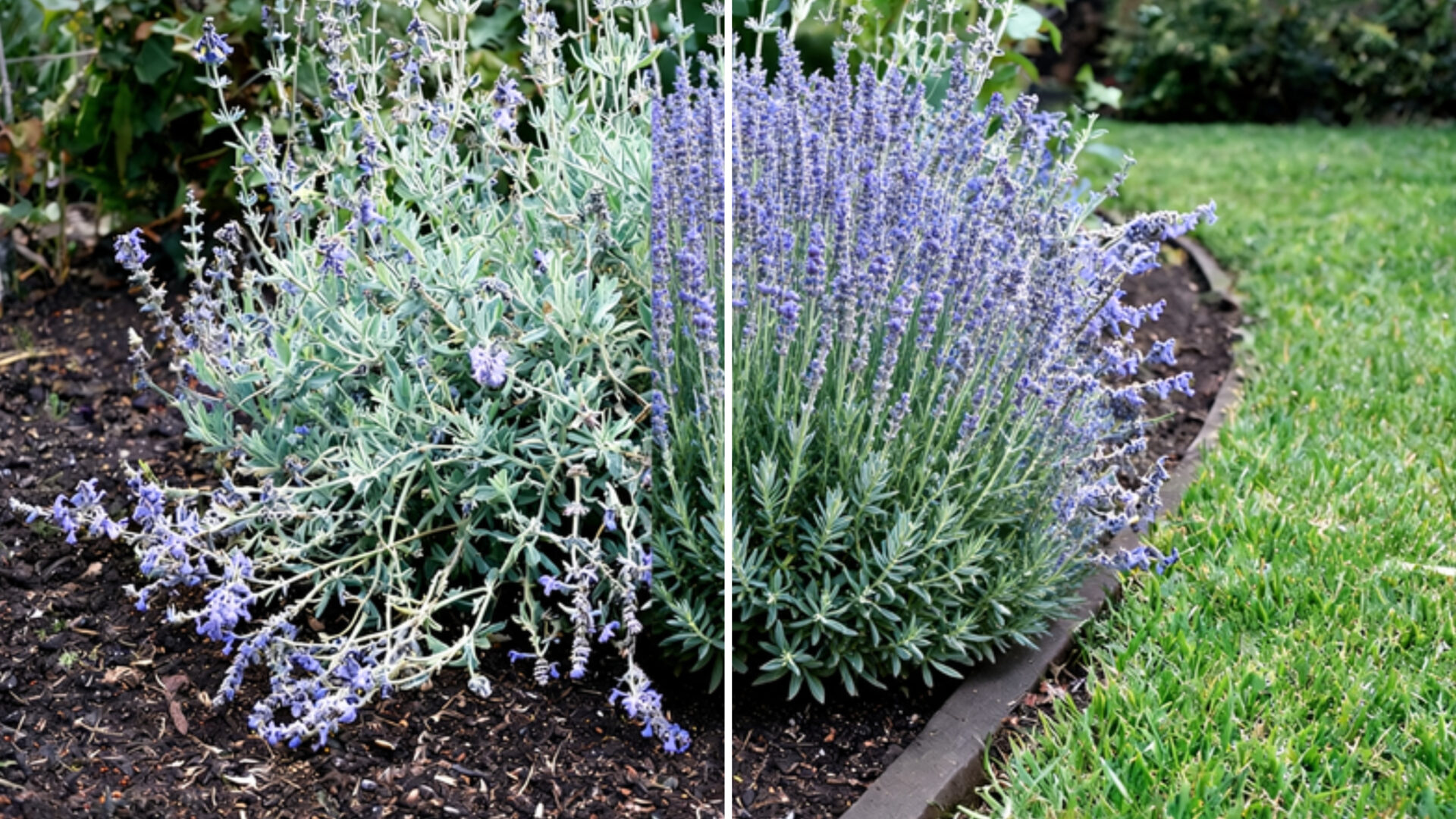
Most perennials are one good haircut away from a second show. Catmint, salvia, coreopsis, and their kind bloom hard in June, then sprawl into a tired, leggy mess by early July. Leave them alone and that’s the season. Cut them back this week, and you’ll have fresh buds opening by August.
Gardeners hate making this cut. It feels brutal, lopping off half a living plant in the middle of summer. But that trim is exactly what tells the roots to start over.
Here are the seven perennials that repay the haircut fastest, and how far down to cut each one.
Catmint
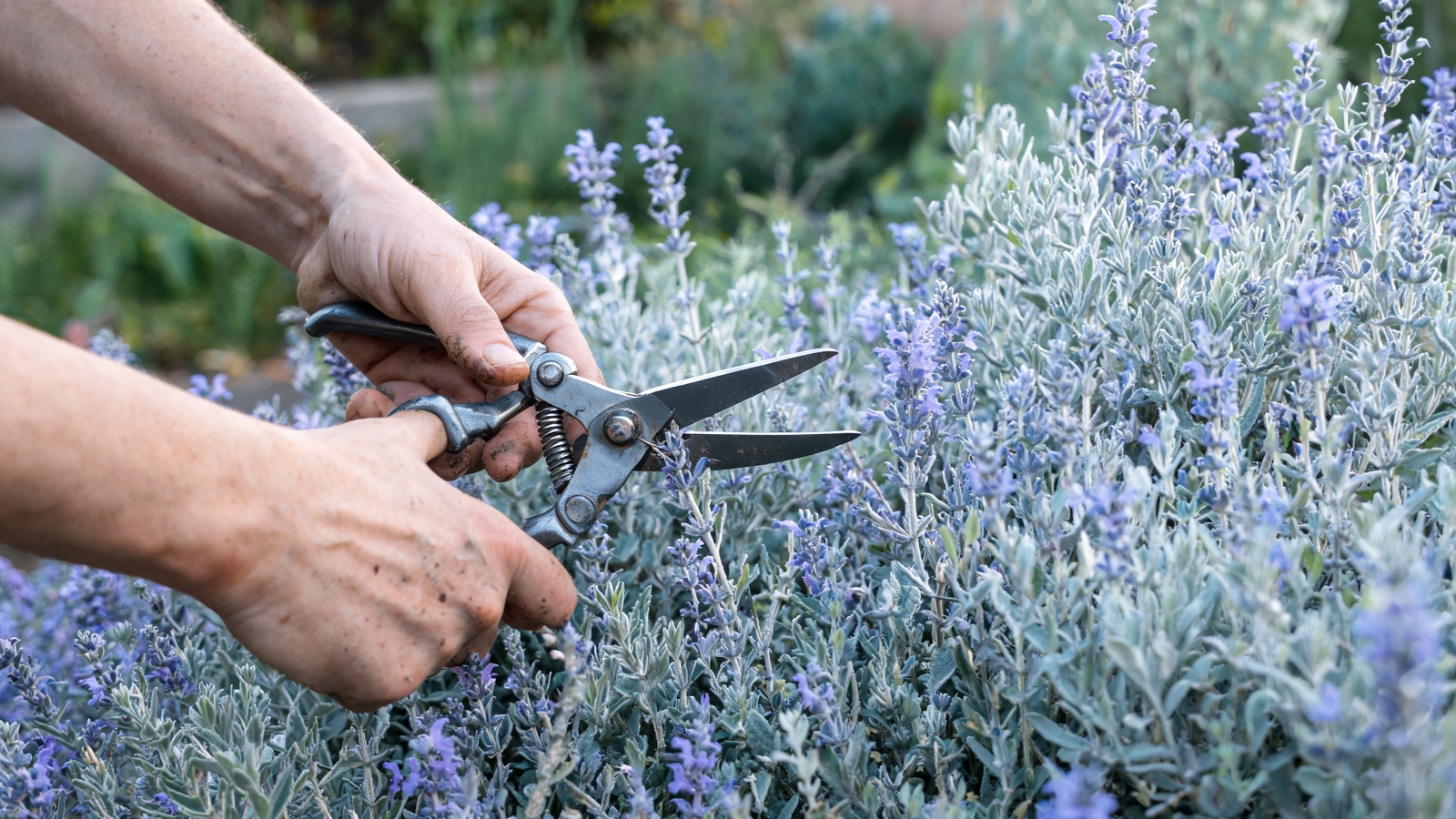
Grab your shears and cut the whole sprawled mound back by half. Catmint looks alarming for about a week, then fresh silver-green growth covers the stubs, and by early August it’s a tidy dome in full lavender-blue bloom again. It’s the fastest payoff on this list. Water deeply after the cut to push the new growth along, and skip the fertilizer, catmint doesn’t need it.
Perennial Salvia
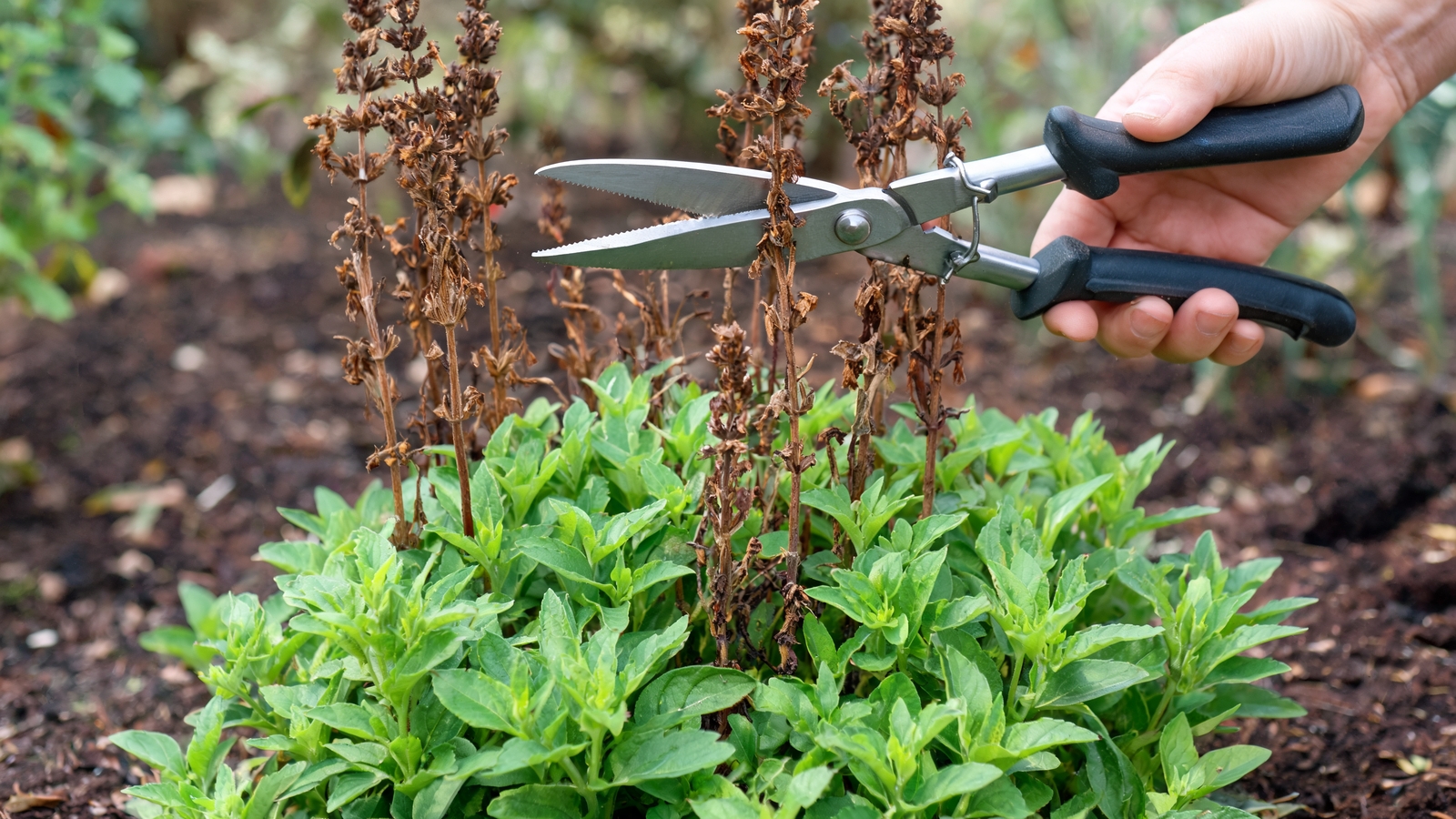
Those purple spikes that went brown and woody in June? They’re done, and the plant knows it. Follow each spent spike down to the first pair of fresh leaves and cut there, or shear the whole clump by half if you’re short on patience. ‘May Night’ and its cousins push new spikes in three to four weeks. The second flush runs smaller but lasts well into September.
Hardy Geranium
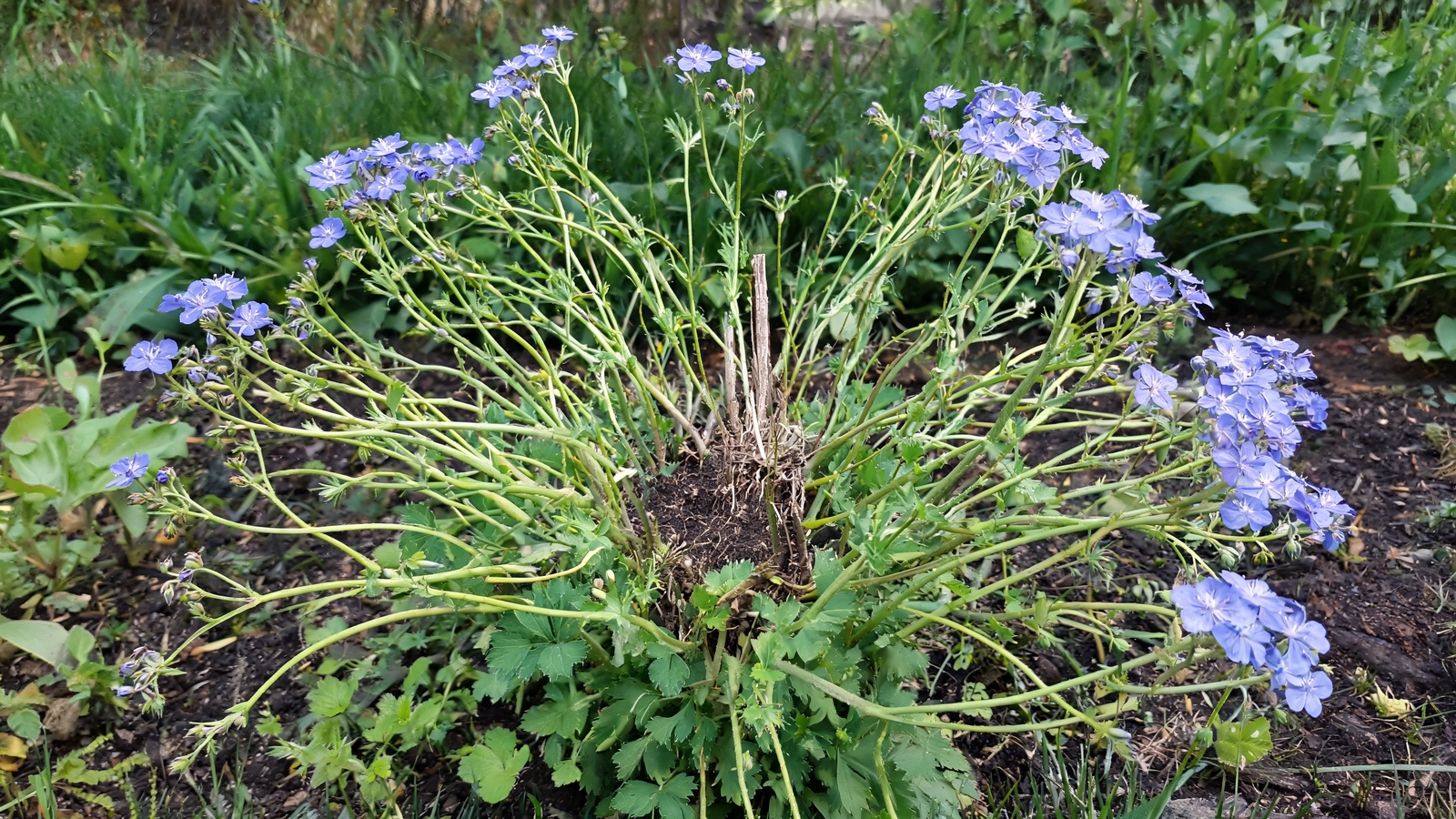
By July, most cranesbills look like someone sat on them, a doughnut of floppy stems with a bald center. Cut the whole thing to 3 or 4 inches, right over the crown. New leaves appear within two weeks, and varieties like ‘Johnson’s Blue’ follow with a fresh round of flowers. And if you grow ‘Rozanne’, lucky you, she blooms all summer without the haircut.
Coreopsis
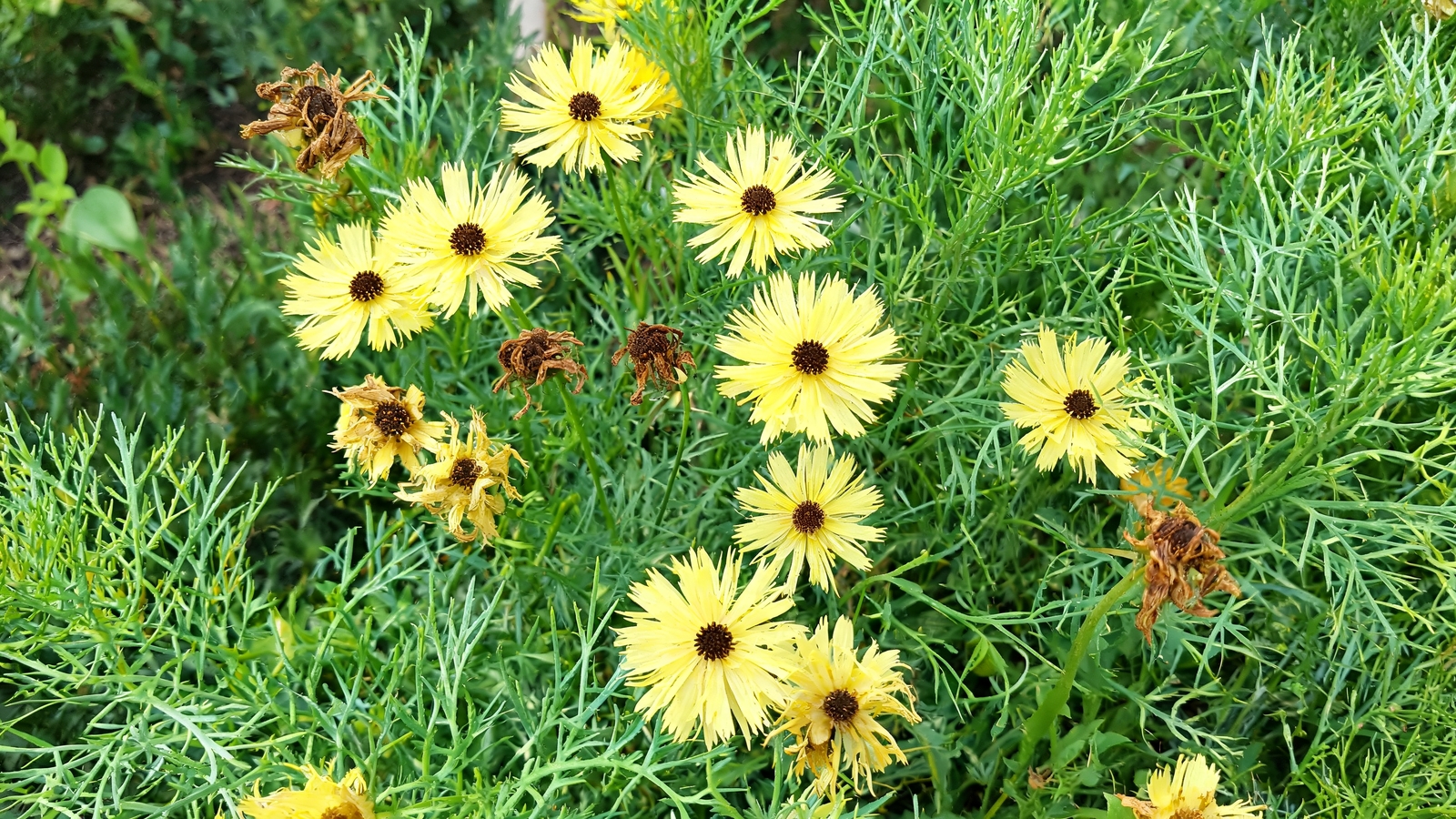
Don’t deadhead coreopsis one flower at a time. Life’s too short. When the first wave of blooms browns out, shear the whole plant back by a third and let it regrow. Threadleaf types like ‘Moonbeam’ come back into bloom in two to three weeks and keep going until frost. A deep drink after shearing speeds the whole thing up.
Yarrow
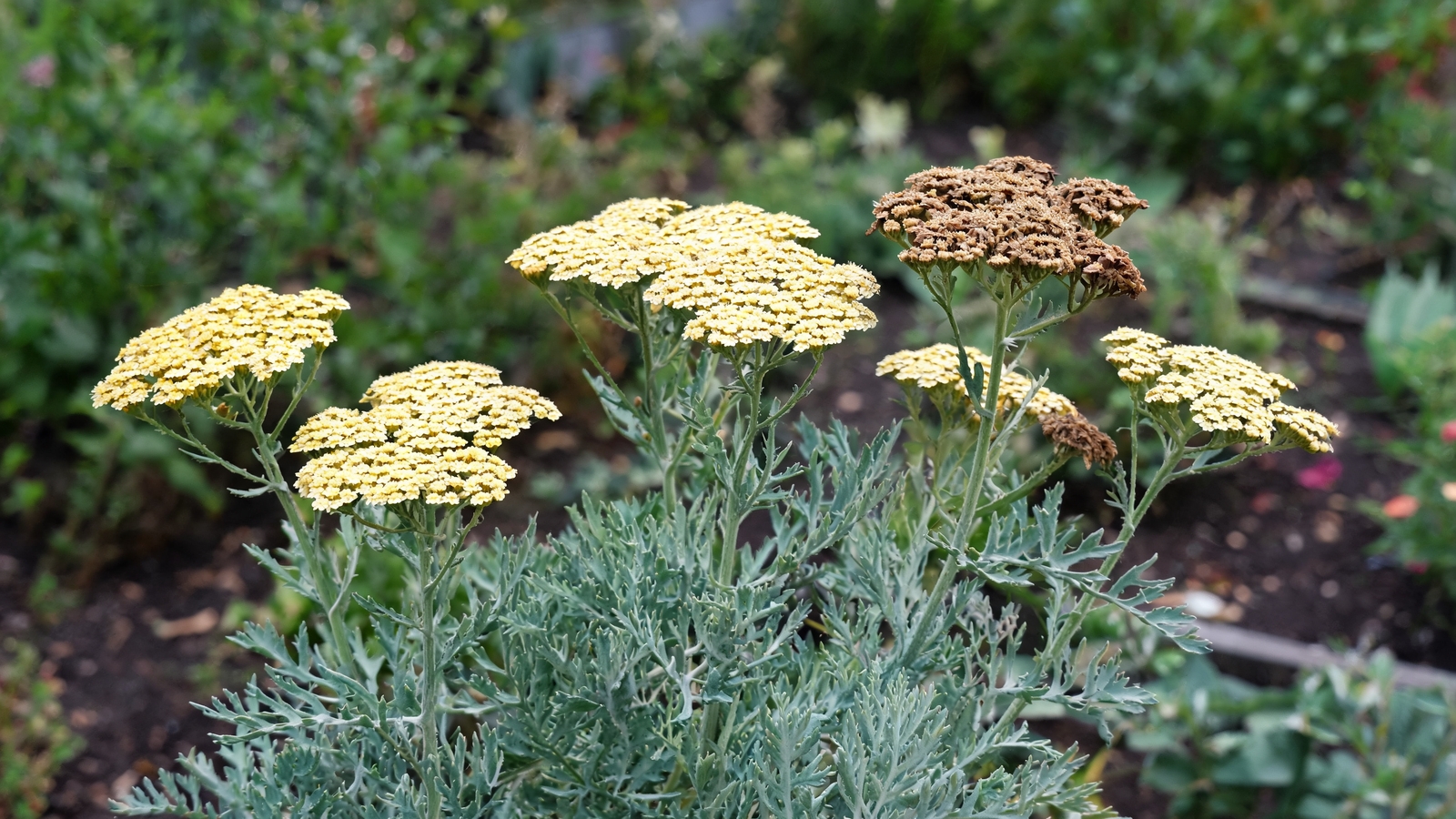
Yarrow blooms on a schedule, not a whim. Once those flat flower heads fade to brown, the plant is finished unless you step in. Cut each spent stalk down to the ferny basal leaves, and side shoots will carry a second, smaller wave in late summer. It’ll shrug off the worst July heat while it regrows, too.
Dianthus
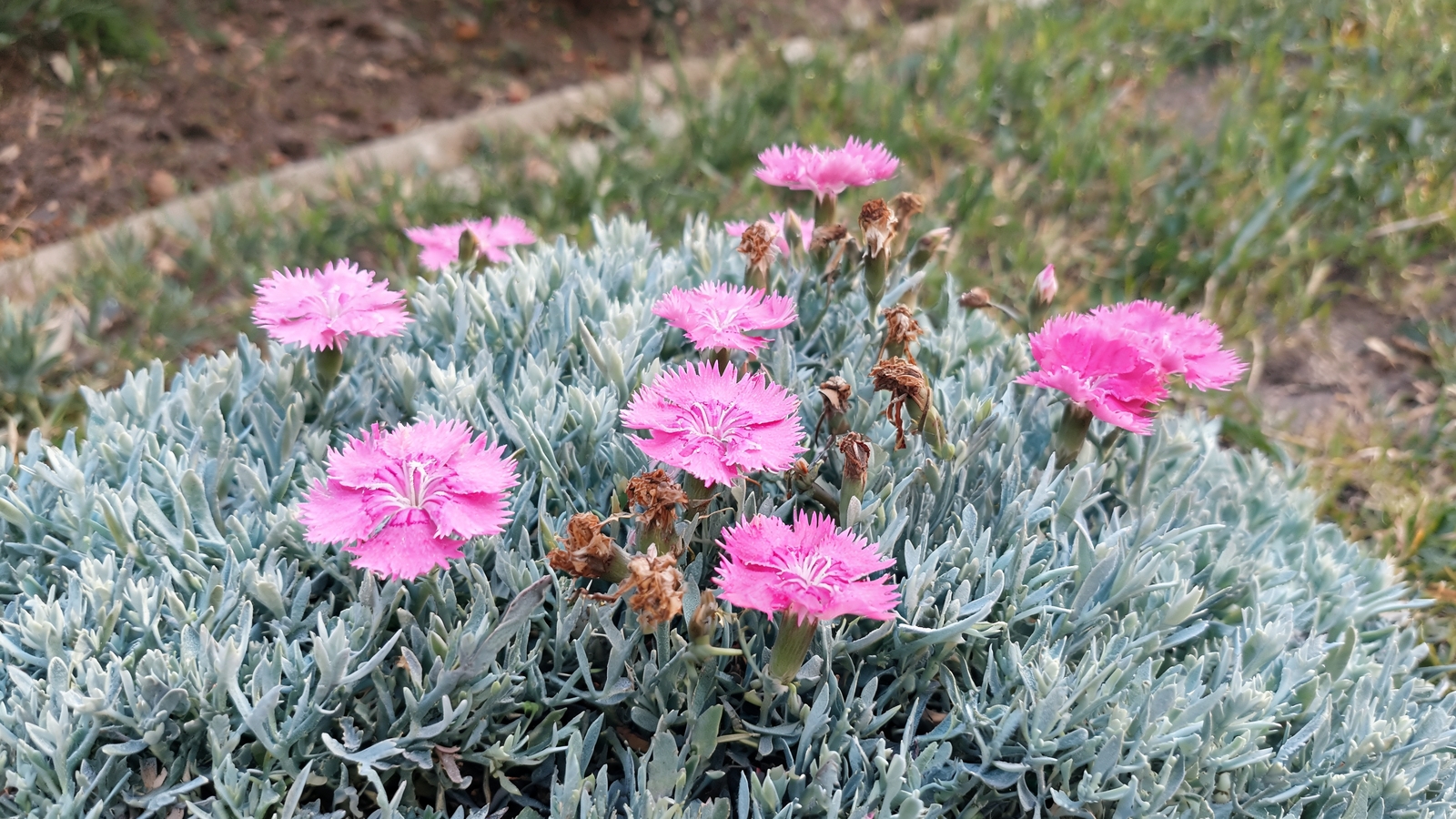
Dianthus quits by mid-July if you let it, and spends the rest of summer as a gray-green pincushion. Once the first flush of those clove-scented flowers fades, trim all the spent stems back to the foliage mound, taking about a third of the plant’s height. ‘Firewitch’ and similar varieties answer with a fresh scatter of bloom in three to four weeks.
Bee Balm
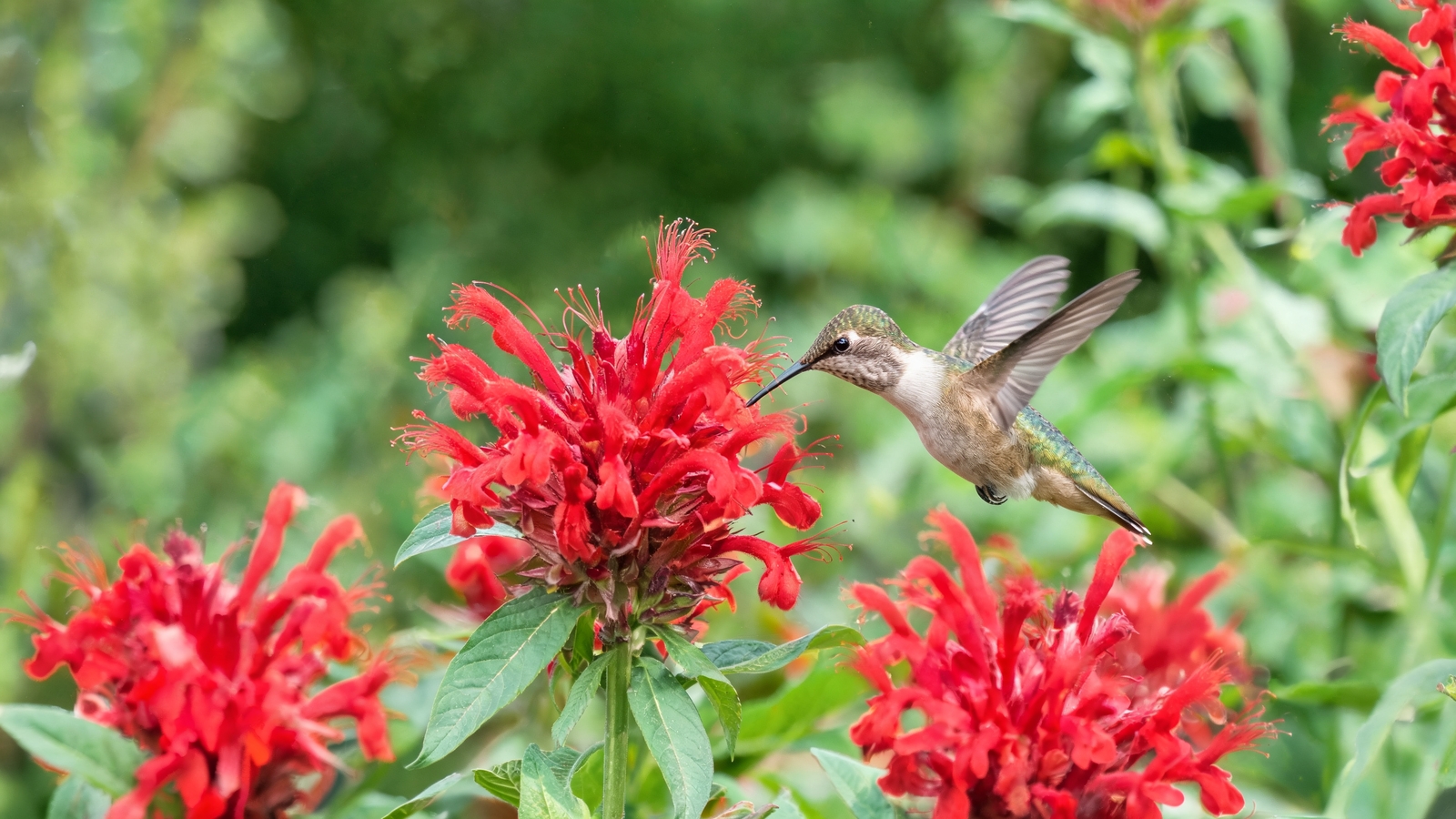
Hummingbirds will thank you for this one. Snip each faded bee balm head back to the pair of side buds just below it, and those buds open within weeks, stretching the nectar season deep into August. If powdery mildew has already chalked up the leaves, be ruthless instead: cut affected stems near the ground and let clean growth replace them.
