
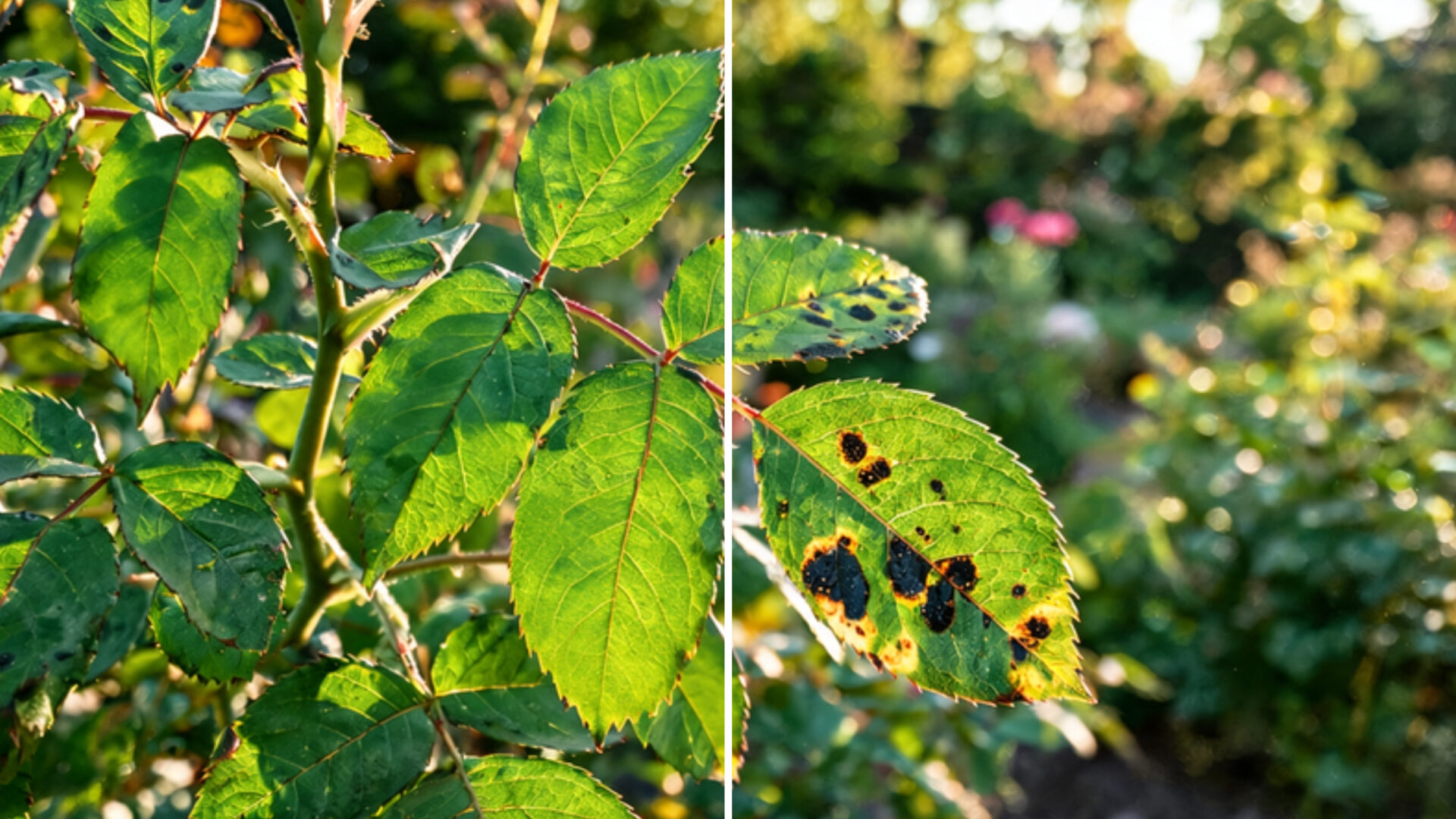
Your garden isn’t dying of thirst this month. It’s dying of the way you water — the nightly sprinkle, the noon rescue mission, the spray aimed at the leaves instead of the roots. Those habits feel like care. Most of them weaken roots or invite fungus, and one of them drowns plants that were only hot, not dry.
July is when the bill comes due. A routine that carried your full-sun annuals through June will quietly wreck them once the thermometer parks above 90°F.
But every one of these mistakes has a two-minute fix. Here are the eight doing the most damage right now.
Watering a Little Every Night
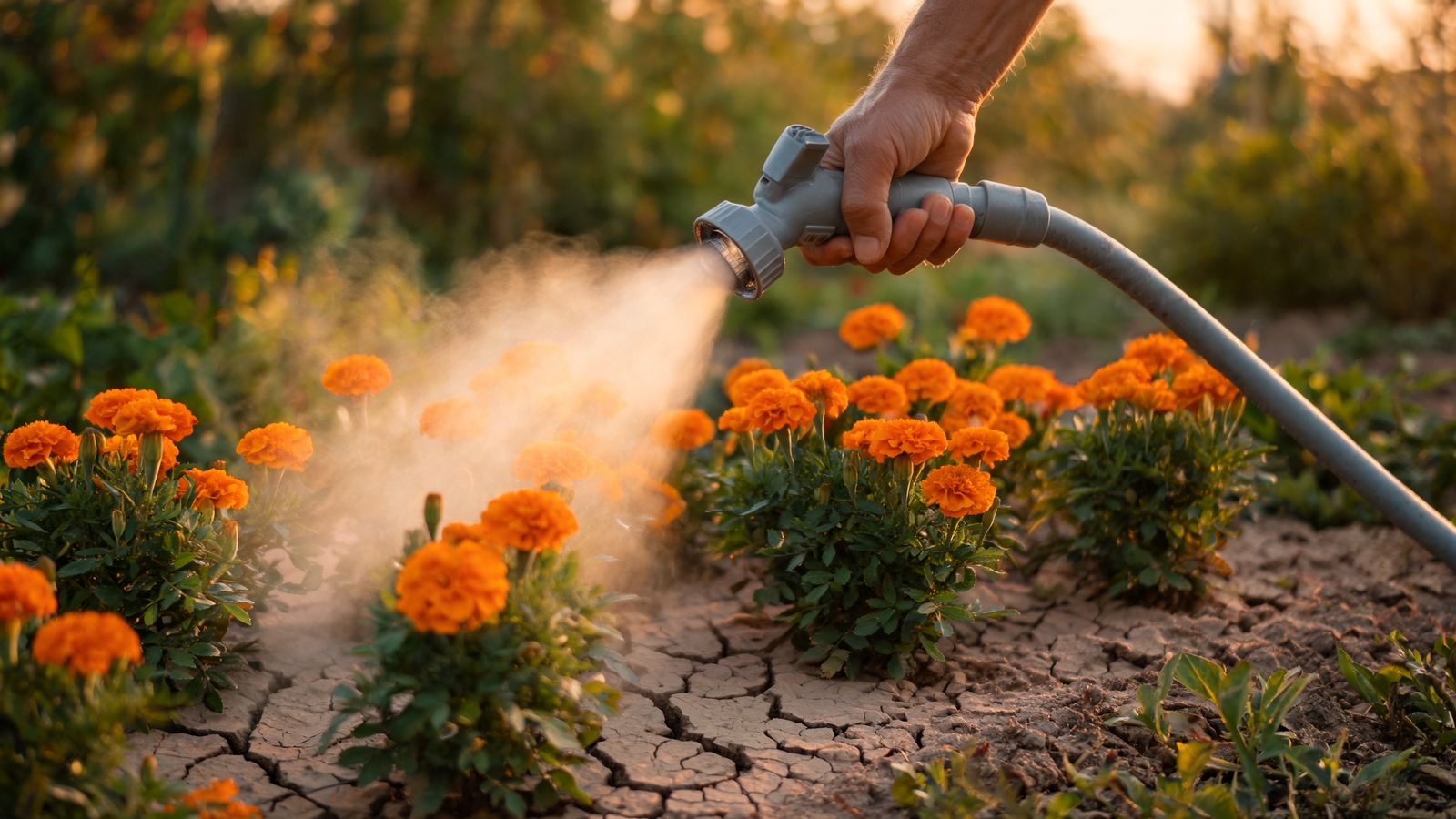
Skip the nightly sprinkle. Seriously. A light misting wets the top inch of soil, so your plants’ roots crowd up toward the surface where the water is. And shallow roots are the first thing to cook when a heat wave rolls in. Water deeply two or three times a week instead, about 1 inch total, then test it: a screwdriver should slide 6 inches into damp soil without a fight.
Watering After Dinner
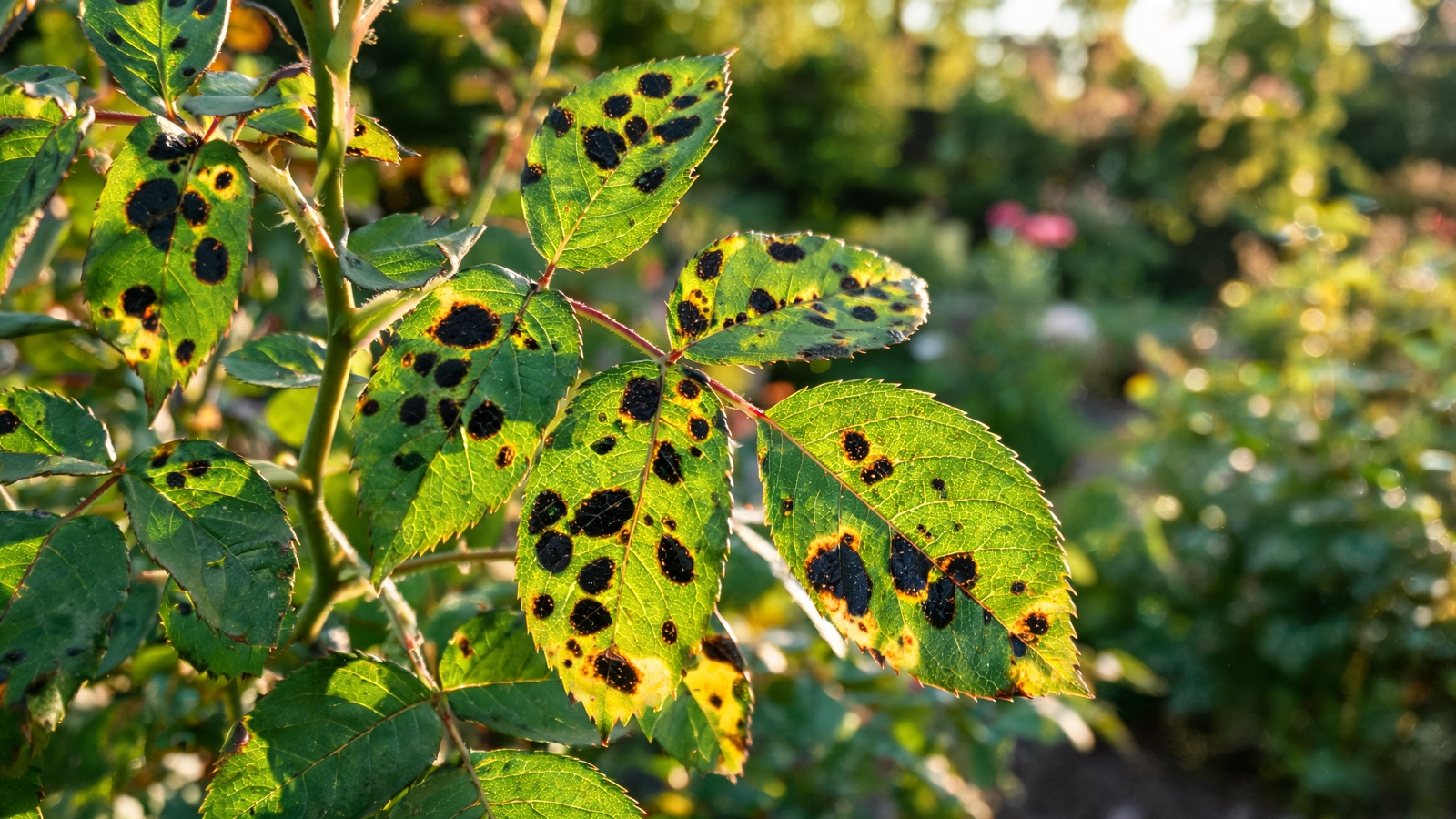
Those black spots peppering your rose leaves were born on a wet night. Leaves that go into the night wet stay wet till sunrise, and that’s the window black spot and leaf spot need. Watering after dinner feels thrifty, since nothing evaporates. But it trades a little saved water for a lot of fungus. Finish before 10 a.m. and let the morning sun dry your leaves for free.
Rescue-Watering Every Wilted Leaf at Noon
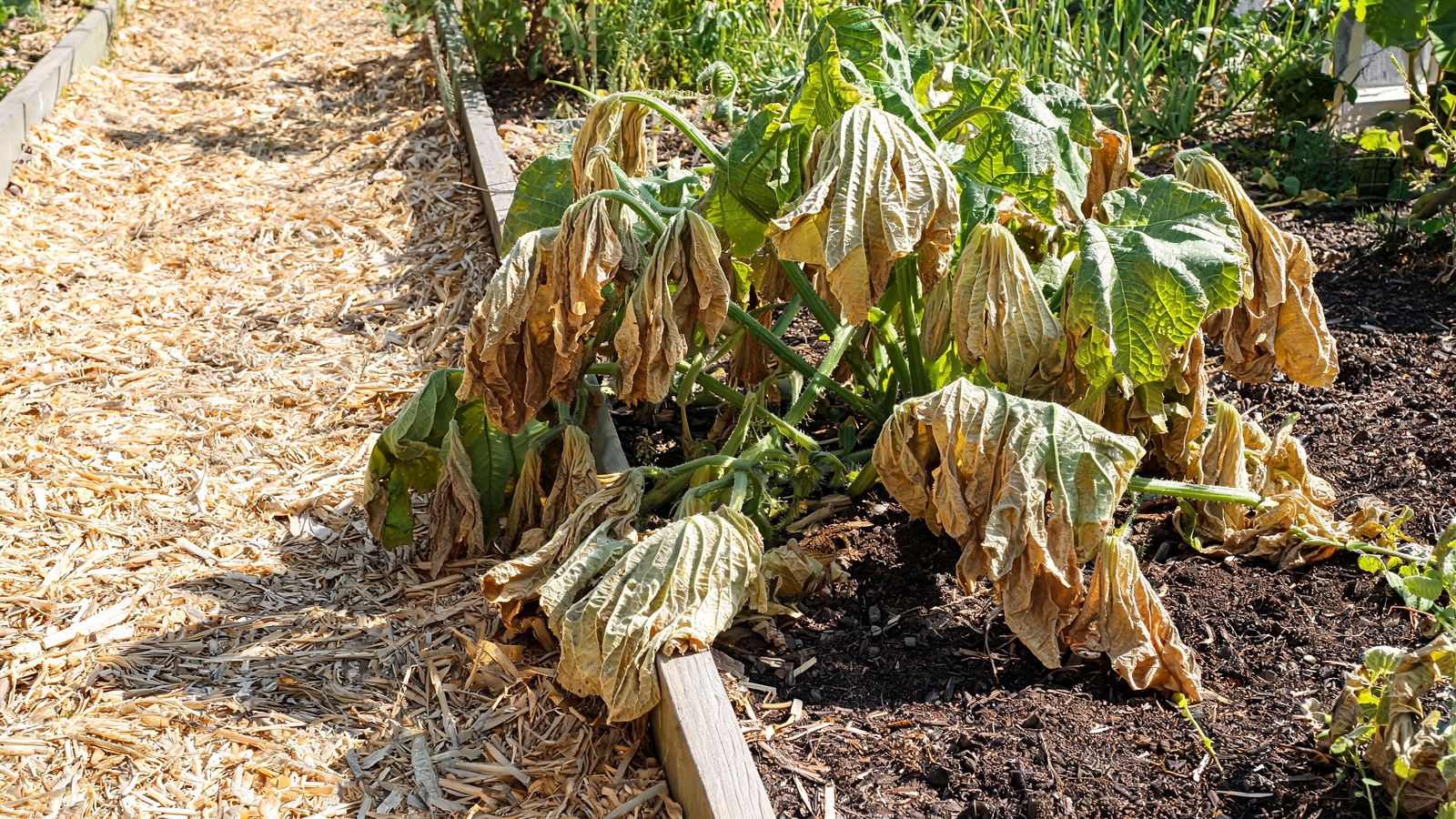
The squash that’s flopped over at 3 p.m. looks desperate, but it probably isn’t thirsty. Big-leafed plants like squash and hydrangeas let their foliage droop in brutal heat to save water, then perk back up by evening. Drenching them anyway keeps the soil soggy and invites root rot, which is much harder to undo than a dry spell. So poke your finger 2 inches down first. Damp? Walk away and check after dinner.
Spraying the Leaves Instead of the Soil
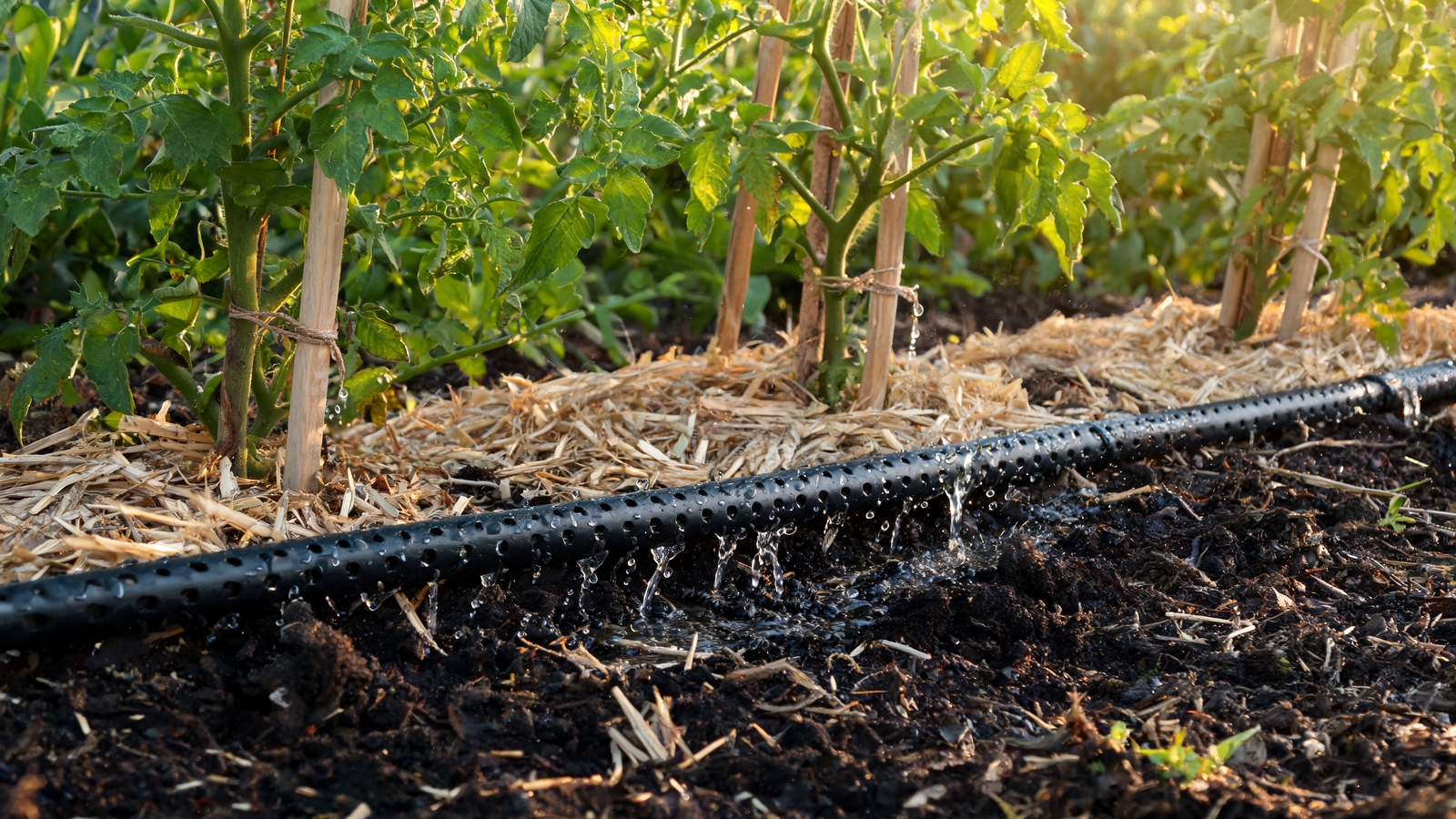
Point the hose at the soil, not the plant. Water sitting on leaves never reaches the roots, and on your tomatoes it splashes blight spores from the soil straight onto the lower foliage. A soaker hose tucked under the mulch fixes both problems at once, and it’s the best $25 you’ll spend on the garden this year. If you hand-water, slide the wand under the canopy and take your time.
Treating Pots Like Garden Beds
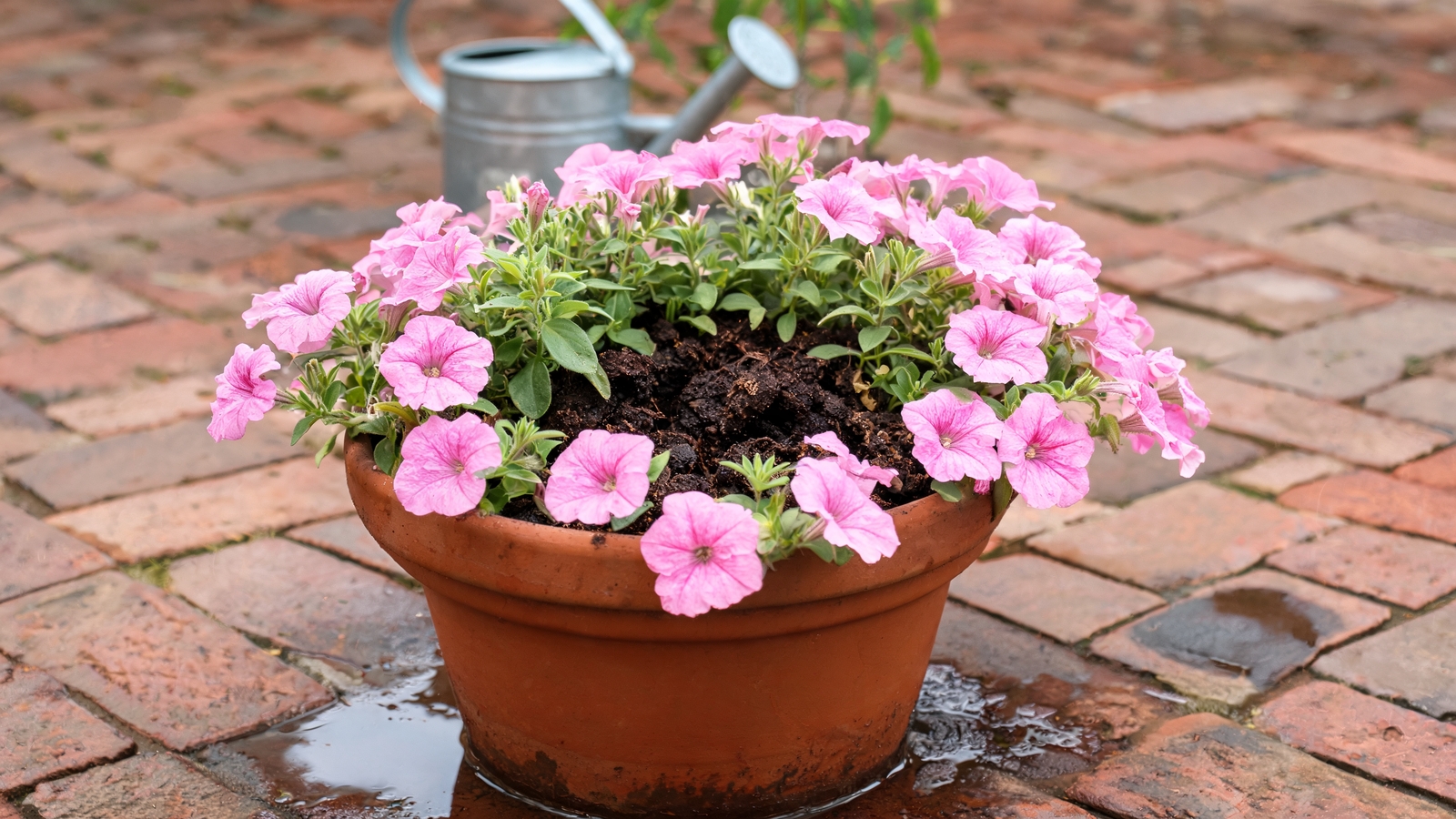
Containers play by meaner rules. A 12-inch pot in full July sun can dry out in one day, and terracotta wicks water even faster than that. So water until it runs from the drainage holes, and on days above 90°F, check again before bed. One more trick: if the mix has shrunk away from the pot’s sides, bone-dry peat is repelling your water. Sit the whole pot in a tray of water for an hour instead.
Trusting the Thunderstorm
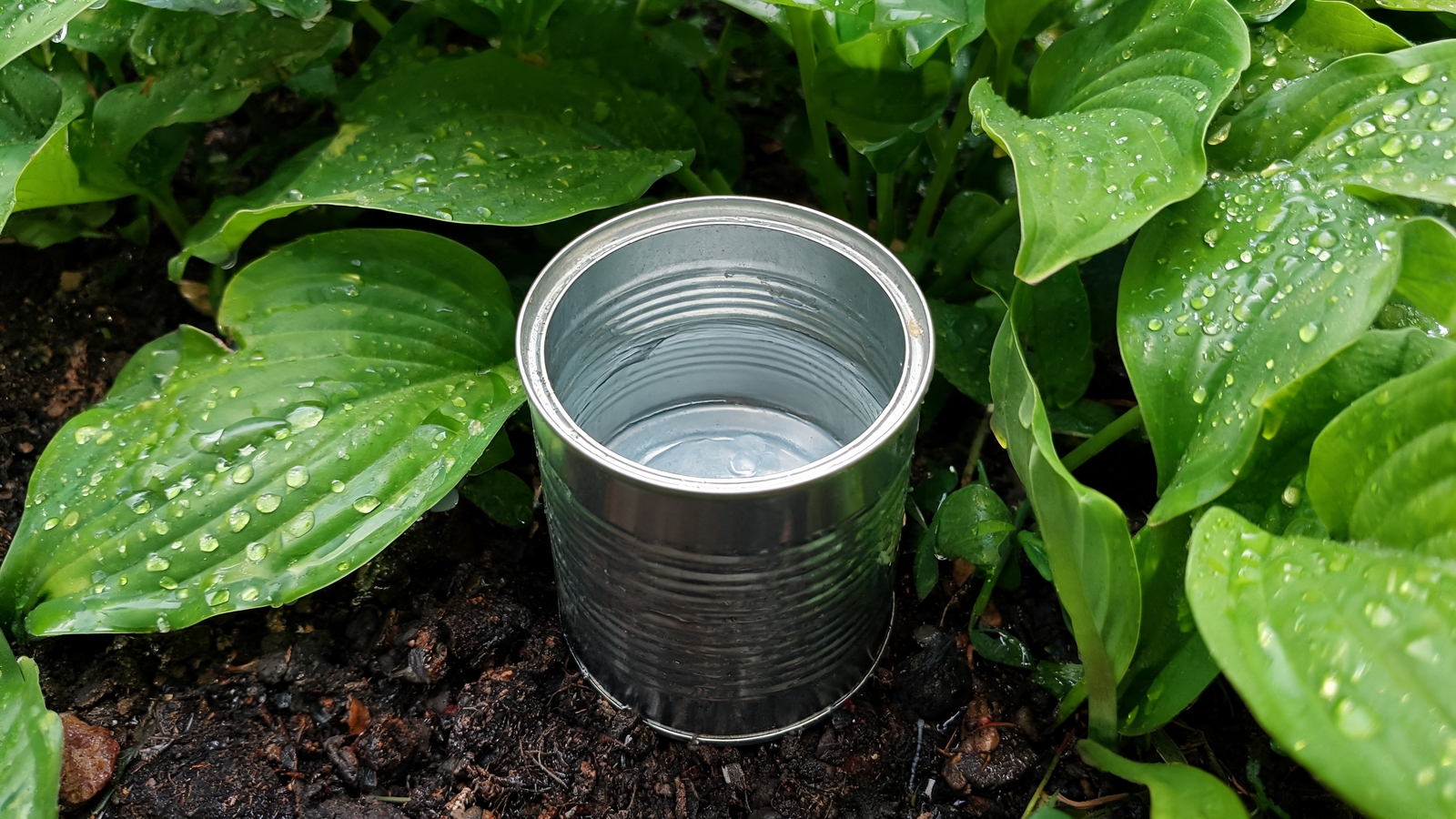
Don’t let a thunderstorm talk you out of watering. A loud 20-minute storm often drops less than a quarter inch, barely enough to wet the mulch, and your beds under trees catch almost nothing. Set an empty tuna can in the garden before the next storm rolls through. Less than half an inch in the can? Water like it never rained.
Watering at the Stem Instead of the Drip Line
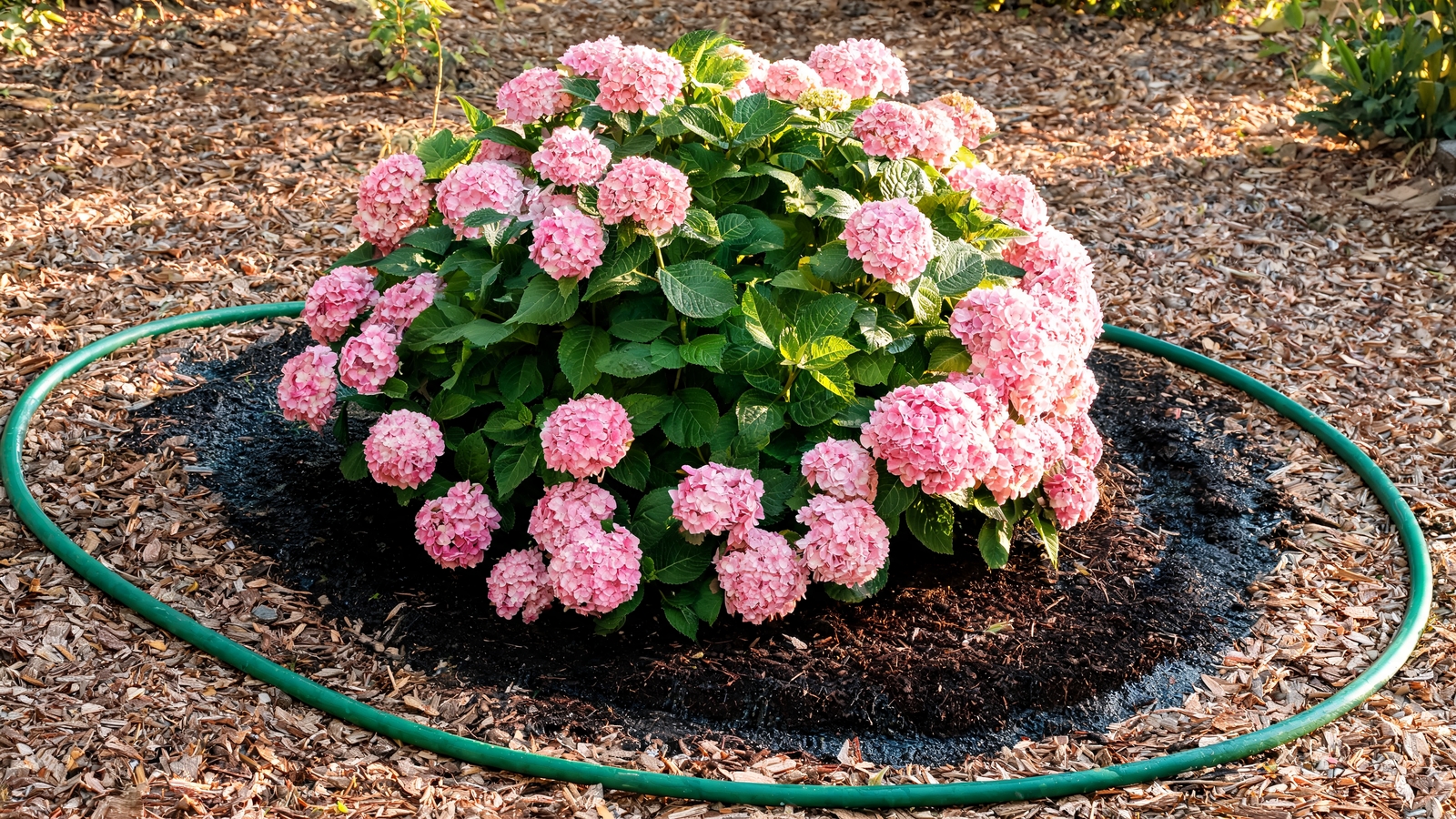
Roots don’t drink at the trunk. On an established shrub or a caged tomato, the feeder roots that do the real drinking sit out at the drip line, the circle under the outermost leaves, and past it. Pour water against the stem and you soak the crown, which invites rot, while those feeder roots stay dust dry. Lay your hose at the drip line and move it around the plant so the whole circle gets a turn.
Leaving Your Soil Bare
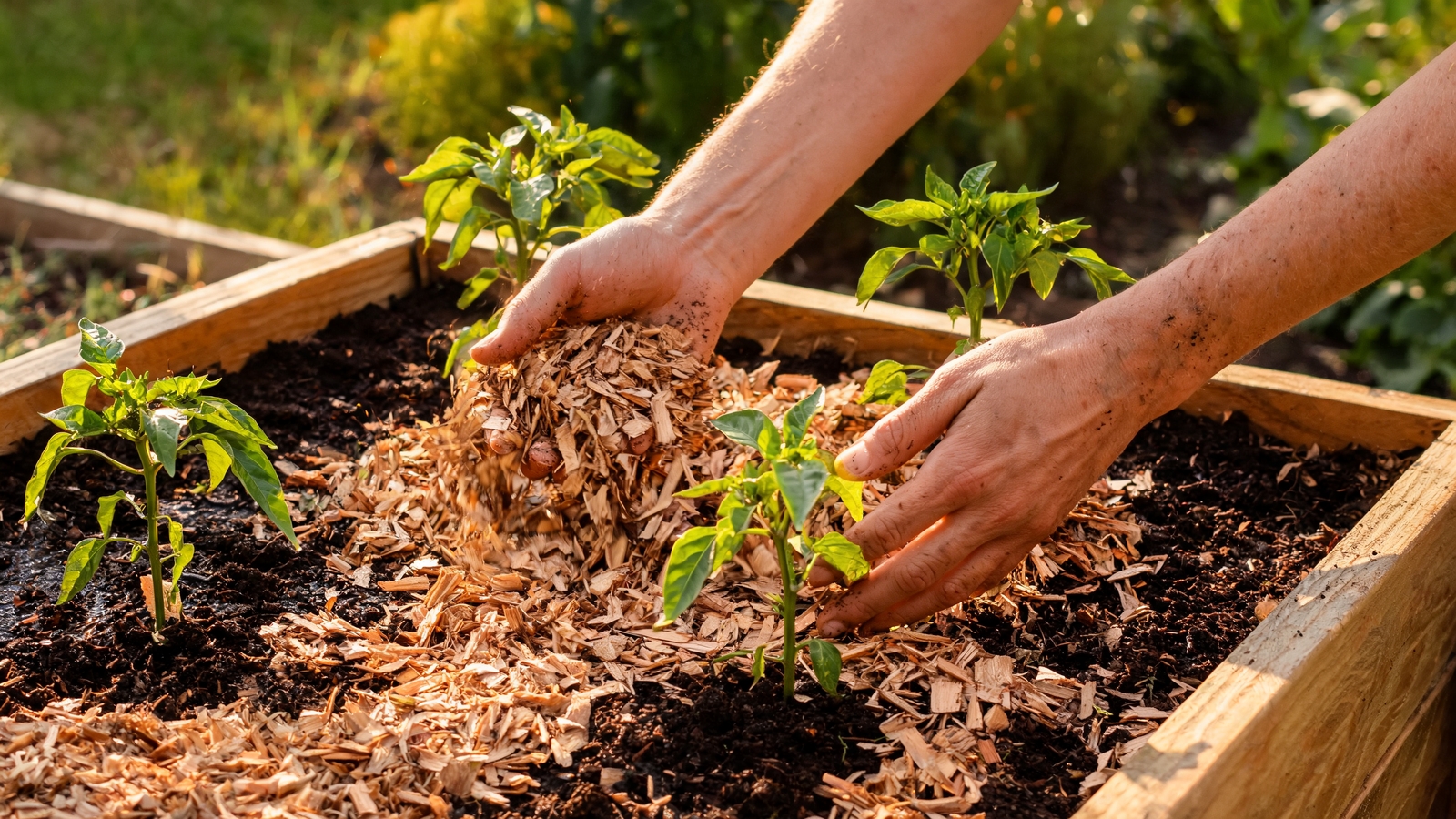
Bare soil bakes into a crust that sheds water like a sidewalk. Whatever does soak in evaporates within a day or two, so your careful weekly inch never reaches next week. Spread 2 to 3 inches of shredded bark or straw around your plants, and keep it a few inches off the stems so they don’t rot. It’s one afternoon of work that stretches every watering all summer.
