
Watching your lawn crisp up for the third summer in a row changes something in a gardener. Searches for drought-tolerant grass are spiking as this summer’s heat waves brown out bluegrass coast to coast, and the people giving up on thirsty turf are on to something: several ground covers stay green on a fraction of the water, and a few never need mowing again.
But here’s what most lists won’t tell you: only some of these can go in the ground this week. Others get planned now and sown when the heat breaks. And if you’re not ready to give up real grass entirely, zoysia is the drought-tough compromise.
Here are the seven worth ripping out lawn for, each with its honest planting window.
Buffalo Grass
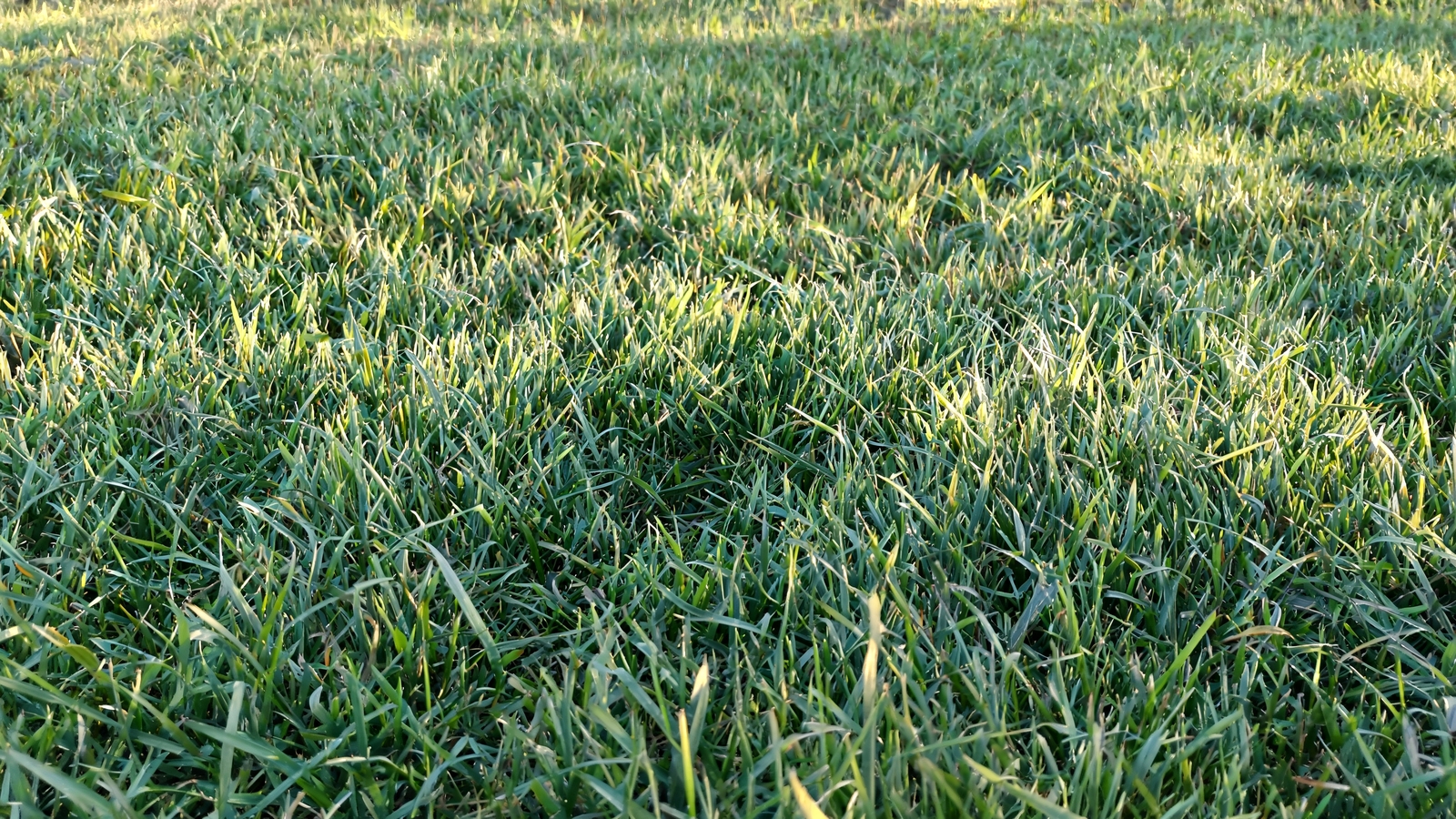
This is the one to seed this week. Buffalo grass is a native prairie species that runs on about half the water of Kentucky bluegrass, and it wants warm soil to germinate, so July is its window. Get seed down by the end of the month. Unmowed, it stands a soft 4 to 8 inches. Full sun only. Just know it goes tan after frost, that’s a prairie grass keeping honest hours.
- Hardiness Zone: 4-9
- Mature Height: 4-8 inches unmowed
- Growth Rate: Moderate
Creeping Thyme
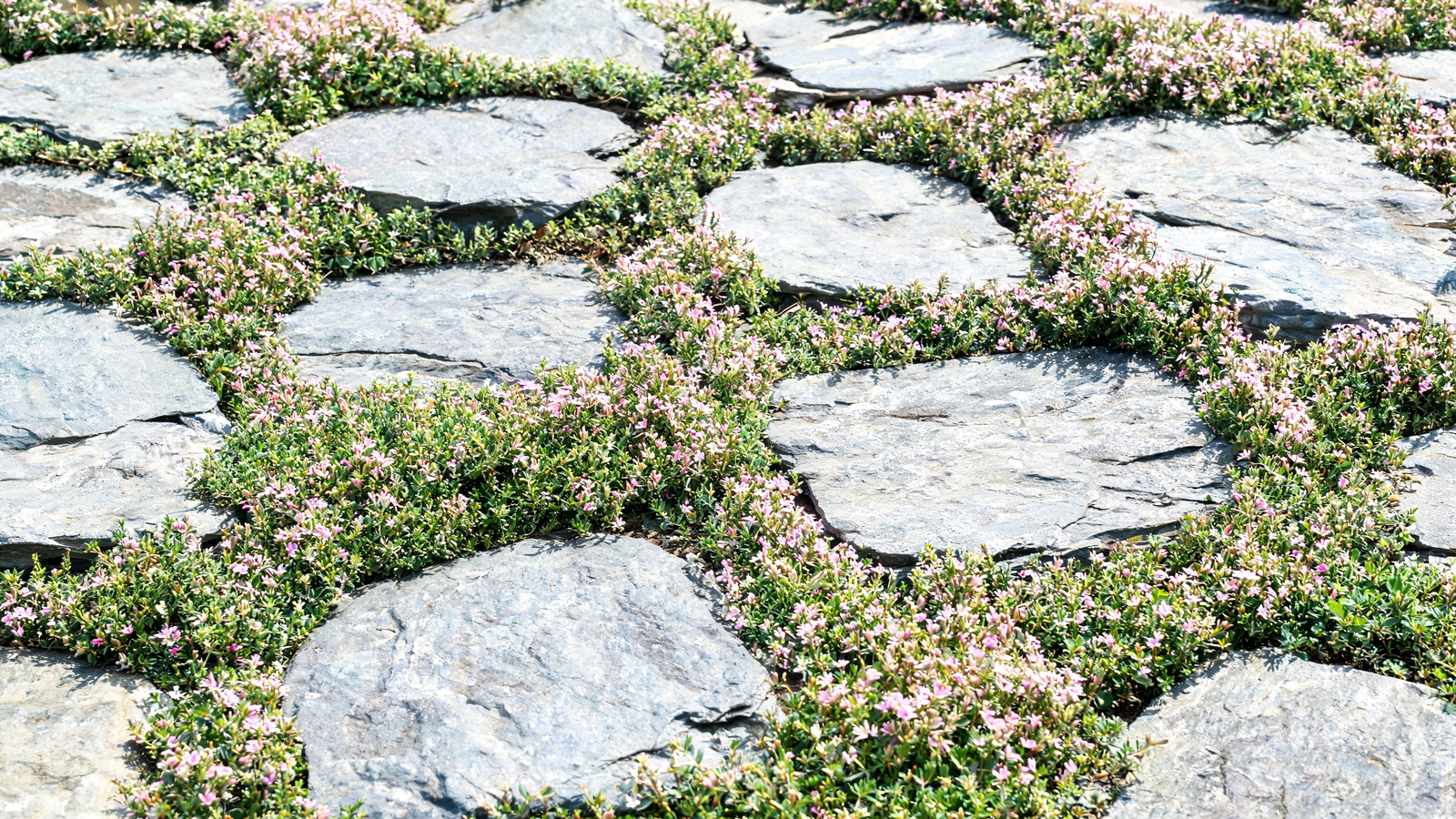
Imagine a lawn that smells like an herb garden every time you cross it. Creeping thyme hugs the ground at 2 to 4 inches, takes light foot traffic, and covers itself in pink blooms in midsummer. Plant plugs 8 to 12 inches apart now and water them through their first summer, then leave them alone. Full sun and sharp drainage are non-negotiable, this one rots in soggy clay.
- Hardiness Zone: 4-9
- Mature Height: 2-4 inches
- Growth Rate: Slow to moderate
Creeping Sedum
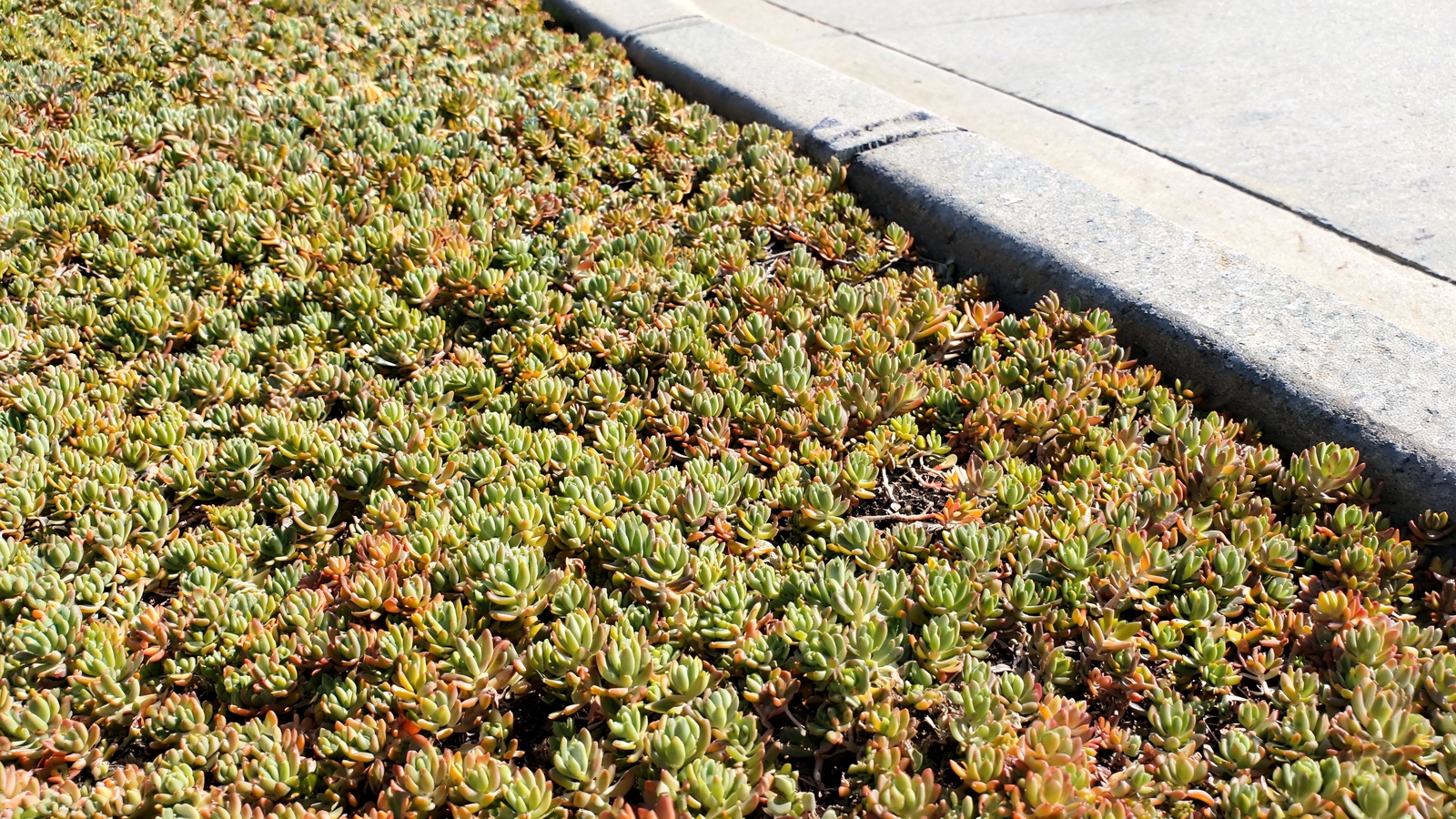
That strip between the sidewalk and the street where grass goes to die? Sedum owns it. The succulent leaves store their own water, so once it’s rooted, you can more or less forget it exists. Plant it now from pots or plugs. Give it a weekly drink for the first month, then stop. One honest limit: sedum won’t take foot traffic, so lay a few stepping stones where you actually walk.
- Hardiness Zone: 3-9
- Mature Height: 3-6 inches
- Growth Rate: Moderate, spreading
Dwarf Yarrow
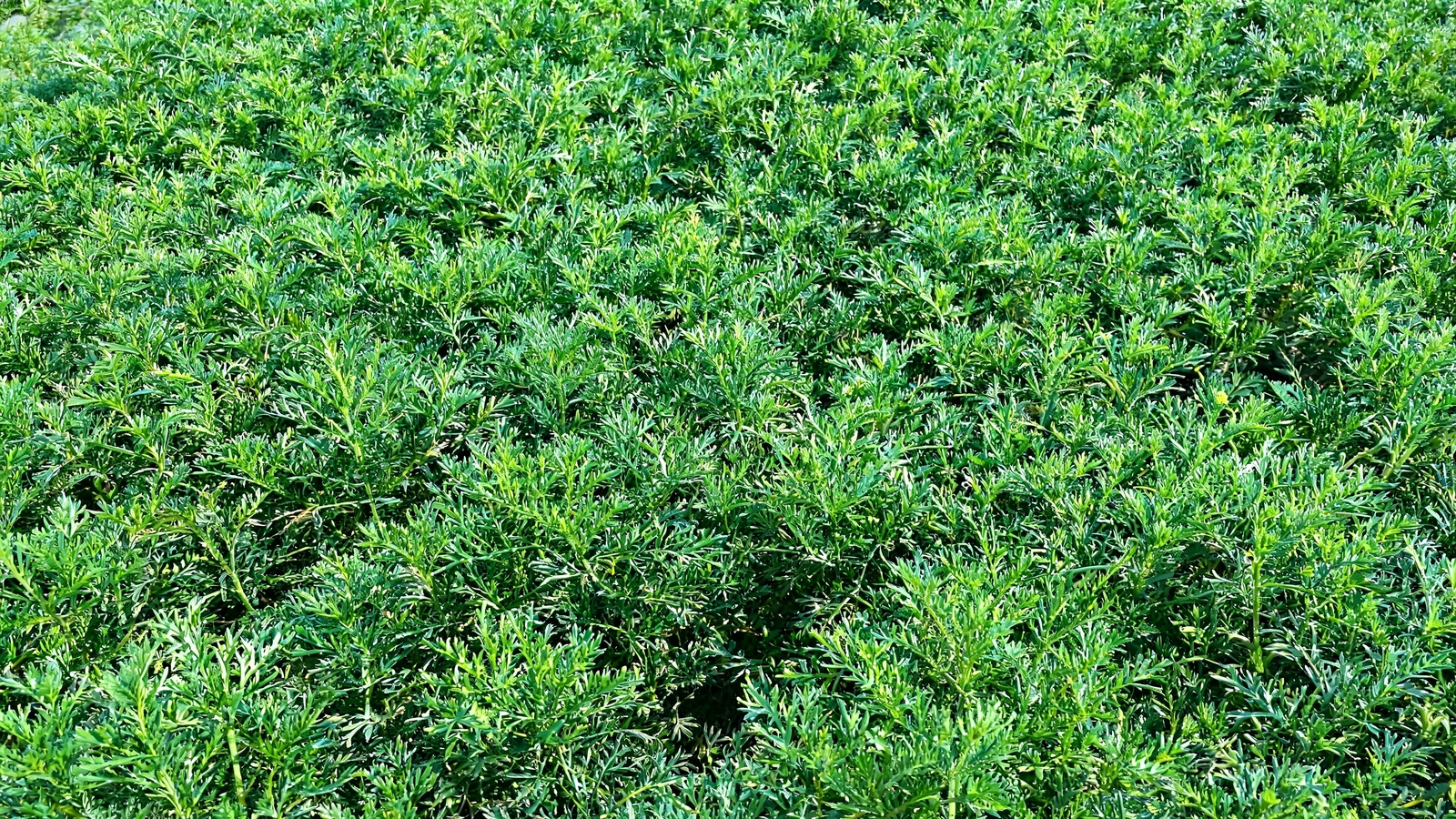
Yarrow isn’t just a border perennial. Mowed monthly, common yarrow settles into a ferny, deep-green mat 2 to 4 inches tall that stays green on rainfall most summers, because its roots go down where the moisture still is. Sow or plug it now and keep it watered while it establishes. It takes light foot traffic, and heat that kills bluegrass barely slows it down.
- Hardiness Zone: 3-9
- Mature Height: 2-4 inches mowed
- Growth Rate: Fast
Frogfruit
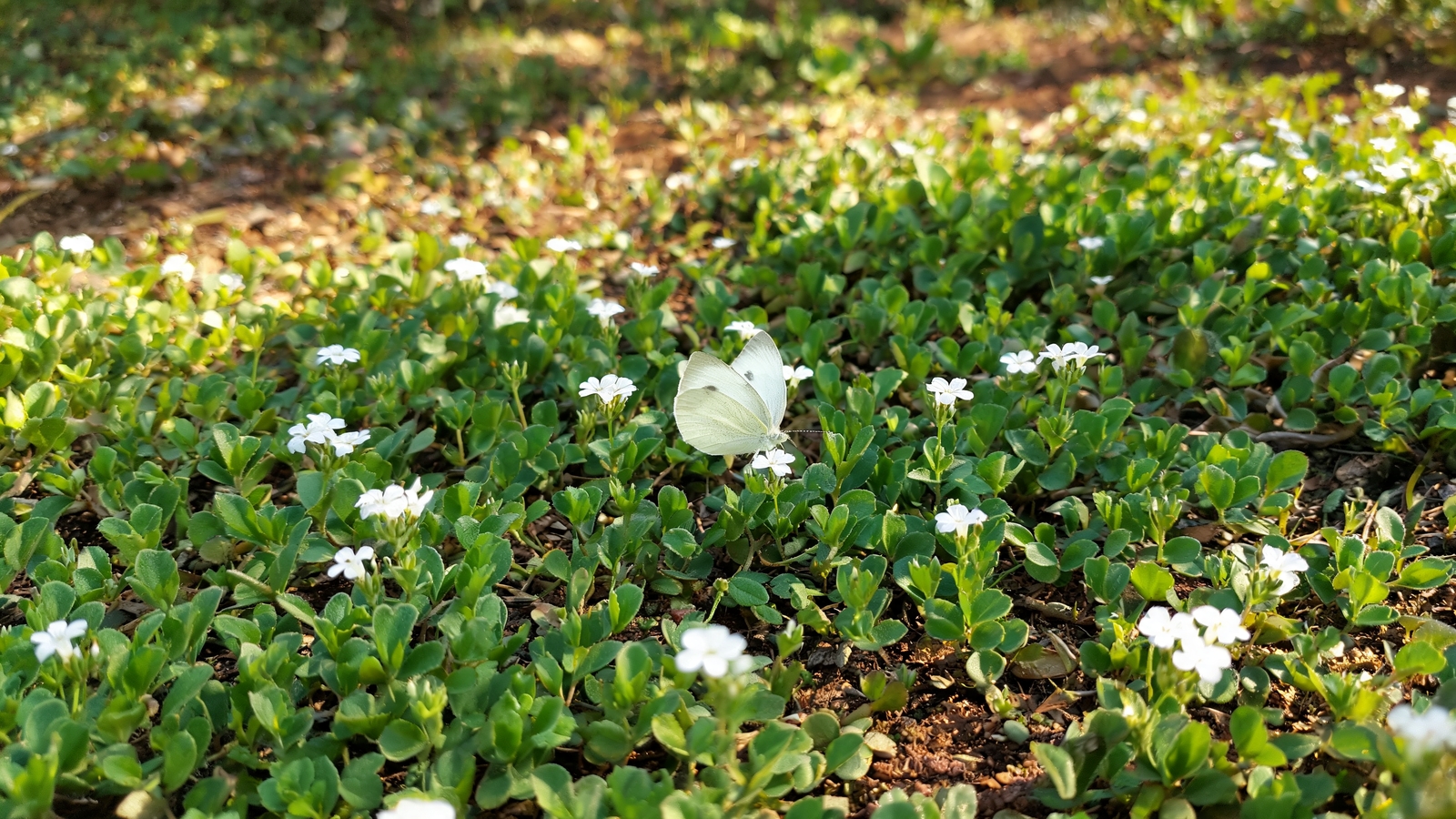
Meet frogfruit, the ground cover the South and Southwest swear by. This low native creeper hugs the ground at 2 to 3 inches, keeps its cool through triple-digit weeks, and dots itself with tiny white flowers that feed butterflies all summer. Set out plugs now, water for the first few weeks, then let it run. In the hottest yards, it simply outlasts everything else you’ve tried.
- Hardiness Zone: 7-11
- Mature Height: 2-3 inches
- Growth Rate: Fast, spreading
White Clover
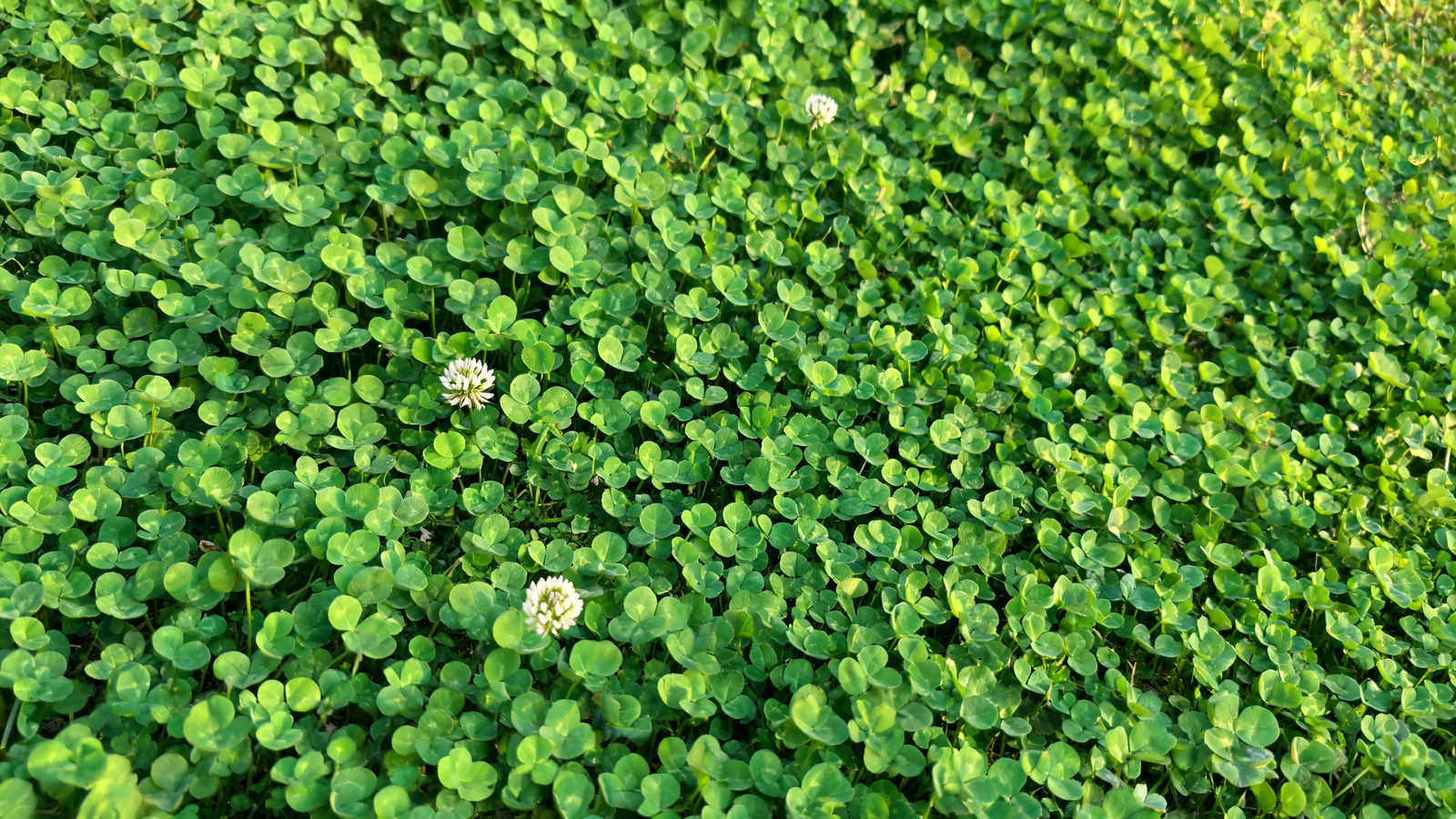
Overseed clover straight into your thinning lawn and let it take over the watering problem. Once established, it stays green through dry spells that turn fescue brown, and it makes its own nitrogen, so you’ll never feed it. Microclover versions stay a tidy 4 to 6 inches. Hold your seed until the heat breaks in late August, clover sprouts best in cooling soil. And if barefoot summers are your thing, mow off the bee-drawing blooms.
- Hardiness Zone: 3-10
- Mature Height: 4-8 inches (microclover 4-6 inches)
- Growth Rate: Fast
No-Mow Fine Fescue
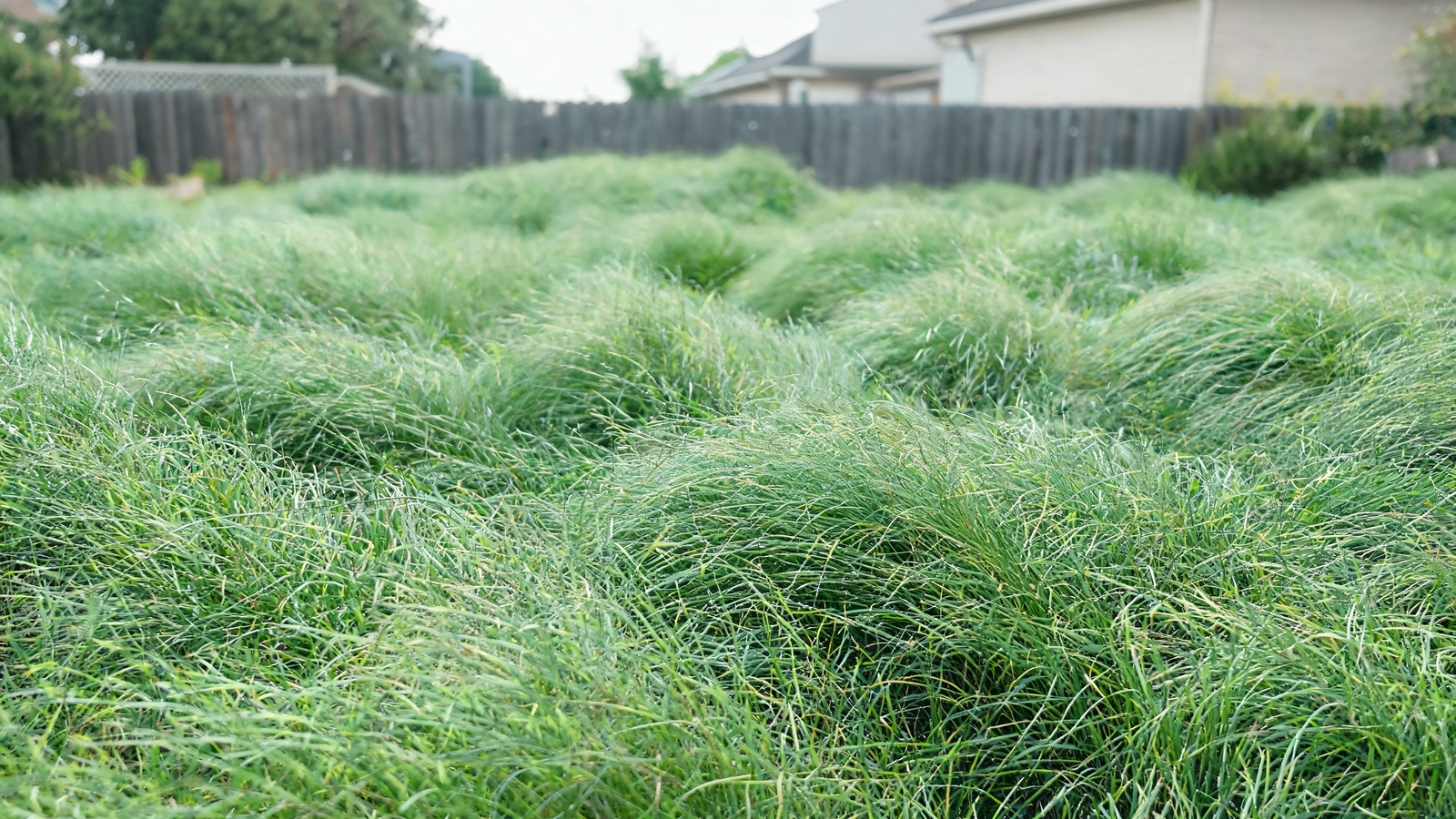
Cool-climate gardeners, this blend is your answer. No-mow fescue mixes send roots down deep, sip water, and flop into a soft green meadow of about 6 inches that you cut once or twice a year. But don’t sow it in this heat. Fine fescue is a cool-season grass, so buy seed now and spread it in September, when cooler nights and fall rain handle the watering for you.
- Hardiness Zone: 3-7
- Mature Height: About 6 inches unmowed
- Growth Rate: Moderate
