
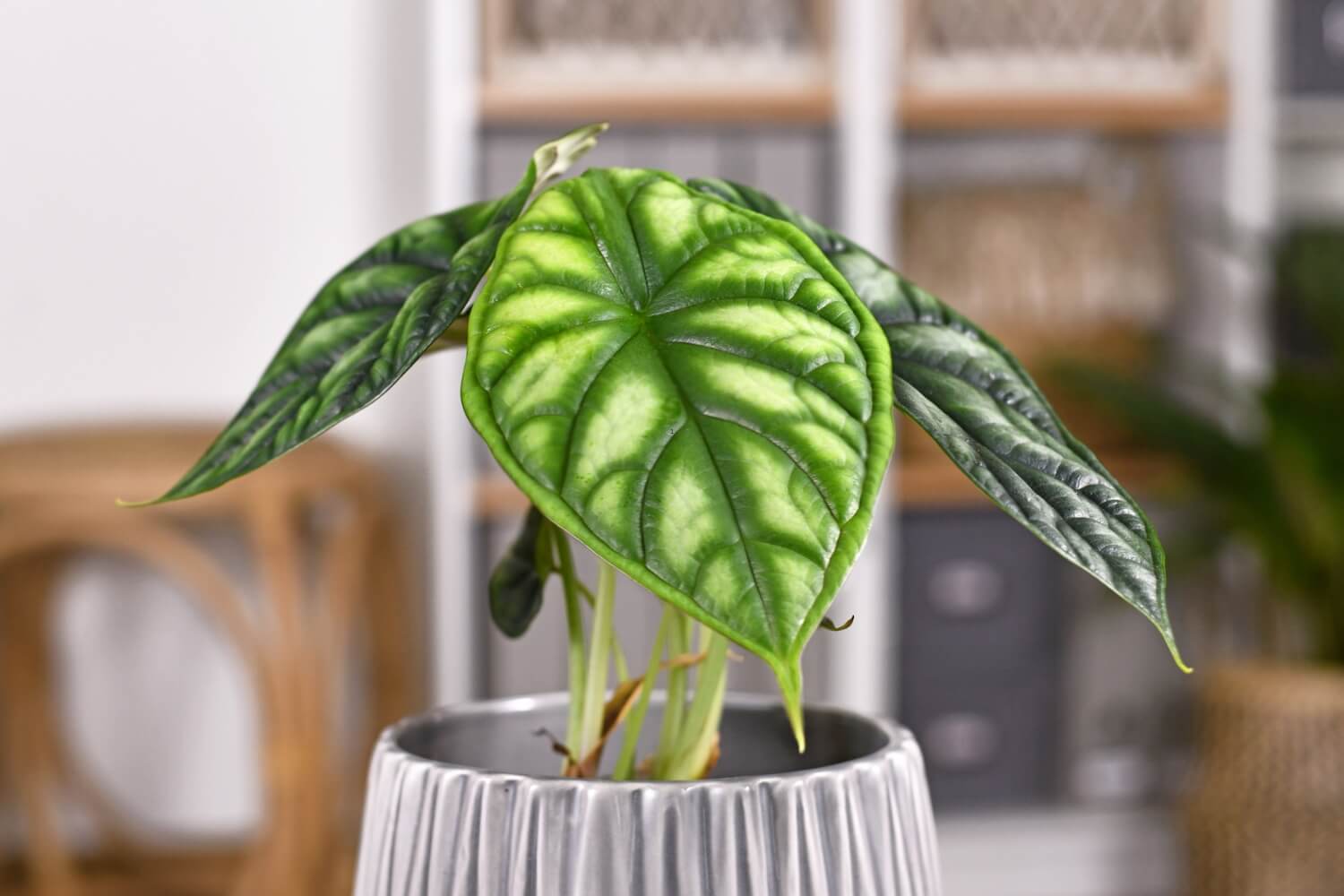
Native to the lush, tropical landscapes of Asia and Eastern Australia, Alocasias are known for their remarkable and bold foliage. Their exaggerated leaf size coupled with an intriguing variety of colors and patterns make them an irresistible choice for those wanting to create their own exotic indoor paradise. Moreover, with a modest list of care requirements, Alocasia plants can reward you with their flourishing greatness with just a bit of committed care.
About the Plant
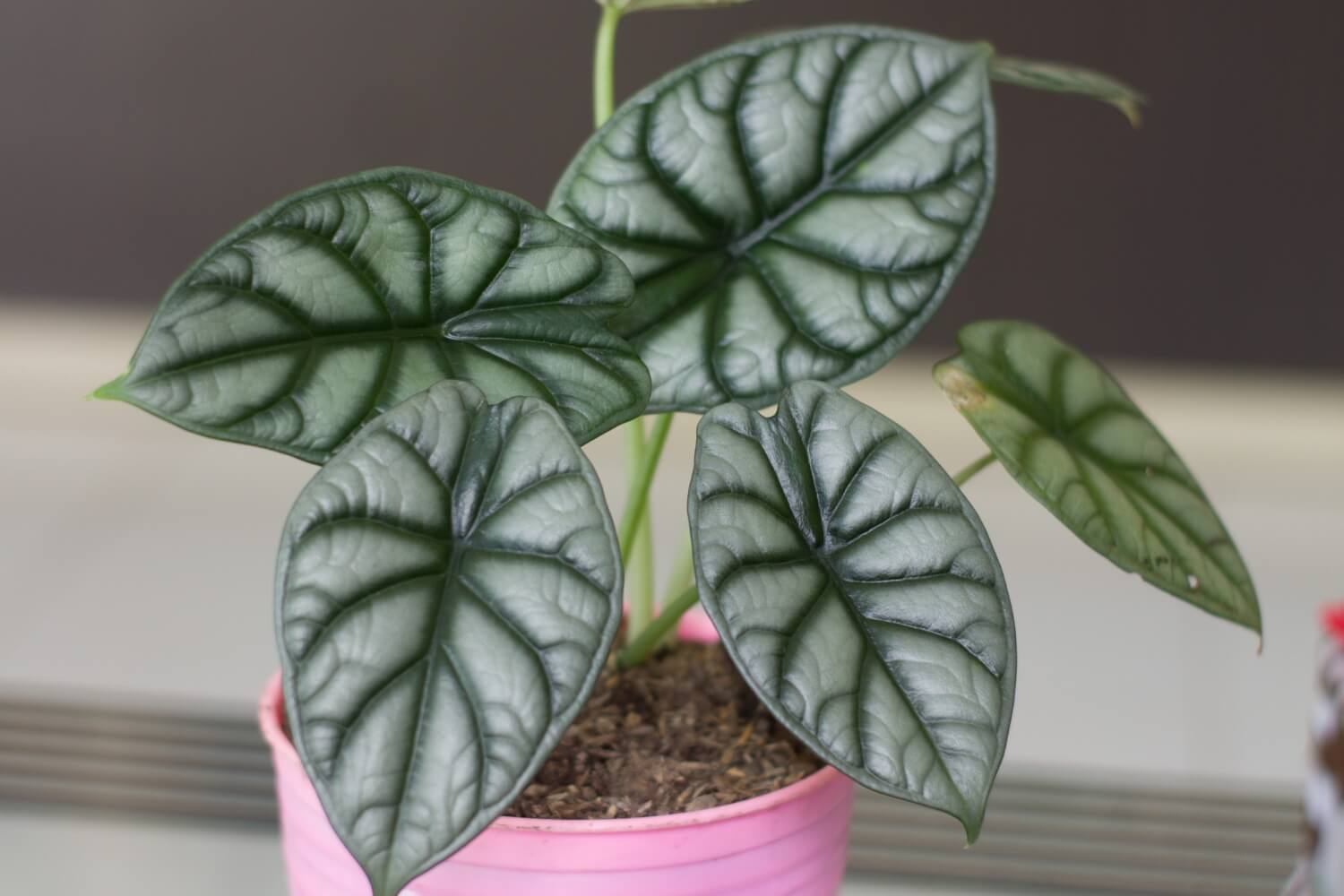
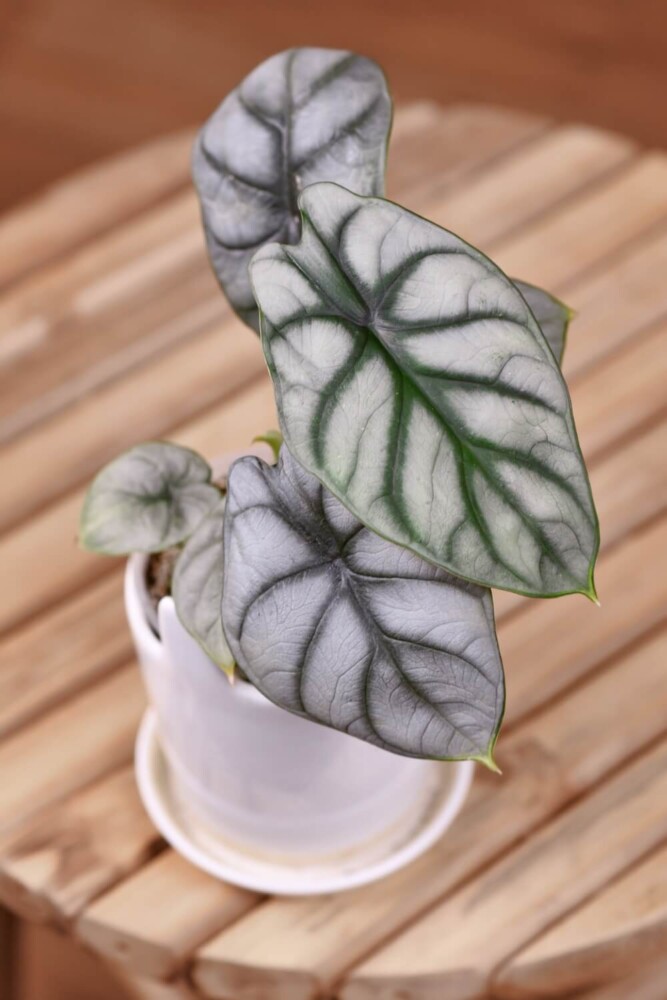
Boasting large, arrow-shaped leaves that can stretch up to 3 feet in length, Alocasias are a sight to behold. They beautifully display a variety of unique patterns and shades, ranging from a rich jungle green to vibrant hues of purple. You’ll find some leaves etched with silvery-white or subtle silver patterns making these plants real eye-catchers. As they mature, the leaf veins become prominently visible, adding an intrinsic texture that enhances their aesthetic appeal.
The Alocasia’s stems, another distinctive feature, are commonly thick and somewhat fleshy. The stems are water reservoirs for the plant, storing this precious life resource during dry periods. This built-in survival feature can make caring for them less demanding compared to other houseplants. In their native tropics, mature Alocasias can tower between 2 to 6 feet tall, exhibiting an impressive, nearly architectural posture. However, when they grace our living spaces as beloved houseplants, their growth is considerably more modest.
| Scientific Name | Alocasia spp. |
| Common Name | Elephant Ear, African Mask |
| Origin | Southeast Asia |
| Plant Family | Araceae |
| Plant Type | Herbaceous perennial |
| Growth Habit | Upright, clumping |
| Hardiness Zones | USDA Zones 9-11 |
| Soil Type & pH | Well-draining, slightly acidic to neutral (5.5-7.0) |
| Sunlight | Bright indirect light |
| Toxicity | Toxic to pets and humans if ingested |
| Mature Size | 2-6 feet tall, 2-4 feet wide (varies by species) |
| Bloom Time | Rarely flowers indoors |
Alocasia Varieties
There are many different Alocasia varieties, each with its own unique features. Let’s take a look at a few types and what makes them special:
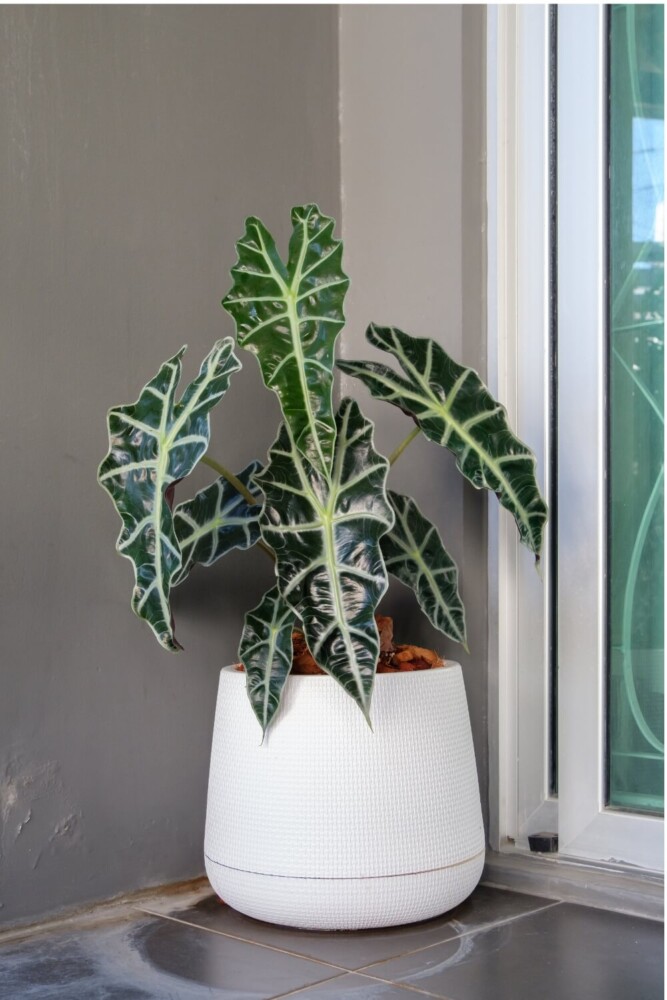
- Alocasia Amazonica – Also known as Amazonian Elephant Ear, this variety flaunts dark green leaves that are highlighted with contrasting, dramatic white veins.
- Alocasia Macrorrhiza – This is one of the larger Alocasia species, capable of growing up to a towering 15 feet in its natural habitat. As a houseplant, it commands ample space to show off its oversized leaves.
- Alocasia Zebrina – Named after its intriguing zebra-like patterned stems, this variety features delicately arrow-shaped leaves with beautifully wavy edges.
- Alocasia Reginula ‘Black Velvet’ – A relatively compact variety, ‘Black Velvet’ is noted for its velvety, nearly black leaves that seem to have a mysterious metallic sheen. Its unique colour can add an interesting touch to your indoor plant collection.
How to Care for an Alocasia
To care for your Alocasia, you first need to understand their natural habitat. These plants originate from tropical areas, so mimicking those conditions in your home is crucial to their survival. Now, let’s break down these care requirements in more detail.
Sunlight
Alocasias love bright but indirect sunlight, so positioning it near a north or east-facing window is optimal. They can tolerate some morning sun, but harsh afternoon rays might cause leaf scorching. If your Alocasia isn’t receiving enough light, you’ll notice its stems becoming elongated and weak – a process known as etiolation. In this case, consider moving your plant to a brighter location.
Temperature and Humidity
Given their tropical roots, Alocasias prefer warm temperatures between 60-85°F (15-29°C). They’re not fans of the cold, so keep them away from air vents and windows that get draughty. When it comes to humidity, higher is better, with levels between 50-60% being optimal. You can enhance the humidity around your plant by placing a tray of water nearby, grouping plants (they love company), or if needed, using a humidifier.
Water
Watering your Alocasia correctly is key to its health and vitality. Make sure to keep the soil consistently moist, but avoid waterlogging it. Areas of dryness can lead to brown leaves yet overwatering can be equally damaging, causing root rot. The best approach is to water your Alocasia whenever the top inch of soil feels dry to the touch. To ensure optimal drainage, select a pot with sufficient drainage holes and resist the temptation to let the plant sit in stagnant water. During winter months, when the plant enters its dormant phase, you’ll want to cut back your watering frequency.
Soil & Compost
Your Alocasia’s potting mix should be well-draining yet capable of retaining some moisture. A beneficial mix can be achieved by blending peat moss, perlite, and coconut coir. Your Alocasia will thrive in a slightly acidic soil environment, with a pH level between 5.5 and 6.5. To provide an extra nutrient boost, don’t hesitate to mix in some organic matter, like compost or worm castings.
Fertilizer
Throughout the growing season, from spring through to fall, shower your Alocasia with a balanced, water-soluble fertilizer on a monthly basis. Dilute the fertilizer to half-strength. It’s worth noting, however, that you should refrain from fertilizing during winter when the plant is dormant, as this can lead to unwanted salt buildup in the soil and potential root damage.
How to Propagate Alocasia
When it comes to propagating your Alocasia, one popular method is division. This technique essentially involves dividing the plant into multiple sections, each with its own roots and stems, and then potting each section as a new plant. Let’s break it down into simple steps for you to follow.
- Wait for the warm seasons, ideally spring or early summer, to propagate. This period marks the start of your Alocasia’s active growth phase.
- Carefully remove the plant from its pot. Notice the thick, knotty rhizomes. Gently separate them, ensuring each division has at least one leaf and a portion of the roots.
- Prepare a pot filled with fresh, well-draining potting mix for each division.
- Plant each division into its own pot and water thoroughly.
- Finally, place all pots containing the divisions in a warm, bright spot where they receive indirect light.
- To encourage new growth, keep the soil consistently moist but avoid waterlogging. Your patience will be paid off with fresh growth within a few weeks!
Repotting Alocasia
Alocasia plants enjoy being slightly root-bound, meaning they prefer to be a bit snug in their pots. Although they don’t require frequent repotting, when you see roots growing out of the drainage holes or the plant begins to outgrow its current pot, it’s time to move it to a new home.
Here’s the process:
- Pick a new pot that is one size larger than the current one. Remember to ensure it has proper drainage holes.
- Gently extricate your Alocasia from its old pot. If you see any tangled roots, take a moment to gently loosen them.
- Position the plant in the new pot, adding fresh potting mix around it.
- Once your Alocasia is nicely settled in its new pot, give it a thorough watering.
- Keep the newly potted plant in a warm spot that receives bright, indirect light.
- Resume your regular care routine after repotting.
Pruning Tips
Alocasias don’t require regular pruning. However, the occasional removal of dead, damaged, or yellowing leaves facilitates your plant’s health. Pruning redirects the plant’s resources to support fresh, healthy growth and prevents the spread of diseases.
Ensure you use clean, sharp scissors or pruning shears and work close to the plant’s base. If your skin is sensitive, don’t forget to wear gloves to protect yourself from the plant’s irritating sap.

Blooming Period
Alocasias are primarily cherished for their stunning foliage. However, they do bloom, and when they do, it’s a sight to behold. The blooms typically mimic the appearance of a peace lily – small and inconspicuous, appearing on a spadix encased by a spathe. The blooms usually pop up during the warm summer months.
Encourage blooming by ensuring your Alocasia receives top-notch care – bright, indirect light, consistent moisture, and regular fertilization during the growing season.
Common Pests and Diseases
Alocasias are generally healthy plants, but they can sometimes experience infestations by spider mites or mealybugs. If your plant comes under the scourge of these pests, introduce a strong jet of water to dislodge them, or wipe the leaves with a damp cloth. Keep an organic insecticidal soap or neem oil at hand for severe infestations.
Root rot can occur if there is overwatering or poor drainage, leading to yellow, wilting leaves. Regularly check the soil moisture levels and adjust watering if necessary to prevent it.
Common Problems with Alocasia
Even with optimum care conditions, Alocasia may face occasional predicaments. One common issue is yellowing leaves, which can be a sign of overwatering, underwatering, or nutrient deficiencies.
If the tips of the leaves turn brown, it could indicate low humidity or exposure to chilly drafts. Droopy leaves can signal watering and low light issues. In case you face these issues, adjust your Alocasia’s care conditions accordingly, and you’ll see it spring back soon!
FAQ
Yes, Alocasias make excellent indoor plants thanks to their stunning foliage. They are perfect for adding a touch of the tropics to your indoor space, particularly when placed in high humidity areas like bathrooms or kitchens.
Alocasias can appear a bit challenging to care for, especially for beginners. They require specific conditions, such as high humidity and consistent moisture – the lack of which can lead to problems. However, with some practice and the right information, they can thrive under your care!
Alocasia itself isn’t poisonous to touch, but its sap can be irritating to the skin, especially if you’re allergic. Therefore, it’s advisable to wear gloves when handling or pruning the plant.
If you’re in USDA plant hardiness zones 10-12, where the temperature doesn’t drop below 60°F (15°C), you can indeed keep your Alocasia outdoors all year round. In cooler climates, you can shift the plant outside during the warm summer months and bring it in when fall arrives and the temperatures start declining.
