
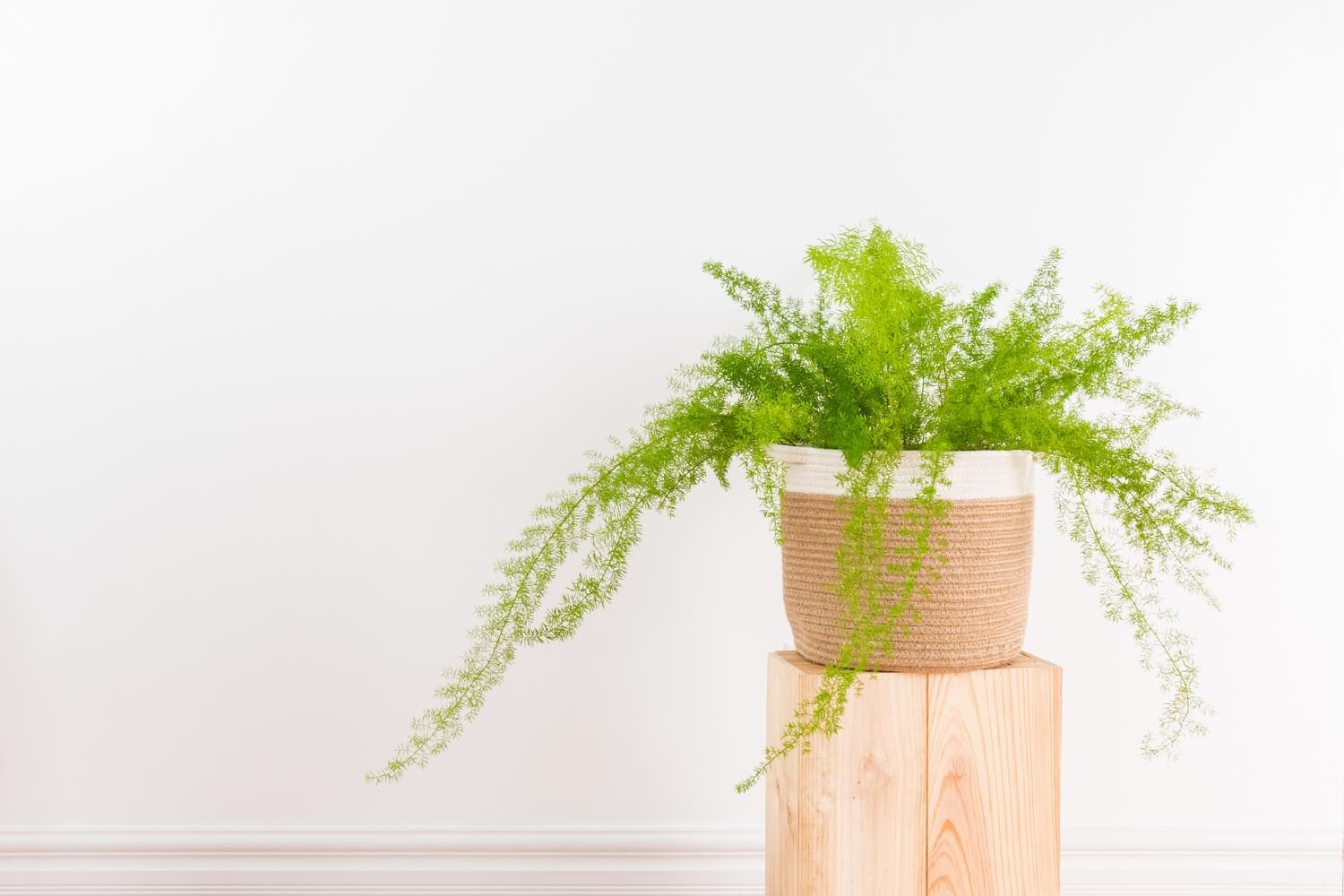
Foxtail fern (Asparagus densiflorus), with its delicate, feathery foliage and graceful arching stems, brings a touch of whimsy and elegance to any indoor space. Despite its name, this plant isn’t a true fern but belongs to the lily family. Its lacy, needle-like leaves create a soft, cloud-like appearance that can add a refreshing burst of green to your home or office.
Native to South Africa, the foxtail fern has become a popular houseplant due to its adaptability and relatively low maintenance requirements. Its cascading growth habit makes it an excellent choice for hanging baskets or as a trailing plant on shelves and bookcases. When grown outdoors in suitable climates, it can serve as an attractive groundcover or border plant.
The foxtail fern’s foliage consists of tiny, needle-like leaves called cladodes, which grow in clusters along the stems. These leaves are actually modified branches that perform photosynthesis. The plant’s true leaves are small, scale-like structures found at the base of the cladodes. As the plant matures, it may produce small white flowers followed by bright red berries, adding to its ornamental appeal.
| SCIENTIFIC NAME | Asparagus densiflorus |
| COMMON NAME | Common asparagus fern or Foxtail fern |
| PLANT FAMILY | Asparagaceae |
| PLANT TYPE | Perennial |
| GROWTH HABIT | Mounding, trailing |
| HARDINESS ZONES | USDA 9-11 |
| SOIL TYPE & PH | Well-draining, slightly acidic to neutral |
| SUNLIGHT | Bright indirect light to partial shade |
| TOXICITY | Mildly toxic to humans and pets |
| MATURE SIZE | 2-3 feet tall, 3-4 feet wide |
| BLOOM TIME | Summer |
Caring for Foxtail Fern

Light Conditions
Foxtail fern thrives in bright, indirect light. They can tolerate some direct morning sun, but harsh afternoon sunlight can scorch their delicate foliage. In their natural habitat, these plants grow under the dappled shade of larger trees, so replicating these conditions indoors will help your foxtail fern flourish.
Place your plant near an east-facing window for optimal light exposure. If you only have access to south or west-facing windows, use sheer curtains to filter the intense light. In low-light conditions, the plant may become leggy and lose its vibrant green color. Conversely, too much direct sunlight can cause the fronds to yellow and dry out.
Temperature & Humidity
Foxtail fern prefers temperatures between 60-75°F (15-24°C). They can tolerate slightly cooler temperatures but should be protected from cold drafts and sudden temperature fluctuations. Avoid placing them near air conditioning vents or heating sources.
These plants appreciate moderate to high humidity levels. In their native environment, they’re accustomed to humid conditions, so replicating this indoors will keep your foxtail fern happy. Aim for humidity levels around 50-60%. You can increase humidity by placing a humidifier nearby, grouping plants together, or setting up a pebble tray filled with water beneath the plant’s pot.
Watering Needs
Foxtail ferns like consistently moist soil but are susceptible to root rot if overwatered. Water your plant when the top inch of soil feels dry to the touch. During the growing season (spring and summer), this might mean watering once or twice a week, depending on the temperature and humidity in your home.
When watering, thoroughly saturate the soil until water drains from the bottom of the pot. Empty the saucer to prevent the plant from sitting in standing water. In winter, reduce watering frequency as the plant’s growth slows down. Always use room temperature water to avoid shocking the plant’s roots.
Soil & Compost
A well-draining potting mix is crucial for foxtail fern. Use a blend of peat moss, perlite, and regular potting soil to create an ideal growing medium. This combination provides good aeration and drainage while retaining enough moisture for the plant’s needs.
The soil pH should be slightly acidic to neutral, ranging from 6.0 to 7.0. If you’re unsure about your soil’s pH, you can use a soil testing kit or add a small amount of agricultural lime to increase alkalinity or sulfur to increase acidity as needed.
Fertilizer
Feed your foxtail fern monthly during the growing season (spring through fall) with a balanced, water-soluble fertilizer diluted to half strength. A 10-10-10 or 20-20-20 formula works well for these plants. Apply the fertilizer after watering to prevent root burn.
In winter, reduce fertilization to once every two months or stop altogether, as the plant’s growth slows down during this period. Over-fertilizing can lead to salt buildup in the soil, which can damage the plant’s roots, so it’s better to err on the side of under-fertilizing rather than over-fertilizing.
How to Propagate Foxtail Fern
Foxtail fern can be propagated through division or by planting the seeds from their berries. Division is the quickest and most reliable method out there.
To propagate by division:
- Remove the plant from its pot and gently shake off excess soil.
- Look for natural divisions in the root ball or use a clean, sharp knife to separate the plant into smaller sections. Each section should have several healthy stems and a portion of the root system.
- Replant each division in a pot filled with fresh potting mix.
- Water thoroughly and place in a warm, humid location with bright, indirect light.
- Keep the soil consistently moist but not waterlogged as the new plants establish themselves.
Potting & Repotting Foxtail Fern
Foxtail fern prefers to be slightly root-bound, so they don’t require frequent repotting. Repot your plant every 2-3 years or when you notice roots growing through the drainage holes. Choose a pot that’s 1-2 inches larger in diameter than the current one.
When repotting, gently remove the plant from its current container and loosen any tightly bound roots. Place it in the new pot with fresh potting mix, ensuring the plant sits at the same depth as it was in the previous pot. Water thoroughly after repotting and place the plant in a shaded area for a few days to help it recover from the stress of transplanting.
Overwintering
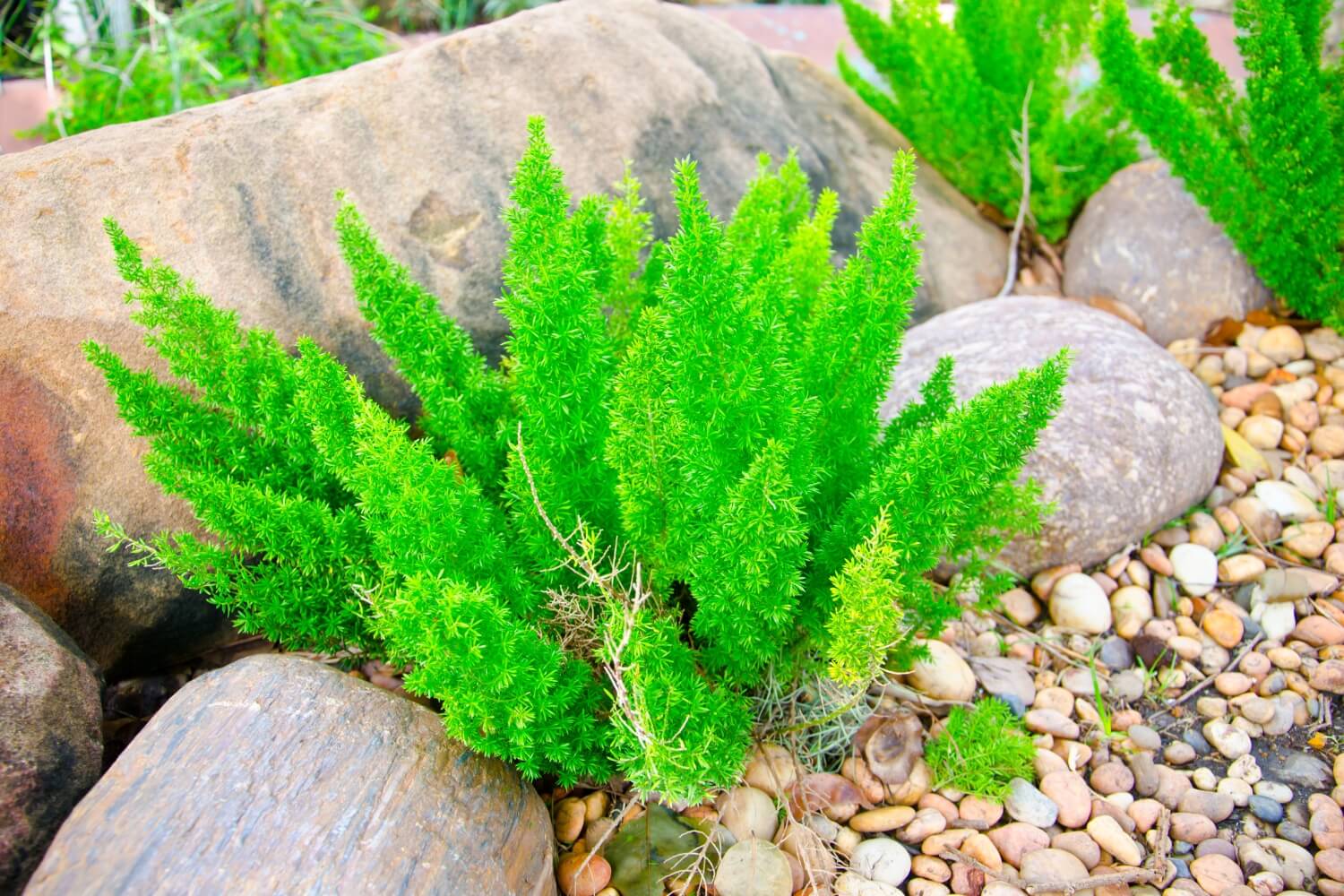
In USDA zones 9-11, foxtail fern can be grown outdoors year-round. In colder regions, they should be brought indoors before the first frost. When overwintering indoors, place the plant in a bright location away from cold drafts and heating vents. Reduce watering and stop fertilizing during this period.
If you’re growing foxtail fern as an annual in colder climates, you can either treat it as a houseplant during winter or allow it to die back and replant in spring. Some gardeners choose to dig up the tuberous roots before the first frost, store them in a cool, dry place over winter, and replant them in spring.
How to Prune Foxtail Fern
Regular pruning helps maintain the shape of your foxtail fern and encourages bushier growth. Prune your plant in spring or early summer, just as new growth begins to emerge. Use clean, sharp scissors or pruning shears to avoid damaging the plant.
Remove any dead, yellowing, or damaged fronds at their base. If the plant has become too large or leggy, you can cut back up to one-third of the oldest stems to rejuvenate the plant. This will stimulate new growth and help maintain a fuller appearance.
Be cautious when pruning, as some varieties of foxtail fern have small thorns along their stems. Wear gloves to protect your hands during the pruning process.
Common Problems With Foxtail Fern
Pests and Diseases
Foxtail ferns are generally hardy plants, but they can face a few challenges. Common pests include spider mites, mealybugs, and scale insects. These pests often appear when the plant is stressed due to improper care or environmental conditions. To combat these issues, regularly inspect your plant and treat any infestations promptly with insecticidal soap or neem oil.
Fungal diseases can also affect foxtail fern, particularly if the plant is overwatered or kept in overly humid conditions without adequate air circulation. Root rot is a common problem caused by waterlogged soil. To prevent this, ensure your plant has well-draining soil and avoid overwatering.
Other Problems
Yellowing fronds are often a sign of overwatering, underwatering, or insufficient light. If you notice yellow fronds, assess your plant’s care routine and adjust accordingly. Brown, crispy fronds typically indicate low humidity or exposure to direct sunlight. Increase humidity around the plant and move it to a location with bright, indirect light.
Leaf drop can occur if the plant experiences sudden changes in temperature or light conditions. Maintain a consistent environment for your foxtail fern to prevent stress-induced leaf drop.
FAQ
Foxtail fern can be grown both indoors and outdoors, depending on your climate. In USDA zones 9-11, it can be grown outdoors year-round. In colder regions, it’s commonly grown as a houseplant or brought indoors during winter months.
While foxtail fern is not harmful to touch, some varieties have small thorns along their stems that can cause minor skin irritation. It’s advisable to wear gloves when handling or pruning these plants to avoid any discomfort.
Foxtail fern is not typically listed among the most effective air-purifying plants. However, like most plants, they do contribute to improving indoor air quality by absorbing carbon dioxide and releasing oxygen through photosynthesis.
Despite its name, foxtail fern is not related to edible asparagus and is not considered edible. In fact, the berries produced by the plant are mildly toxic if ingested, potentially causing gastrointestinal discomfort. It’s best to keep this plant out of reach of children and pets.
