
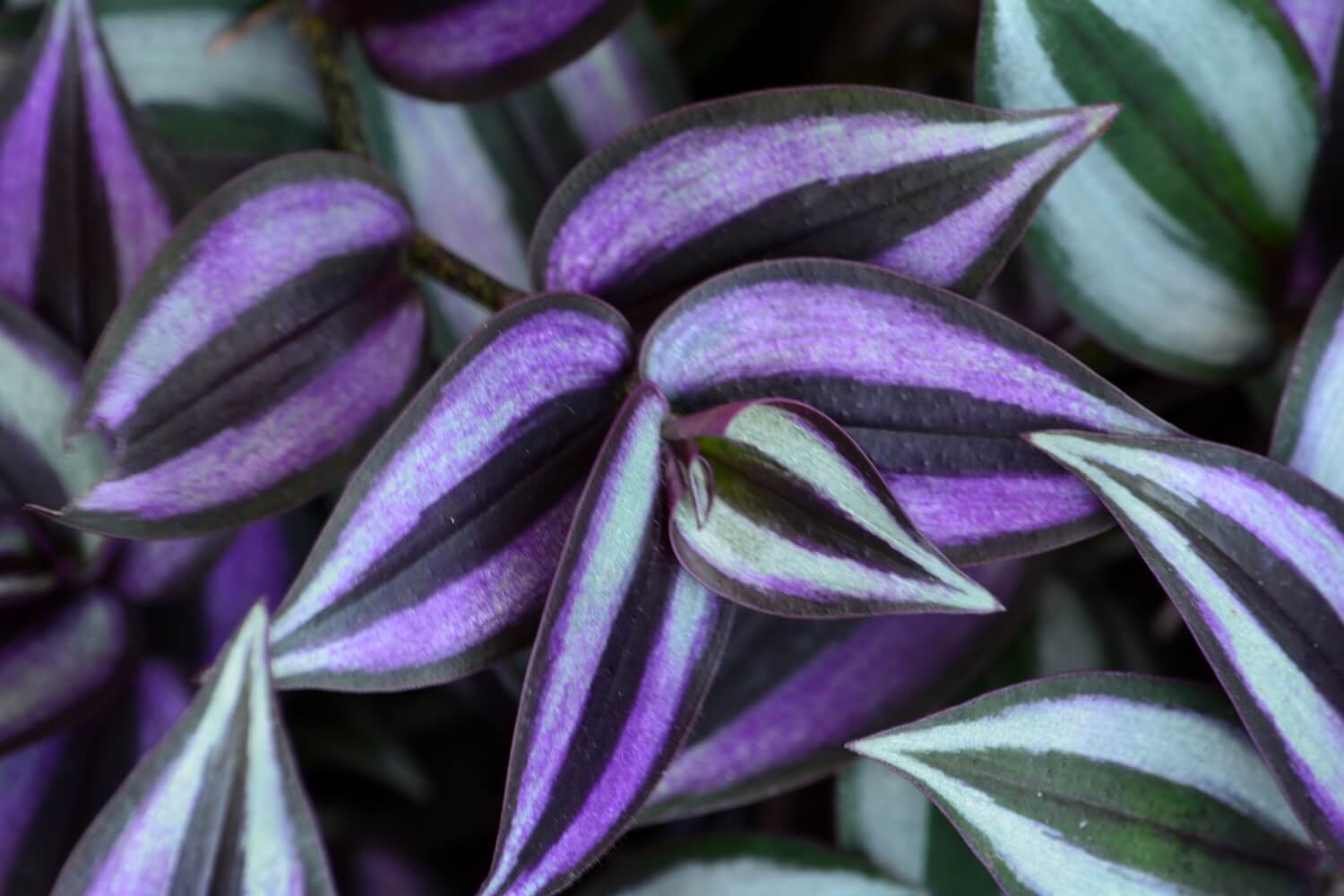
Spiderwort, also known as Tradescantia, is a delightful and easy-to-grow plant that adds a splash of color to any garden or indoor space. With its vibrant, three-petaled flowers and lush, green foliage, spiderwort is a favorite among houseplant parents. Native to the Americas, these charming plants have adapted to various climates and can thrive in a range of growing conditions.
About Spiderwort
Spiderwort plants are herbaceous perennials that belong to the Commelinaceae family. They are characterized by their slender, grass-like leaves that grow in clumps, and their showy flowers that bloom in shades of blue, purple, pink, and white. The flowers are short-lived, lasting only a day, but the plant produces numerous blooms throughout the growing season, ensuring a continuous display of color.
| Scientific Name | Tradescantia spp. |
| Common Name | Spiderwort, Wandering Jew |
| Origin | North and South America |
| Plant Family | Commelinaceae |
| Plant Type | Herbaceous perennial |
| Growth Habit | Trailing, cascading |
| Hardiness Zones | USDA Zones 8-11 (varies by species) |
| Soil Type & pH | Well-draining, slightly acidic to neutral (6.0-7.0) |
| Sunlight | Bright indirect light to partial shade |
| Toxicity | Non-toxic |
| Mature Size | 6-12 inches tall, 1-2 feet wide |
| Bloom Time | Spring to summer |
Interestingly,
- The name “spiderwort” comes from the thin, spider web-like filaments that surround the stamens of the flowers.
- Some species of spiderwort, such as Tradescantia virginiana, have been used as bioindicators to detect environmental mutagens and air pollution.
- Spiderwort plants have a unique ability to regenerate from small stem cuttings, making them incredibly easy to propagate.

How to Care for Spiderwort
Sunlight
Spiderwort plants thrive in bright, indirect light or partial shade. They can tolerate some direct sunlight, especially in cooler climates, but too much intense sun can scorch their delicate leaves. When grown indoors, place your spiderwort near an east- or west-facing window, where it can receive a few hours of gentle morning or afternoon sun.
Temperature & Humidity
Spiderwort plants prefer average room temperatures between 60°F and 80°F (15°C to 27°C). They are not particularly fussy about humidity levels but can benefit from occasional misting to keep their leaves looking fresh and vibrant. Avoid exposing your spiderwort to cold drafts or extreme temperature fluctuations, as this can stress the plant.
Water
Spiderwort plants appreciate consistently moist soil, but they don’t like to sit in waterlogged conditions. Water your spiderwort when the top inch of soil feels dry to the touch, and be sure to provide adequate drainage to prevent root rot. During the active growing season (spring through fall), you may need to water your spiderwort once or twice a week, depending on the ambient temperature and humidity levels.
Soil & Compost
Spiderwort plants grow best in well-draining, nutrient-rich soil. A mixture of equal parts potting soil, perlite, and compost or aged manure provides an ideal growing medium. The added organic matter helps retain moisture while improving soil structure and fertility. If planting spiderwort in the garden, amend the native soil with compost to create a more hospitable environment for your plants.
Types of Spiderwort
There are numerous species and cultivars of spiderwort, each with its own unique characteristics. Some popular varieties include:
- Virginia Spiderwort (Tradescantia virginiana) – Native to the eastern United States, this species features blue to purple flowers and grows up to 3 feet tall.
- Ohio Spiderwort (Tradescantia ohiensis) – Similar to Virginia spiderwort, but with slightly smaller flowers and a more compact growth habit.
- Small-leaf Spiderwort (Tradescantia fluminensis) – A trailing species with small, white to pale pink flowers and lance-shaped leaves. Often grown as a houseplant.
- Inch Plant (Tradescantia zebrina) – A popular houseplant with striking, purple-and-silver striped leaves and small, pink flowers.
- Purple Heart (Tradescantia pallida) – A cultivar with vibrant, purple foliage and pink flowers. Can be grown outdoors in warm climates or as a houseplant.

How to Prune Spiderwort
Spiderwort plants benefit from regular pruning to maintain a neat appearance and promote fuller growth. You’ll want to prune your spiderworts throughout the growing season by removing dead or yellowing leaves as you notice them.
Pinch young plants to make them grow bushier. After the flowers fade, cut the entire plant back by about half to encourage another round of blooms.
Finally, in late fall or early winter, prepare your spiderwort for dormancy by cutting it back to about two inches above ground level. Always use sharp, clean scissors or shears for pruning, and dispose of the plant material afterward to keep your garden healthy.
How to Propagate Spiderwort
There are two primary methods for propagating spiderwort: division and stem cuttings.
Division
- In spring or early summer, carefully dig up a mature spiderwort plant.
- Gently separate the root ball into smaller clumps, each with a portion of roots and foliage.
- Replant the divisions in prepared soil, ensuring the crown is at the same level as it was previously.
- Water the divisions well and keep the soil moist until they establish themselves.
Stem Cuttings
- Using clean, sharp scissors, take a 4-6 inch cutting from a healthy spiderwort stem, just below a leaf node.
- Remove the lower leaves, leaving only the top two or three.
- Optional: Dip the cut end in rooting hormone to encourage faster root development.
- Plant the cutting in a pot filled with moist, well-draining potting mix.
- Place the pot in a warm, bright location out of direct sunlight and keep the soil moist.
- After 4-6 weeks, gently tug on the cutting to check for root growth. Once rooted, gradually acclimate the new plant to normal growing conditions.
Potting and Repotting Spiderwort
When potting or repotting your spiderwort, choose a container with drainage holes to prevent water from accumulating. Gently remove the plant from its current pot, loosen the roots, and place it in the new container filled with fresh potting mix. Water thoroughly and place the plant in a bright, indirect light location. Repot your spiderwort every 1–2 years, or when it outgrows its current container.
Blooming Period
Spiderwort plants typically bloom from spring to summer, with some varieties flowering into early fall. Each flower lasts only a day, but the plant produces numerous buds, ensuring a continuous display of color. To encourage more blooms, deadhead spent flowers regularly and provide the plant with adequate light, water, and nutrients.
The flowers of spiderwort are not only beautiful but also fascinating. They open in the morning and close by early afternoon, earning them the nickname “dayflower.” The blooms come in a range of colors, from deep blue to purple, pink, and white, often with contrasting yellow stamens. Some varieties even have bi-colored or striped petals, adding to their charm.
Overwintering
Most spiderwort species are hardy perennials that can withstand cold winter temperatures. In USDA zones 4-9, they can be left in the ground year-round, as they will naturally die back to the ground in fall and re-emerge in spring.
To prepare your outdoor spiderworts for winter, cut back the foliage to about 2 inches above the ground after the first frost. Apply a layer of mulch around the base of the plants to insulate the roots and protect them from extreme cold.
Indoor spiderworts should be kept in a cool, bright location during the winter months, with reduced watering and no fertilization. They may enter a semi-dormant state, but will resume active growth in spring when temperatures warm up and daylight hours increase.
Common Problems with Spiderwort
Pests and Diseases
Spiderwort plants are tough, but they can still attract pests like aphids, spider mites, snails, and slugs. Aphids suck plant sap, causing growth issues and sticky residue. Blast them off with water or use insecticidal soap. Spider mites thrive in dry weather, leaving yellow stippling and webbing on leaves. Increase humidity and use water spray or neem oil to fight them. Snails and slugs chew on foliage, especially in damp areas. Handpick them or use beer traps as a deterrent.
Fungal diseases are rare, but humid conditions can cause leaf spots or powdery mildew. Improve air circulation, avoid watering the leaves directly, and remove any infected areas quickly.
Leggy Growth
If your spiderwort becomes tall and floppy, it may not be getting enough sunlight. Move it to a brighter spot or prune it back to encourage more compact growth.
Yellowing Leaves
Yellowing foliage can indicate overwatering, poor drainage, or a nutrient deficiency. Check the soil moisture, ensure the pot has drainage holes, and fertilize regularly to keep your spiderwort healthy.
Lack of Flowers
If your spiderwort isn’t blooming well, it may be getting too much shade or nitrogen-rich fertilizer. Move it to a sunnier location and switch to a phosphorus-rich fertilizer to promote flowering.
FAQ
Spiderwort thrives in full sun to partial shade and moist, well-drained soil. It’s adaptable to a range of conditions but prefers slightly acidic soil and consistent moisture.
While typically grown outdoors, spiderwort can be kept as a houseplant in a bright, sunny window. Provide well-draining potting mix and water when the top inch of soil feels dry.
Spiderwort has an upright, clumping growth habit and doesn’t naturally trail or cascade. However, you can grow it in a hanging basket and allow the foliage to spill over the sides for a lush, cascading effect.
Spiderwort pairs well with other native perennials like coneflowers, black-eyed Susans, and butterfly weed. Its grass-like foliage also complements ornamental grasses and sedges in a mixed border.
